Concrete Repair vs. Replacement in Palm Beach
If you are unsure whether existing concrete should be repaired, resurfaced, partially replaced, or fully replaced, a project-specific review can help narrow the options.
Provide the surface type, approximate affected area, visible damage, drainage concerns, previous repair history, and any changes you want to make to the layout or finish.
Should Damaged Concrete Be Repaired, Resurfaced or Replaced?
Cracked, worn, settled, stained, or deteriorating concrete does not automatically need to be removed and replaced. Some surfaces remain suitable for localized repair or resurfacing, while others have movement, drainage problems, widespread deterioration, or underlying conditions that make replacement the more practical direction.
The decision depends on more than how the concrete looks. The extent and location of damage, whether sections are moving or settling, the condition of the surrounding slab, drainage, base support, previous repairs, intended use, finish expectations, and whether the existing layout still works for the property can all influence the scope.When existing concrete is cracked, settled, worn, uneven, or deteriorating, the next step is not always obvious. Some surfaces remain suitable for localized repair or resurfacing, while others have broader movement, drainage, base-support, or deterioration issues that make partial or full replacement more practical.
The decision should consider more than the visible damage. The affected area, crack pattern, settlement, drainage, condition of the surrounding concrete, previous repairs, intended use, existing layout, and future plans for the property can all influence whether preserving or replacing the surface makes sense.
Palm Beach Concrete helps route concrete repair and replacement requests to independent local concrete contractors or service providers who may review the affected surface, visible deterioration, drainage, movement, property conditions, and project goals before discussing available options and next steps.
Palm Beach Concrete helps route repair and replacement requests to independent local concrete contractors or service providers who may review the affected surface, visible deterioration, movement, drainage, existing layout, project goals, and property conditions before discussing available options and next steps.
Request an Estimate
Have photos, drawings, or project notes? You can attach them through the form or send additional details to
We will get back to you as soon as possible.
Please try again later.
- Patios and poolside areas
- Walkways and garden paths
- Driveways and parking areas
- Courtyards and entry features
- Outdoor-living and landscape-design projects
What Is Concrete Repair?
Concrete repair focuses on restoring or correcting damaged areas while preserving concrete that remains suitable for continued use. Depending on the condition of the surface, the scope can range from localized treatment to broader resurfacing or selective replacement of individual sections.
Repair may be considered for:
- Localized cracking
- Chips and edge deterioration
- Joint deterioration
- Surface wear or minor spalling
- Staining or cosmetic deterioration
- Limited uneven or damaged areas
- Concrete that remains suitable for resurfacing
- Isolated sections that can be addressed without rebuilding the entire surface
Resurfacing falls within the broader restoration decision when the underlying concrete remains suitable but the visible surface needs a more extensive update.
The important question is whether the remaining concrete is stable enough to justify preserving it and whether the contributing cause of the damage can be addressed.
What Is Concrete Replacement?
Concrete replacement involves removing and rebuilding part or all of an existing surface when preserving the current concrete is no longer the practical direction.
Replacement may involve a single failed section, several sections, or the entire driveway, patio, walkway, slab, or other concrete area.
It is commonly considered when the project involves:
- Widespread cracking or deterioration
- Significant settlement or movement
- Multiple failed sections
- Recurring damage after earlier repairs
- Broader drainage or grade problems
- Base or support conditions requiring correction
- Concrete no longer suitable for resurfacing
- Major changes to the size, route, grade, or layout
- New parking, access, outdoor-living, or functional requirements
Replacement also creates an opportunity to reconsider preparation, drainage, elevations, joints, thickness, reinforcement where appropriate, and finish selection instead of working within the limitations of the existing surface.
Side-by-Side Comparison
| Feature | Concrete Repair / Resurfacing | Concrete Replacement |
|---|---|---|
| Existing Surface | Preserves concrete that remains suitable for restoration | Removes failed or unsuitable concrete and installs a new surface |
| Typical Scope | Cracks, joints, chips, surface deterioration, localized damage, resurfacing, or selective restoration | Partial section replacement or full removal and reconstruction |
| Best Fit | Localized problems with otherwise serviceable concrete | Widespread deterioration, significant movement, recurring failure, or major layout changes |
| Demolition | Usually limited to damaged areas where removal is needed | Can involve substantial demolition, removal, and haul-off |
| Base Preparation | May be localized depending on the cause of damage | Provides broader access to correct grading, base, or support conditions |
| Drainage | Existing drainage may be corrected where practical within the repair scope | Allows broader changes to slope, elevation, runoff, and drainage layout |
| Appearance | Matching older concrete, color, texture, or decorative finishes can be difficult | Provides a more consistent new surface across the replaced area |
| Layout Changes | Generally works within the existing footprint | Can accommodate widening, enlargement, rerouting, or reconfiguration |
| Major Cost Drivers | Damage extent, preparation, repair method, resurfacing, access, drainage, and finish matching | Demolition, disposal, grading, base work, drainage, size, thickness, reinforcement, access, and finish |
| Long-Term Consideration | Depends on the stability of the remaining concrete and whether the cause has been addressed | Depends on new-site preparation, drainage, installation, use, and maintenance |
This comparison provides a general framework. The appropriate scope depends on the actual surface, cause and extent of deterioration, property conditions, intended use, and project goals.
Benefits and Considerations of Concrete Repair and Replacement
Benefits of Concrete Repair
Common advantages of repair or resurfacing include:
- Preserving concrete that remains serviceable
- Limiting demolition where deterioration is localized
- Addressing cracks, joints, chips, or damaged sections without rebuilding the entire area
- Restoring worn surfaces when the underlying concrete remains suitable
- Allowing resurfacing or decorative updates on appropriate existing concrete
- Retaining a layout that already works for the property
- Reducing the scope of work where broader replacement is unnecessary
Repair Considerations
- The underlying cause of cracking, settlement, or deterioration should be considered
- Repairs can remain visible, particularly on older or decorative concrete
- Resurfacing requires a suitable underlying surface
- Repair does not automatically correct broader drainage, base, or movement problems
- Multiple repaired areas may create an increasingly patched appearance
- Recurring deterioration can indicate that a larger project scope should be evaluated
Benefits of Concrete Replacement
Common advantages of replacement include:
- Removing concrete that is no longer suitable for continued restoration
- Addressing multiple deteriorated or moving sections together
- Providing access to correct grading or base preparation
- Allowing broader drainage and elevation changes
- Creating a more consistent new surface
- Allowing widening, enlargement, rerouting, or other layout changes
- Matching the concrete project to new vehicle, pedestrian, equipment, or outdoor-living needs
Replacement Considerations
- Demolition and removal increase project scope
- Base, drainage, access, and preparation conditions may become more significant
- Replacement generally requires greater upfront work than localized repair
- Existing landscaping, utilities, adjoining hardscape, and access may affect demolition and installation
- Permit, HOA, right-of-way, or other review may apply depending on location and project scope
Neither approach is automatically preferable. The useful comparison is whether preserving the existing concrete addresses the problem effectively or whether rebuilding the affected area provides a more coherent project.
How Concrete Repair and Replacement Fit Different Project Conditions
The appropriate direction usually depends on how much concrete is affected, why deterioration occurred, and whether the existing surface still meets the needs of the property.
Age alone should not determine the choice. Older concrete that remains stable may still be suitable for restoration, while newer concrete with significant movement or widespread failure can require more extensive work.
Repair May Be a Better Fit When:
- Damage is limited to one or several localized areas
- Most of the surrounding concrete remains stable
- Cracking or surface wear is not associated with broader movement
- The existing layout, size, grade, and use remain suitable
- Surface deterioration is the primary concern
- The concrete remains appropriate for resurfacing
- Drainage or another contributing condition can be corrected without rebuilding the entire area
- Selective restoration provides a practical way to preserve usable concrete
Replacement May Be a Better Fit When:
- Cracking or deterioration is widespread
- Multiple sections are broken, moving, or settled
- Problems continue to return after earlier repairs
- Drainage or grading needs broader correction
- Base or support problems affect a significant portion of the surface
- Too many separate repairs would be required
- The existing concrete is no longer suitable for resurfacing
- The property needs a wider driveway, larger patio, different walkway route, changed elevation, or other layout improvement
- The intended use or load has changed
How Palm Beach County Conditions Affect Concrete Repair and Replacement
Concrete repair and replacement decisions across Palm Beach County should be considered in the context of drainage, soil and base conditions, outdoor exposure, existing hardscape, landscaping, and property-specific requirements.
Heat, Humidity & Project Timing
Palm Beach County heat and humidity can affect repair materials, surface preparation, concrete placement, finishing, curing, and scheduling.
Repair and replacement projects therefore have different timing and preparation requirements, but both should account for weather conditions and the needs of the material or finish being used.
Heavy Rainfall, Slope & Drainage
Seasonal rainfall can expose low areas, standing water, poor runoff direction, drainage transitions, erosion, and other conditions surrounding existing concrete.
When water movement contributes to deterioration or settlement, repairing only the visible damage may not resolve the underlying problem. Replacement may provide greater flexibility to adjust grade or runoff where the existing surface itself contributes to poor drainage.
Sandy or Variable Soil, Base Support & Settlement
Concrete performance depends partly on the support beneath the surface.
Where settlement or movement is localized, the affected area may sometimes be addressed without rebuilding the entire project. Where unstable or inadequate support affects multiple areas, broader removal and preparation may need to be considered.
Sun, Moisture & Surface Deterioration
Strong sun, moisture, irrigation, rainfall, and regular outdoor exposure can affect appearance and surface condition over time.
Fading, staining, sealer wear, or minor surface deterioration do not automatically indicate the need for replacement. Cleaning, maintenance, repair, or resurfacing may remain appropriate where the underlying concrete remains suitable.
Hardscape Transitions & Existing Surfaces
Driveways, patios, walkways, slabs, poolside areas, curbs, entries, landscaping edges, and other hardscape frequently connect with one another.
Repair or replacement should account for existing elevations, drainage paths, joints, adjoining materials, pedestrian movement, vehicle access, and how the new or restored section will meet surrounding surfaces.
HOA, Municipal & Site-Approval Considerations
Some projects may involve HOA review, municipal requirements, right-of-way coordination, drainage rules, driveway-apron requirements, setbacks, or community design standards.
A localized repair may involve different requirements from a replacement project that changes the footprint, grade, driveway access, drainage, or other property conditions. Requirements should therefore be confirmed for the actual project and jurisdiction.
Cost Differences Between Concrete Repair and Replacement
Repair and replacement costs can vary substantially depending on the size of the affected area, condition of the concrete, demolition requirements, drainage, preparation, access, finish, and underlying site conditions.
Concrete Repair
Repair costs depend on factors such as:
- Size and number of affected areas
- Crack, joint, edge, or surface condition
- Surface preparation
- Removal of localized damaged concrete
- Repair materials and method
- Resurfacing scope
- Decorative finish matching
- Drainage correction
- Access to the project area
Repair can involve a smaller initial scope when deterioration is localized, but that does not automatically make it the more economical long-term choice if the underlying condition continues to cause damage.
Concrete Replacement
Replacement costs can include:
- Concrete demolition and removal
- Haul-off and disposal
- Excavation or grading
- Base correction and compaction
- Drainage improvements
- Forming
- Reinforcement where appropriate
- Concrete placement and finishing
- Joints and curing
- Transitions to surrounding surfaces
- Site access and restoration
Partial replacement may limit this scope to failed sections, while full replacement applies these factors across a larger area.
Maintenance Considerations
Repair, resurfacing, and replacement all require appropriate long-term care.
Existing repaired concrete may require continued crack and joint monitoring, drainage awareness, cleaning, and finish-specific maintenance. Newly replaced concrete also needs appropriate curing, cleaning, joint care, drainage management, and sealing where suitable for the surface or finish.
For current planning ranges and more detailed pricing factors, review the Palm Beach concrete cost guide.
Comparing Long-Term Cost, Maintenance & Performance
Initial project price is only one part of the repair-versus-replacement decision.
Useful factors to compare include:
- Upfront repair or replacement cost
- Extent of deterioration
- Cause of cracking or movement
- Remaining condition of the existing concrete
- Drainage and base support
- Previous repair history
- Demolition and preparation requirements
- Future maintenance
- Likelihood of additional localized repairs
- Appearance and finish matching
- Intended use and traffic
- Planned layout changes
- Compatibility with surrounding hardscape
A lower repair price does not automatically make repair the more economical direction if the same surface requires repeated work or the underlying cause remains unresolved.
Likewise, the greater upfront scope of replacement does not automatically make replacement necessary when most of the existing concrete remains stable and usable.
The more useful comparison is whether the proposed work addresses the actual condition, preserves concrete that still has practical value, meets the intended use, and provides a reasonable long-term path for the property.
Helpful Resources for Choosing Between Concrete Repair and Replacement
Use these resources to review repair options, affected surfaces, maintenance, pricing, and installation considerations after comparing restoration and replacement.
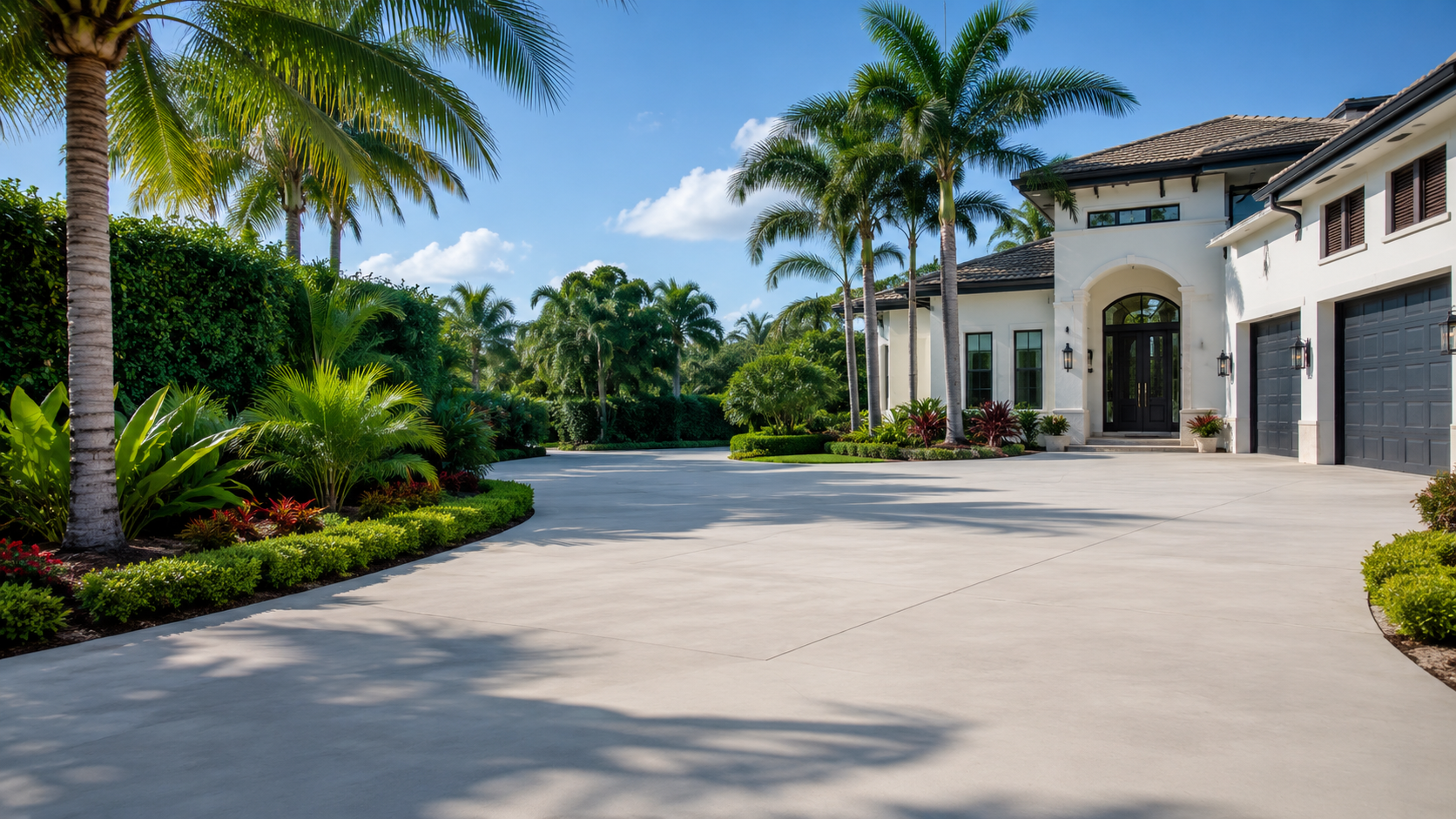
Review concrete repair and resurfacing when the existing surface may remain suitable for restoration. The service page covers cracking, surface deterioration, settlement, drainage, localized restoration, resurfacing, and other factors that can affect the repair scope.
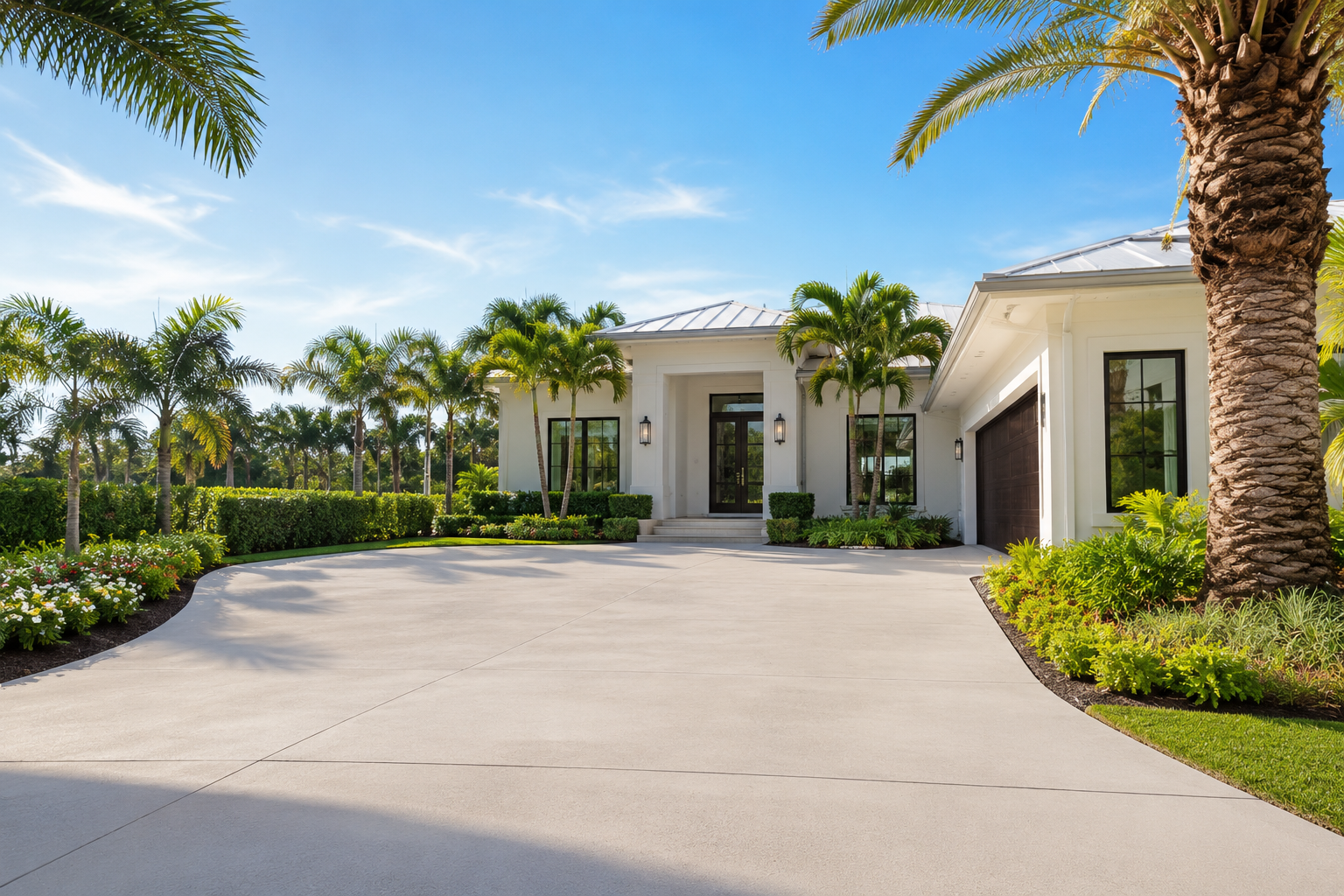
Review driveway options when cracked, settled, or deteriorated concrete also involves vehicle use, parking, garage transitions, drainage, widening, or a potential change in driveway layout.
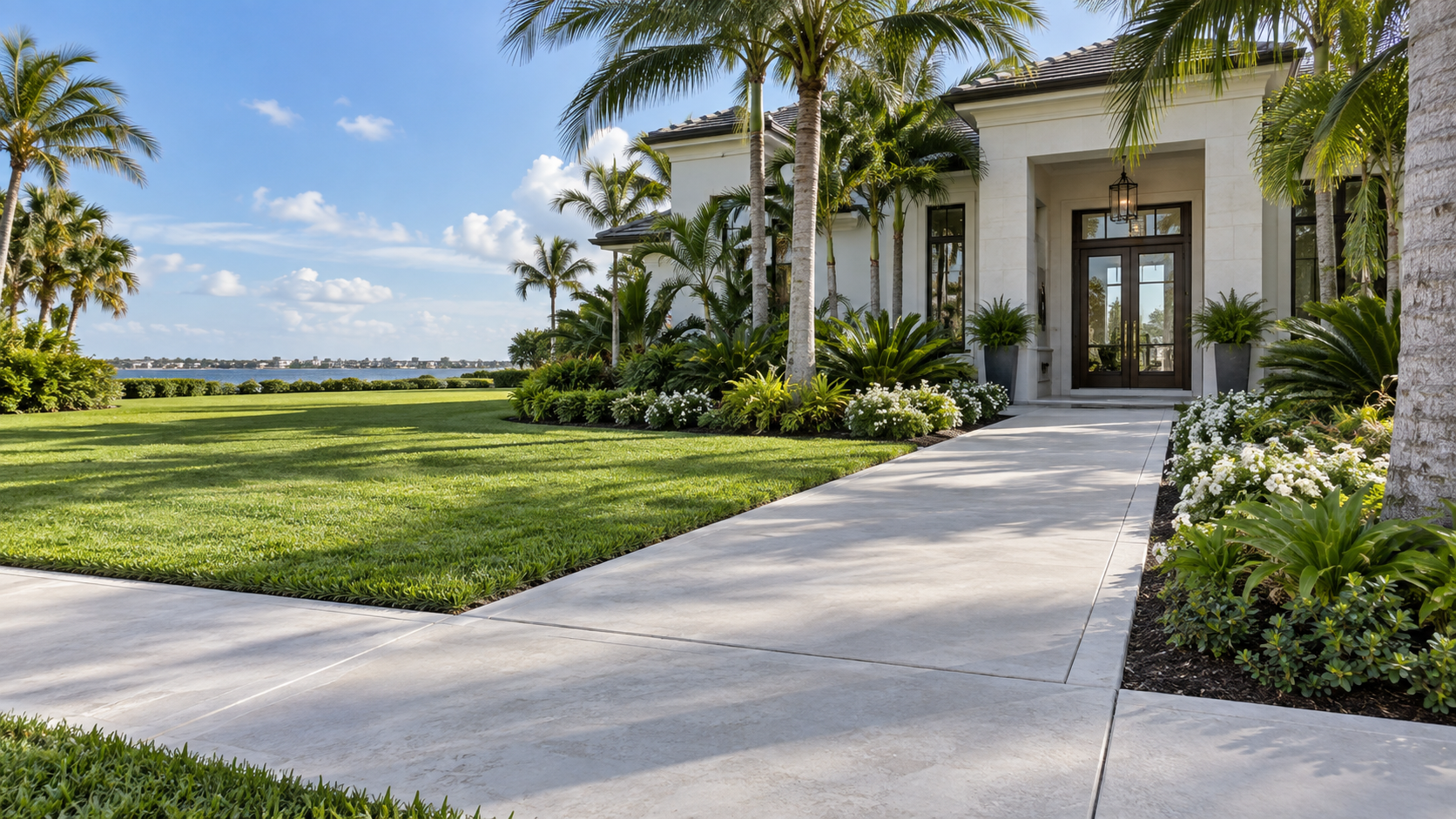
Review walkway options when the affected area involves settlement, uneven sections, entry connections, pedestrian routes, drainage, landscaping, or a possible change to the walkway layout.
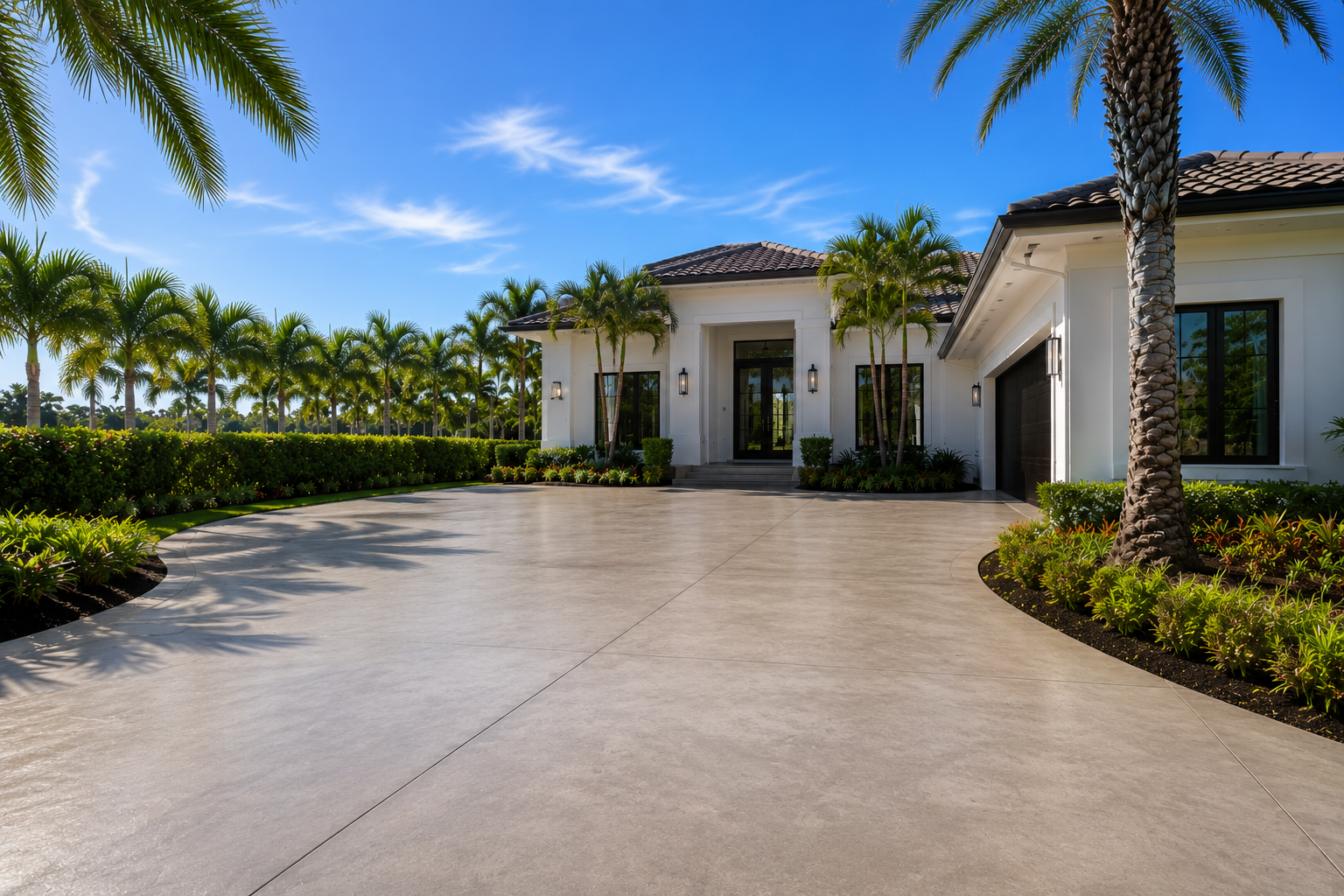
Review maintenance when the concrete remains serviceable and the next step involves cleaning, joint care, drainage awareness, sealing where appropriate, or protecting a repaired or resurfaced area.
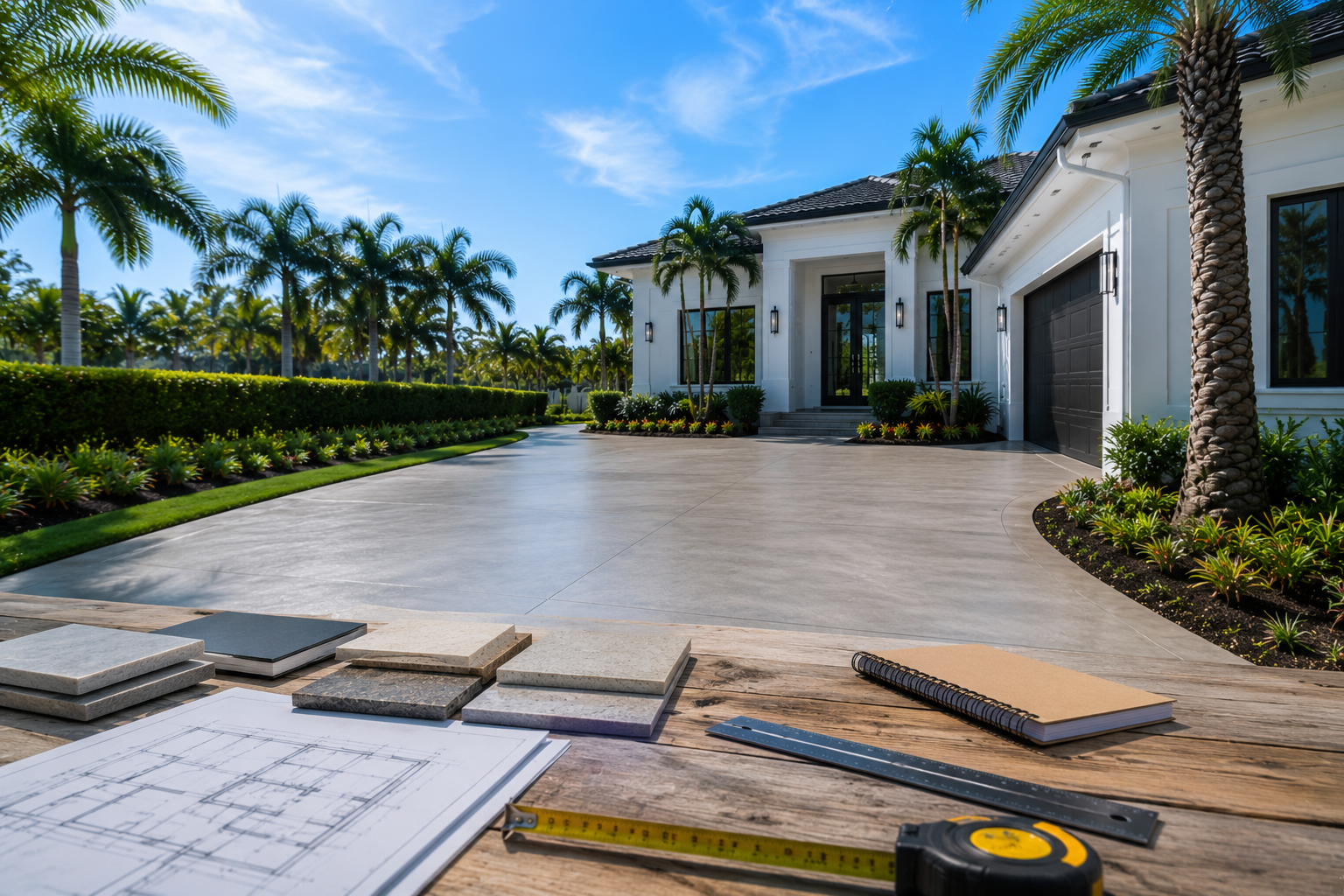
Use the cost guide to compare how repair scope, resurfacing, demolition, removal, grading, base preparation, drainage, access, and finish selection can affect concrete pricing.
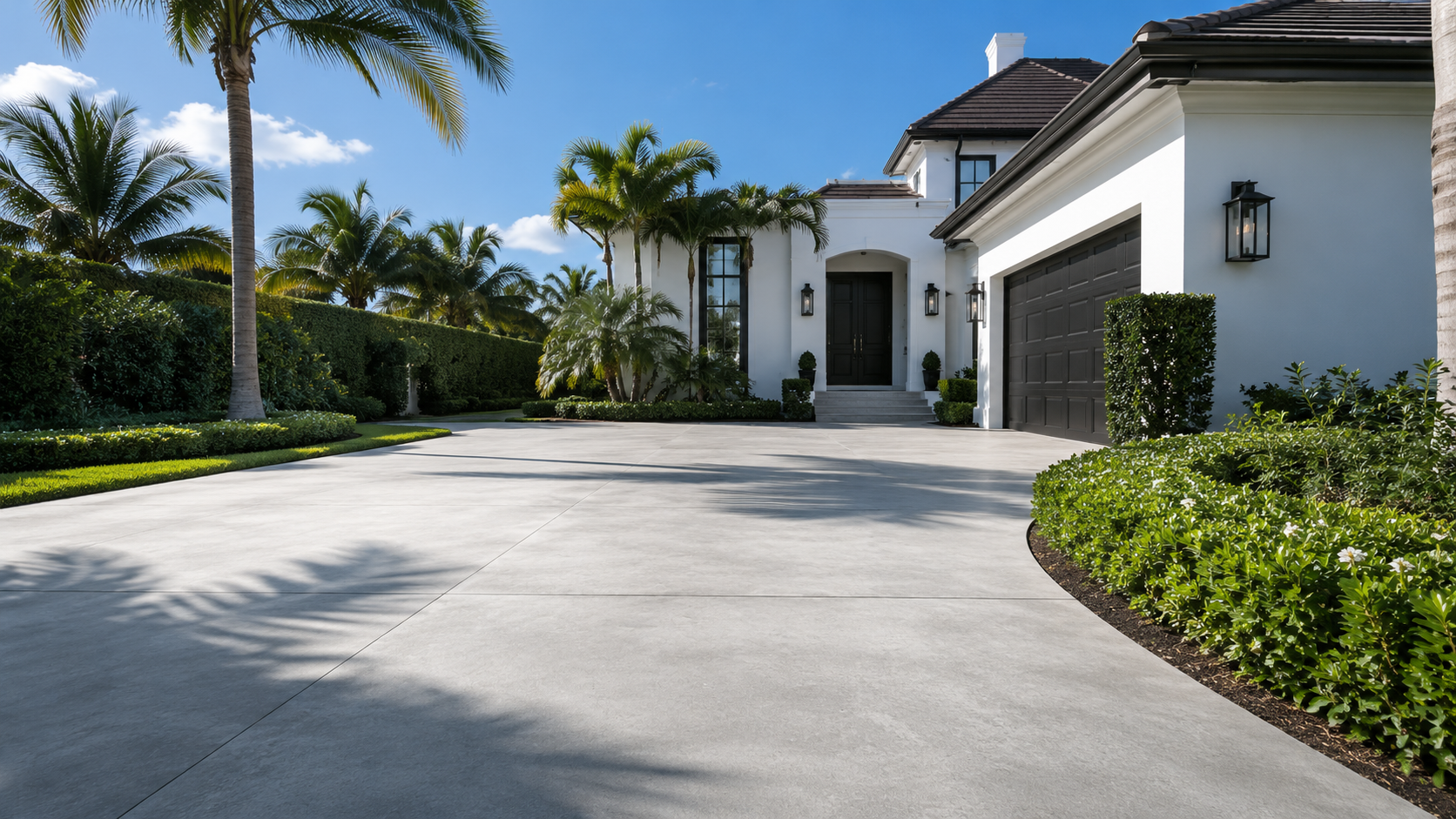
Review the installation process when partial or full replacement is becoming the likely direction. The guide explains site evaluation, removal and preparation, grading, base work, forming, placement, finishing, jointing, curing, and final use.
Request a Concrete Estimate After Comparing Repair & Replacement Options
Comparing repair and replacement is most useful when the decision is tied to the actual surface. Damage extent, movement, drainage, base support, previous repairs, existing layout, site access, intended use, finish expectations, and future property plans can all affect which scope should be considered.
Review concrete services in Boca Raton, concrete services in Boynton Beach, concrete services in Delray Beach, concrete services in Jupiter, concrete services in Lake Worth Beach, concrete services in Palm Beach Gardens, concrete services in Royal Palm Beach, concrete services in Wellington, and concrete services in West Palm Beach, or explore all Palm Beach County concrete service locations.
If you are considering concrete repair, resurfacing, partial replacement, or full replacement, a project-specific estimate can help clarify the condition of the existing surface, preparation requirements, drainage considerations, project scope, and cost factors.
Submit a request to have your project details routed to an independent local concrete contractor or service provider who may contact you about availability, options, pricing factors, and next steps.
Concrete Repair vs. Replacement FAQs for Palm Beach Properties
Can cracked concrete be repaired instead of replaced?
In some cases, yes. Localized cracking may be repairable when the surrounding concrete remains suitable and movement or another underlying condition is not affecting a broader area. Widespread cracking, continuing movement, significant settlement, drainage problems, or extensive deterioration may point toward partial or full replacement.
Is resurfacing the same as repairing concrete?
Resurfacing is one form of restoration, but it addresses a broader surface area than a localized crack, joint, chip, or patch repair. The existing concrete still needs to be suitable for the resurfacing system; resurfacing should not be treated as a way to conceal significant movement or instability.
Can only part of a driveway, patio, or walkway be replaced?
Potentially. Partial replacement may be useful when one or several sections have failed while adjoining concrete remains serviceable. Joints, elevation, drainage, finish matching, and transitions between old and new concrete should be considered.
Does settlement mean concrete needs to be replaced?
Not automatically. The decision depends on the extent and cause of the settlement, condition of the concrete, base support, drainage, and whether movement is localized or widespread.
Is replacing concrete always better than repairing older concrete?
No. Concrete age alone does not determine the appropriate scope. Older concrete that remains stable may still be suitable for repair or resurfacing, while more recent concrete with significant movement, deterioration, or base problems may require broader work.
Can stamped or decorative concrete be repaired?
Potentially. However, matching existing color, pattern, texture, scoring, or decorative finishes can be difficult. The underlying concrete should first be suitable for repair or resurfacing before appearance becomes the primary consideration.
Does Palm Beach County weather affect repair and replacement decisions?
It can. Rainfall, drainage, moisture, sun exposure, irrigation, soil conditions, and base support may contribute to cracking, settlement, staining, wear, or movement. Whether those conditions can be addressed while preserving the existing concrete can influence the repair-versus-replacement decision.