Concrete Installation Process in Palm Beach
From Site Preparation to Concrete Finishing & Curing
If you are planning a new driveway, patio, slab, walkway, or decorative concrete project in Palm Beach, understanding the installation process can help you make better decisions before work begins.
Palm Beach Concrete helps route concrete installation project requests to independent local concrete contractors or service providers who may review the site, intended use, drainage, access, finish preferences, and local requirements before discussing availability, options, and next steps.
This guide explains how concrete installation typically works, what Palm Beach property owners should consider before starting, and how local climate, soil, rainfall, and permitting considerations can influence the final project.
Request an Estimate
Have photos, drawings, or project notes? You can attach them through the form or send additional details to
We will get back to you as soon as possible.
Please try again later.
What Is the Concrete Installation Process?
Concrete installation is the process of planning the project, preparing the site and base, forming the area, placing the concrete, finishing and jointing the surface, curing the concrete, and preparing the completed area for its intended use.
The exact steps vary depending on whether you are planning a concrete driveway, concrete patio, concrete slab, or concrete walkway. A driveway has different load and access requirements than a patio, while a slab, walkway, or other pedestrian surface may require different preparation, reinforcement, finish methods, drainage planning, or transitions.
Common Concrete Installation Project Types
- Driveways and parking areas
- Patios and outdoor-living spaces
- Walkways, entry areas, and courtyards
- Garage floors and utility slabs
- Shed, workshop, and equipment pads
- Decorative and stamped concrete surfaces
- Replacement concrete for aging or unsuitable existing surfaces
Concrete can be used for a wide range of parking, outdoor-living, walkway, utility, slab, and decorative applications when the installation is planned around the intended use and conditions of the property.
03
What to Expect During a Typical Concrete Project
While every project is different, concrete installation commonly follows these stages:
Project Goals, Surface Use, and Layout Planning
The process starts with a discussion of your project goals, intended use, design preferences, budget, timeline, and the condition of the property.
Site Access, Drainage, Soil, and Preparation Review
The work area is reviewed for measurements, access, drainage, grade changes, existing surfaces, utilities, and preparation needs. This helps determine whether excavation, demolition, grading, base work, or drainage adjustments are needed before installation.
Concrete Thickness, Reinforcement, Finish, and Design Selection
The installation approach should reflect the intended use of the surface, expected traffic or load, layout, concrete thickness, reinforcement where appropriate, joint requirements, finish selection, site conditions, and any project-specific requirements that may apply.
Forming, Concrete Placement, Finishing, Jointing & Curing
Once site and base preparation are complete, the work can move into forming, reinforcement where required, concrete placement, consolidation, surface finishing, texture or decorative detailing, jointing, and curing. The exact sequence varies with the project type and finish, but the timing of placement, finishing, joint work, and curing can materially affect the completed surface.
Final Surface Review, Use Timing, and Care Guidance
The completed surface is reviewed for appearance, functionality, transitions, drainage awareness, and general quality. You should also receive guidance about curing, when to use the surface, cleaning, and long-term care.
Benefits of a Well-Planned Concrete Installation
Depending on the project and property, thoughtful installation planning can help support:
A surface sized and laid out for its intended vehicle, pedestrian, storage, equipment, or outdoor-living use
Drainage, slope, and transitions that work with the surrounding property
Appropriate preparation, thickness, reinforcement, and joint planning for the project
Standard, decorative, or stamped finishes selected around appearance and everyday use
Better coordination with garages, entry areas, landscaping, utilities, existing hardscape, and nearby structures
A maintenance and care approach suited to the surface finish and outdoor exposure
Good planning does not eliminate normal concrete movement, weather exposure, maintenance, or the possibility of future repair, but it can help reduce avoidable installation problems and better align the finished surface with the way the property will be used.
Key Planning Factors Before Installing Concrete
Before moving forward with a project, property owners should evaluate several key factors.
Site Conditions, Drainage, and Access
Existing grade, drainage, soil, access, nearby structures, utilities, landscaping, and the condition of any existing concrete can all influence the project. Site preparation is a core part of the installation because the condition, grade, drainage, and support beneath the concrete can influence how the finished surface performs.
Where an existing surface has already moved, understanding why concrete settles or becomes uneven can provide additional context for why grading, compaction, drainage, and consistent base support matter before replacement concrete is placed.
Budget, Scope, and Finish Selection
Costs can vary based on square footage, demolition, thickness, reinforcement, drainage corrections, finish selection, access, and design complexity. A standard broom-finished patio and a custom stamped driveway may use the same basic material, but they are very different projects in scope and cost.
Maintenance Requirements and Surface Care
Maintenance needs vary with the surface type, finish, exposure, drainage, and intended use. Cleaning, joint care, runoff management, repair when needed, and protective sealing where appropriate may all form part of long-term care, particularly for decorative or stamped surfaces.
Traffic, Load & Long-Term Surface Performance
The installation should reflect the type and frequency of use the surface is expected to receive. Vehicle traffic, pedestrian use, equipment loads, drainage, soil and base conditions, concrete thickness, reinforcement, jointing, sun exposure, finish selection, and maintenance can all influence long-term surface performance.
Design Goals, Layout, and Finish Options
Concrete can be purely functional or highly customized. Before selecting a finish, consider how the area will be used, how it should connect with the home and landscaping, and whether you prefer a practical standard surface, a decorative finish, or a patterned stamped design.
How Palm Beach County Conditions Affect Concrete Installation
Concrete installation across Palm Beach County should be planned around the conditions of the individual property rather than treated as a one-size-fits-all process. Heat, rainfall, soil and base conditions, drainage, coastal exposure, property access, and local approval requirements can all influence preparation, placement, finishing, curing, and long-term surface care.
Heat, Humidity, and Concrete Curing
Palm Beach heat and humidity can affect scheduling, placement, finishing, curing, and when the new surface should be used. Planning around weather conditions helps support better finish quality and long-term performance.
Heavy Rainfall, Slope, and Drainage
Heavy rainfall and seasonal storms make drainage planning important for driveways, patios, walkways, slabs, and outdoor-living surfaces. Proper slope, runoff direction, and surface transitions can help reduce standing water and drainage-related wear.
Sandy Soil, Grading, and Base Preparation
Sandy or variable soil conditions can affect the support beneath a new concrete surface. Grading, compaction, base preparation, thickness, reinforcement, and joint planning should be reviewed before installation.
Coastal Moisture and Outdoor Exposure
Properties closer to coastal or waterfront areas may need to account for humidity, salt air, moisture exposure, staining, and long-term surface wear. These conditions can influence finish selection, sealing considerations, and maintenance planning.
HOA, Permit, and Approval Requirements
Some projects may involve HOA review, municipal requirements, inspections, right-of-way coordination, driveway apron details, drainage rules, setbacks, or other approval steps. Reviewing these requirements early can help clarify the project scope and avoid delays.
Reviewing these conditions before installation can help define the preparation, drainage, access, finish, curing, approval, and maintenance considerations that are relevant to the specific property.
How Finish Options Affect Concrete Installation
Finish selection affects more than appearance. Standard, decorative, and stamped concrete can involve different planning for surface preparation, layout, finishing methods, texture, color, detailing, curing, sealing, traction, and long-term care.
Standard Concrete
Standard concrete commonly uses a practical broom or similar textured finish for driveways, slabs, walkways, patios, and utility areas. The installation still requires appropriate planning for site preparation, drainage, thickness, reinforcement where needed, jointing, finishing, and curing even when decorative treatments are not part of the project.
Decorative concrete may include color, scoring, borders, textured finishes, overlays, or other visual treatments. These choices should be considered before installation because they can affect surface preparation, layout, finishing steps, curing, protective treatments, and future maintenance.
Stamped concrete adds pattern and texture during the finishing stage and may also involve color systems, borders, release materials, joint planning, traction considerations, and protective sealing. Pattern and finish choices should therefore be established early enough to coordinate them with layout, drainage, placement, finishing, and curing.
The right option depends on whether the project is mainly functional, decorative, structural, restorative, or part of a larger property improvement, as well as the surface use, site preparation needs, finish expectations, drainage, and long-term maintenance plan.
Cost Considerations for Concrete Installation
Concrete project costs can vary based on:
Project size and square footage
Site access and equipment requirements
Existing-surface removal or demolition
Grading, drainage, and base-preparation needs
Thickness, reinforcement, and intended use
Curved layouts, borders, colors, patterns, or custom design details
Standard, decorative, or stamped finish selection
Permit, inspection, HOA, or jurisdiction-specific requirements
For more detail about project pricing, site preparation, finish options, and local cost factors, review the Palm Beach concrete cost guide.
Is a Concrete Installation Project Right for Your Property?
New installation or full replacement is not always the only option when concrete is already present. If the existing surface remains suitable for restoration, repair or resurfacing may be worth considering before removal and replacement. Where movement, deterioration, drainage problems, failing areas, or underlying site conditions make restoration impractical, replacement may be the more appropriate project scope.
If you are deciding whether the existing concrete should be preserved or rebuilt, compare concrete repair vs. replacement before moving into a new installation project.
Improve the appearance of your property
Add a driveway, patio, walkway, slab, or outdoor-living feature
Replace an aging or unsuitable exterior surface
Improve vehicle access, parking, storage, or usable outdoor space
Upgrade from a plain surface to a decorative or stamped finish
Coordinate hardscape improvements with landscaping or renovation plans
After your request is routed, an independent local concrete contractor or service provider may review the project details and discuss which concrete option, layout, finish, preparation approach, and installation plan may be most practical for the property.
Continue Planning Your Concrete Project
Concrete project requests are accepted across Palm Beach County. Explore Boca Raton concrete services, Boynton Beach concrete services, Delray Beach concrete services, Greenacres concrete services, Jupiter concrete services, Lake Worth Beach concrete services, North Palm Beach concrete services, Palm Beach Gardens concrete services, Riviera Beach concrete services, Royal Palm Beach concrete services, Wellington concrete services, and West Palm Beach concrete services, or review all Palm Beach County concrete service locations.
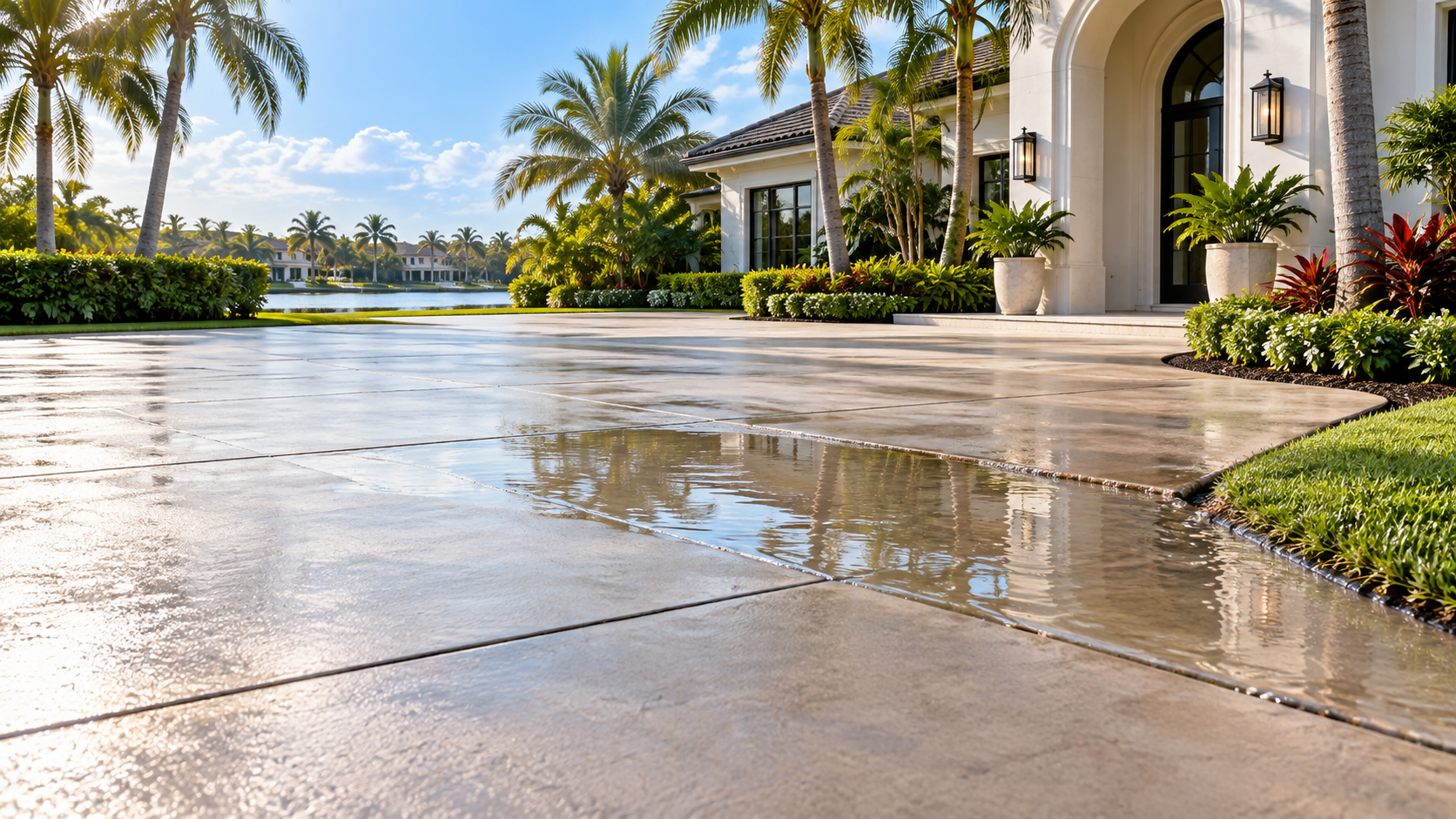
Before new or replacement concrete is placed, review how slope, runoff paths, adjoining surfaces, landscaping, and grade changes can influence where water collects after the project is complete.
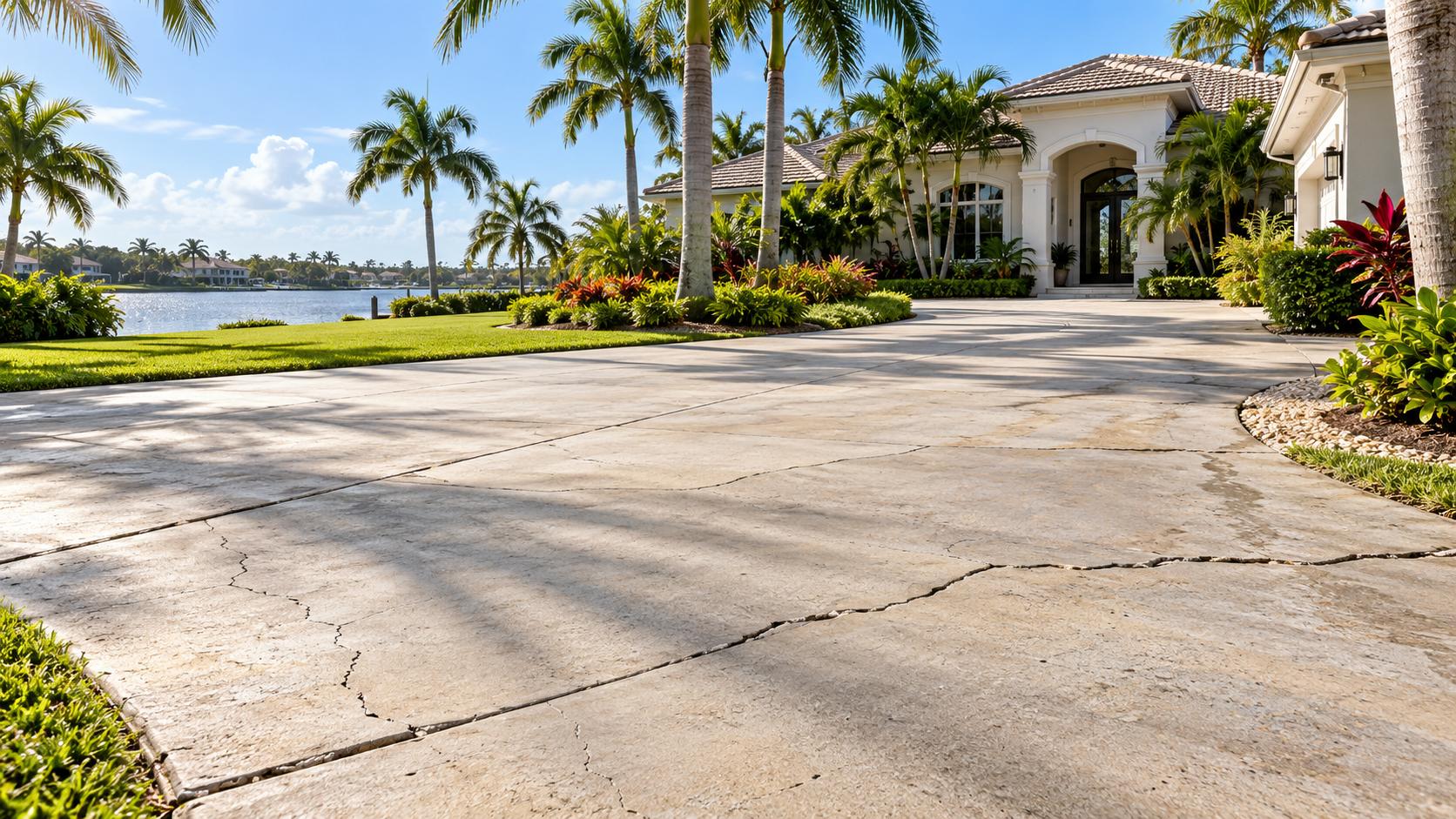
Patio installation should account for outdoor-living use, layout, drainage, access, adjoining surfaces, and finish selection. Review the patio page for planning considerations that can shape new patios, extensions, and connected outdoor spaces.
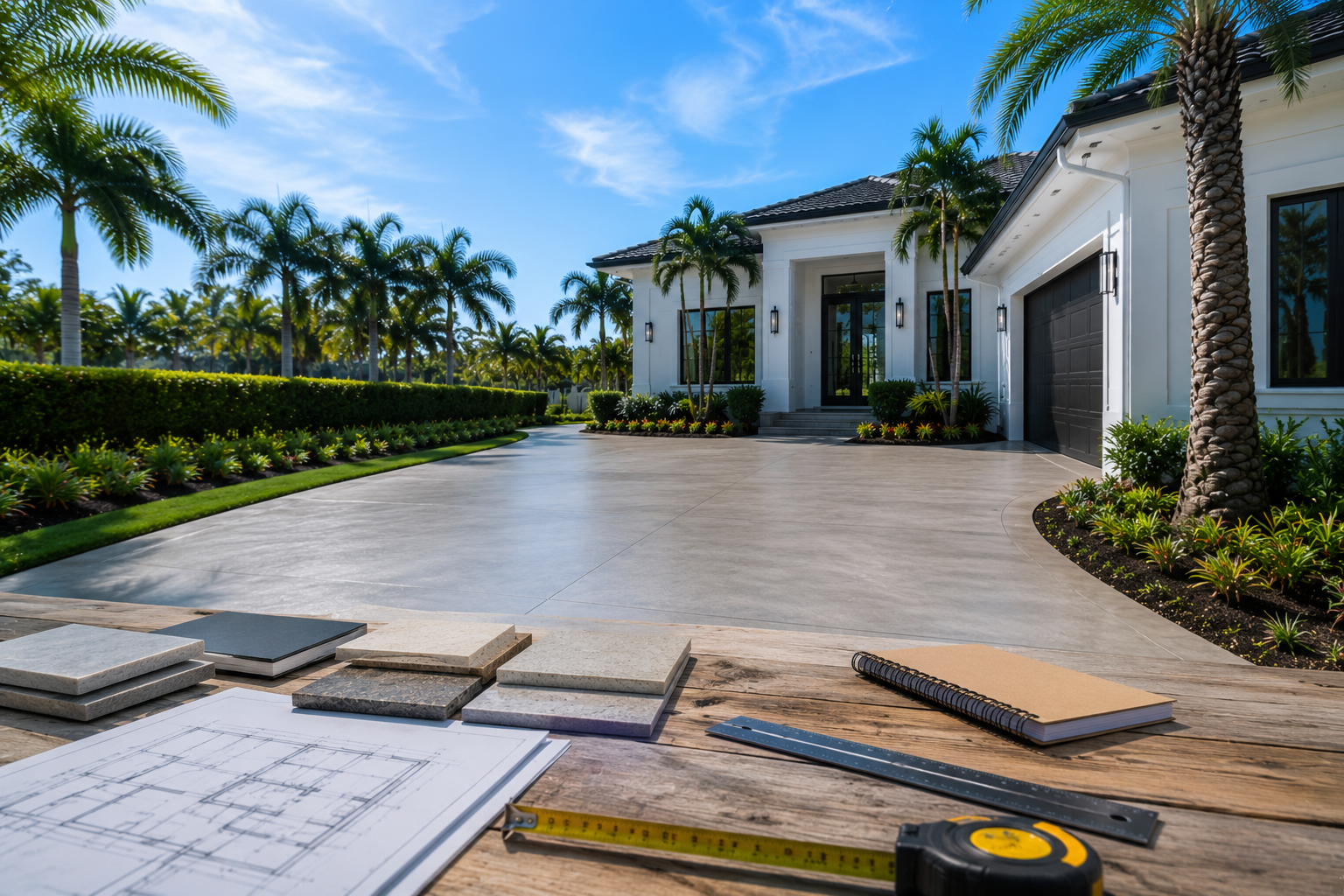
Project pricing can vary with size, preparation, demolition, drainage, access, reinforcement, finish selection, and site conditions. Use the cost guide to review typical planning ranges and the factors that can influence the final scope.
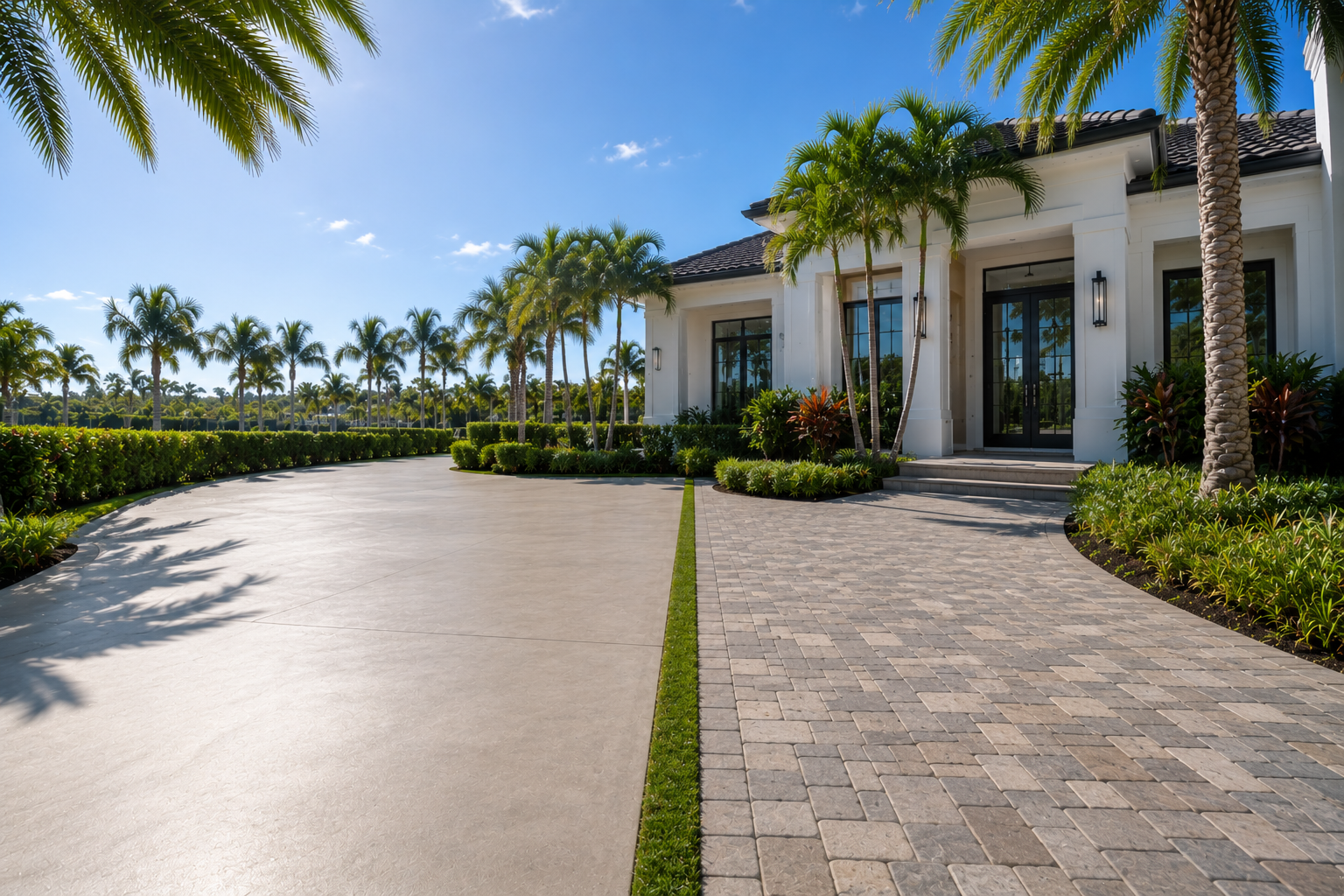
Concrete and pavers can both be considered for driveways, patios, walkways, and other outdoor surfaces. Compare installation, appearance, maintenance, repair, drainage, and cost considerations before choosing a surface approach.
Request a Concrete Installation Estimate in Palm Beach
A project-specific concrete estimate can help define the installation around the surface type, intended use, approximate size and layout, existing conditions, site access, drainage, preparation needs, finish preferences, and any approval requirements that may apply.
Submit a request to have your project details routed to an independent local concrete contractor or service provider who may contact you about availability, installation options, site conditions, scope, pricing factors, and next steps.
If available, include measurements, photos, drawings, information about the existing surface, intended use, finish preferences, access conditions, drainage concerns, and preferred timing with the request.
Concrete Installation Process FAQs for Palm Beach Properties
How long does a typical concrete installation take?
Timing depends on the size and complexity of the project, site preparation needs, weather conditions, finish type, access, and curing requirements. A standard project may take less time than a larger decorative, stamped, replacement, or multi-surface installation.
How long should new concrete cure before it is used?
The appropriate timing depends on the concrete mix, weather conditions, surface type, and whether the area will receive foot traffic, furniture, vehicles, or equipment. Your contractor should provide project-specific guidance before the surface is put into regular use.
Does Palm Beach weather affect concrete installation?
Yes. Heat, humidity, rainfall, storm patterns, drainage needs, and strong sun exposure can all influence scheduling, finishing, curing, surface protection, and long-term care. These conditions should be considered during planning.
Do concrete projects in Palm Beach County require permits?
Some do, depending on the project type, location, scope, and jurisdiction. Requirements may differ between individual cities, HOA communities, and unincorporated Palm Beach County. Driveway connections, structural work, drainage changes, and right-of-way work are examples of projects that may require additional review.
Can a concrete project include more than one surface?
Yes. Many property owners coordinate a driveway, patio, walkway, equipment pad, or entry-area project at the same time. Planning connected surfaces together can improve transitions, drainage, design consistency, and overall property functionality.
What should be reviewed before concrete installation begins?
Before concrete installation begins, the project should be reviewed for surface use, measurements, site access, drainage, grading, existing concrete removal, base preparation, thickness, reinforcement, finish selection, and any approval requirements that may apply. These details help clarify the project scope and reduce the chance of avoidable issues during preparation, pouring, finishing, or curing.
For Palm Beach properties, it is also useful to consider local factors such as heat, humidity, rainfall, sandy soil conditions, HOA requirements, driveway connections, setbacks, and whether the project involves a driveway, patio, slab, walkway, or decorative surface.
Why is base preparation important before pouring concrete?
Base preparation is important because concrete needs stable support beneath the finished surface. Grading, compaction, soil conditions, drainage, and base material can all affect how well a driveway, patio, slab, walkway, or equipment pad performs over time.
If the base is not properly prepared, the concrete may be more likely to experience settling, cracking, uneven areas, drainage problems, or premature surface wear. Proper preparation helps the finished concrete better match its intended use, whether the project involves vehicle traffic, outdoor living, storage, equipment support, or decorative surface work.
Can concrete installation include decorative or stamped finishes?
Yes, many concrete installation projects can include decorative or stamped finishes depending on the surface type, layout, budget, drainage, and intended use. These finishes may include color, scoring, borders, texture, stamped patterns, or other design details.
Decorative and stamped options should be discussed before installation because they can affect preparation, finishing, curing, sealing, maintenance, traction, and long-term surface care. Planning these details early helps make sure the finished surface supports both the property’s appearance and everyday use.