Concrete Maintenance & Sealing in Palm Beach
Concrete Surface Protection, Sealing & Preventive Care
Palm Beach Concrete helps route concrete maintenance and sealing requests to independent local concrete contractors or service providers who may review the surface type, existing condition, finish, previous sealing or repair work, drainage, staining, joint condition, exposure, and long-term care needs.
Maintenance may include cleaning, sealing or resealing, joint care, stain treatment, drainage awareness, minor surface repairs, and protective care for driveways, patios, walkways, slabs, stamped concrete, and other decorative surfaces. The appropriate approach depends on how the concrete is used and whether the surface is already showing wear that should be addressed before another treatment is applied.
Palm Beach County conditions such as strong sun, humidity, frequent rainfall, moisture exposure, vehicle or foot traffic, pool-area use, and coastal conditions in some locations can affect how exterior concrete should be cleaned, protected, sealed, and monitored over time.
Request an Estimate
Have photos, drawings, or project notes? You can attach them through the form or send additional details to
We will get back to you as soon as possible.
Please try again later.
What Concrete Maintenance and Sealing Can Help Protect
Concrete maintenance is commonly used to
Preserve the appearance of driveways, patios, walkways, slabs, and decorative finishes
Help protect surfaces from moisture, staining, dirt buildup, and everyday wear
Support long-term durability through cleaning, sealing, joint care, and surface inspection
Improve the usability and visual appeal of outdoor concrete areas
Maintain recently installed concrete after the recommended curing period
Prepare a surface for repair, resurfacing, or decorative improvements
Reduce avoidable maintenance concerns through routine care
Support the long-term value of exterior property improvements
The right maintenance approach depends on your property layout, surface type, finish, intended use, exposure to weather, budget, and long-term objectives.
Concrete Services That Support Long-Term Surface Care
Depending on the project, property owners may choose from several related concrete services.
Maintenance planning works best when it is matched to the surface type, finish, exposure, use level, drainage conditions, and whether repair or resurfacing may also be needed.
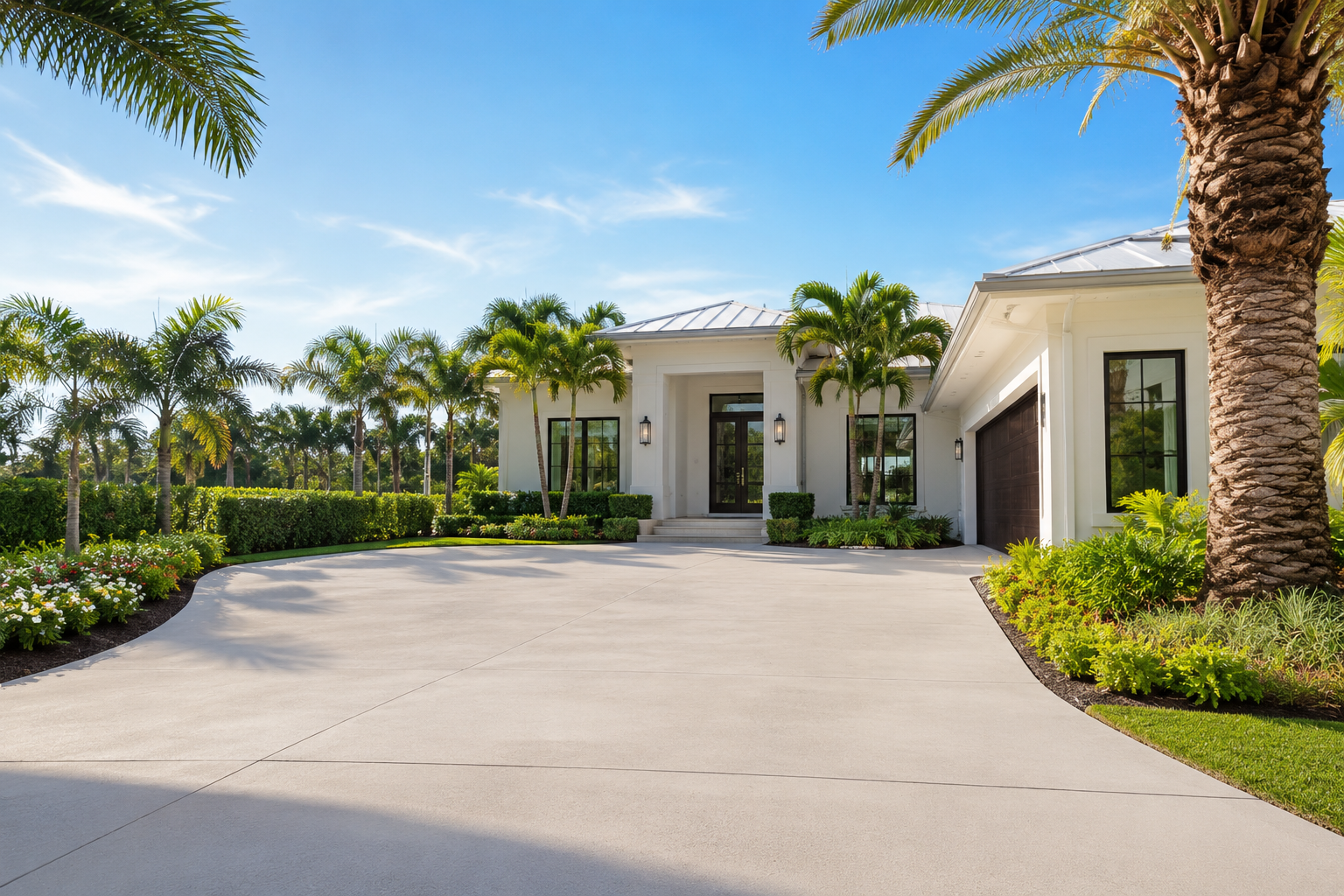
Driveway maintenance should reflect vehicle traffic, surface finish, joint condition, drainage, direct sun, rainfall, staining, and existing wear. Cleaning, runoff management, joint care, and sealing where appropriate can all form part of the maintenance plan.
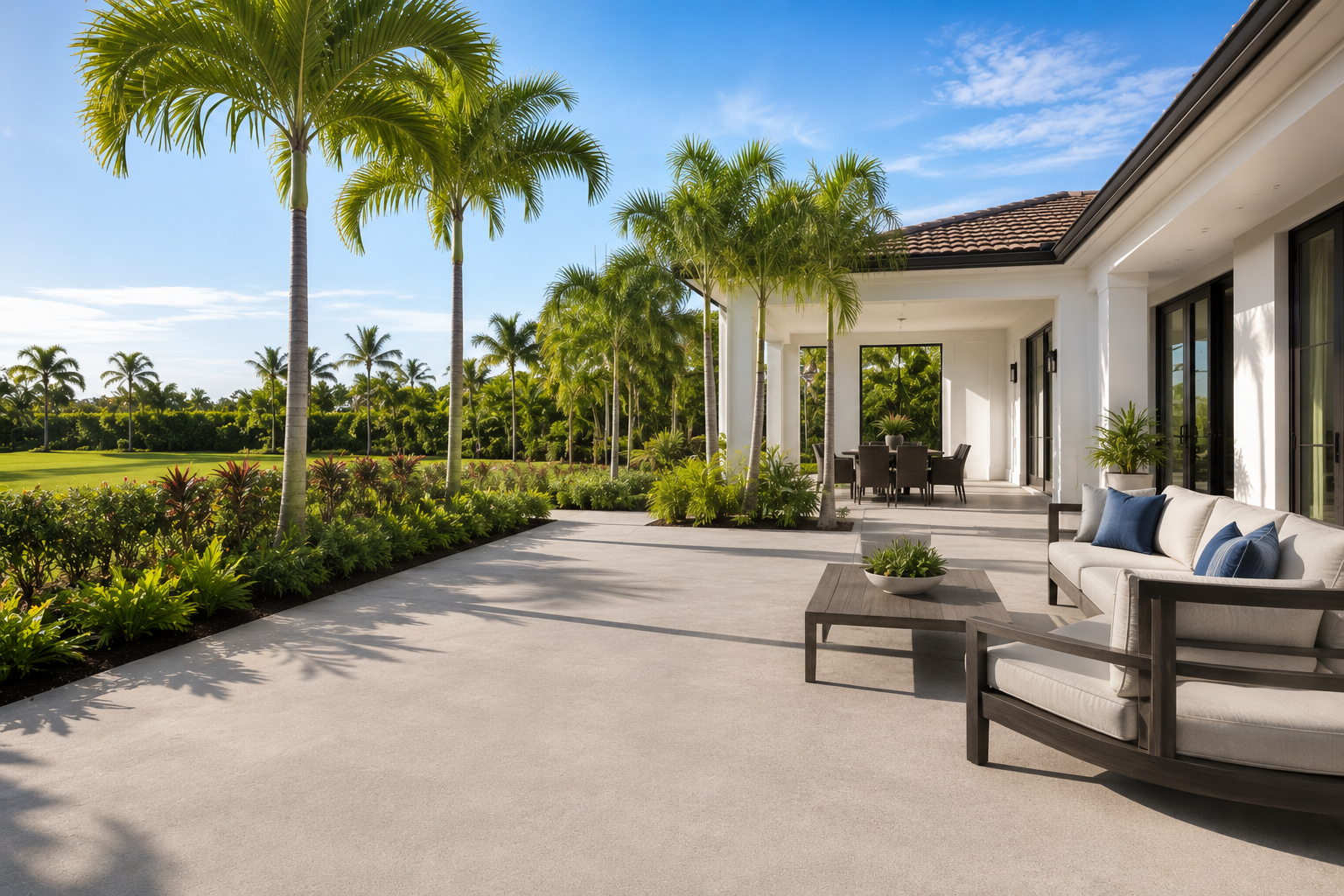
Patio maintenance should account for outdoor dining, furniture, foot traffic, pool or moisture exposure, drainage, staining, and the type of finish. Cleaning, surface protection, joint care, and timely attention to wear can help keep the patio suitable for everyday outdoor use.
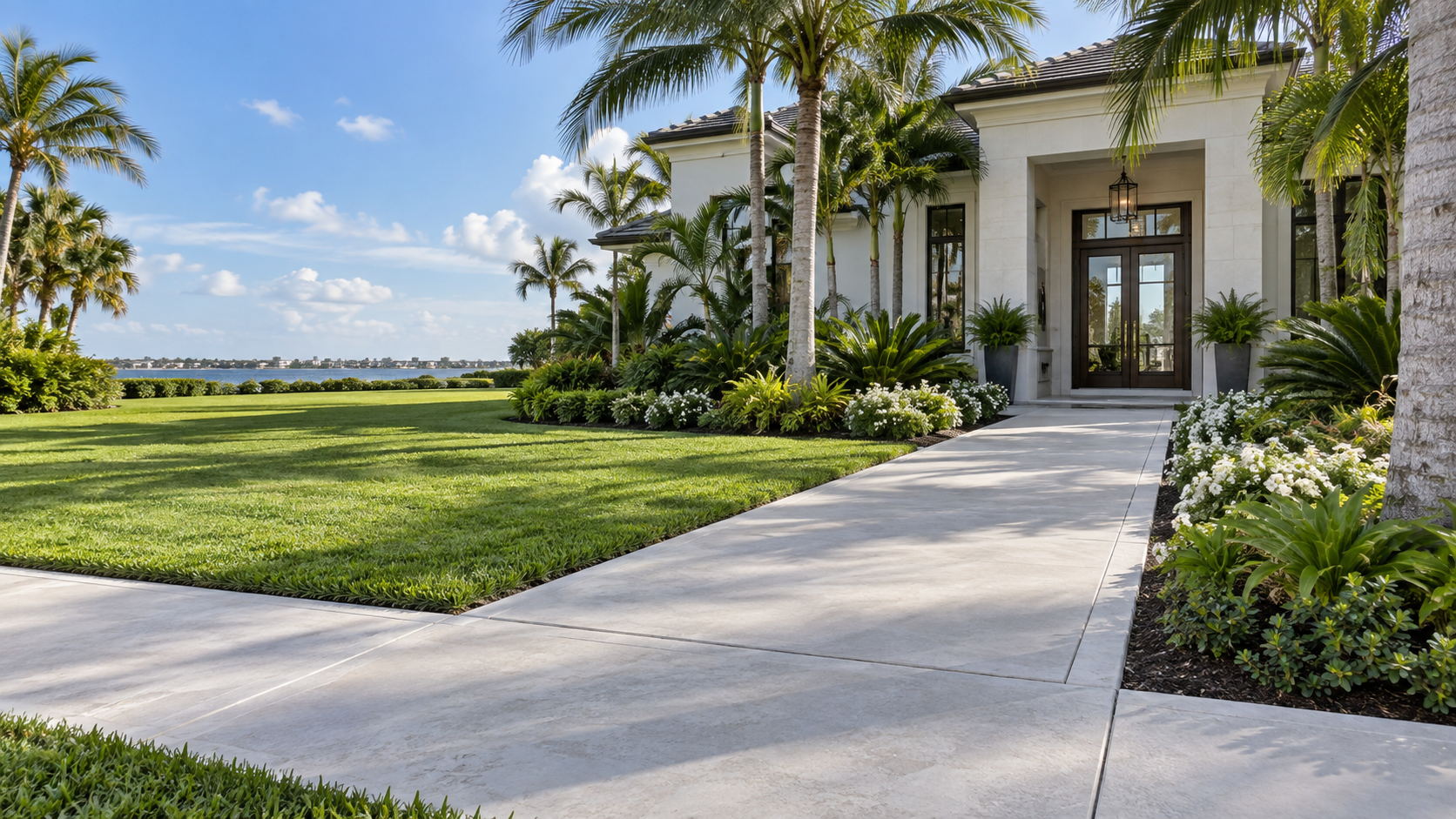
Walkway maintenance should reflect regular foot traffic, drainage, landscaping, joints, staining, sun exposure, and surface condition. If movement, cracking, uneven areas, or broader deterioration go beyond routine care, replacement or a new walkway layout may also need to be considered.
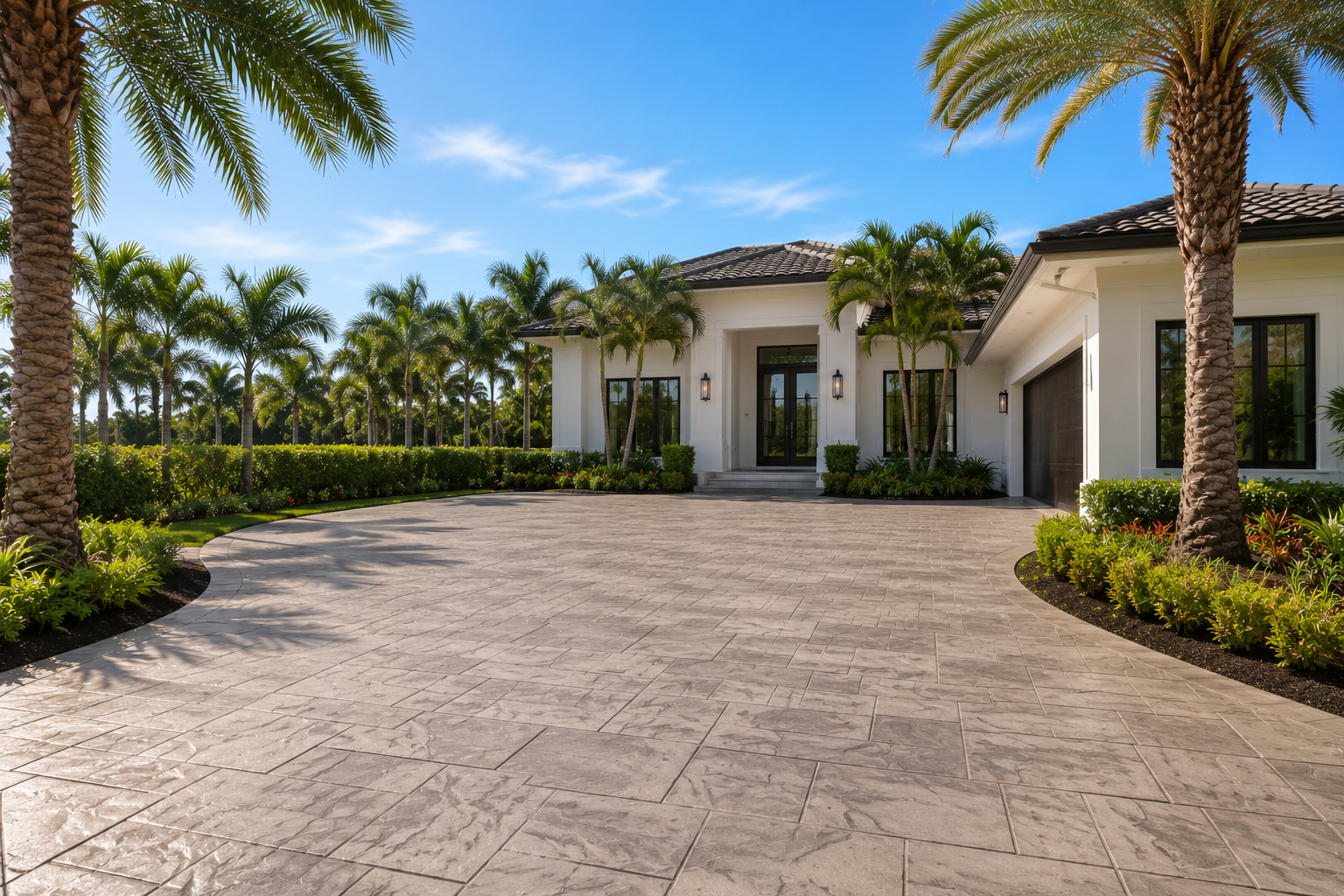
Stamped concrete maintenance needs to protect both the concrete surface and its decorative pattern, texture, color, and sealer. Cleaning methods, wear, drainage, UV exposure, and resealing needs should be considered together.
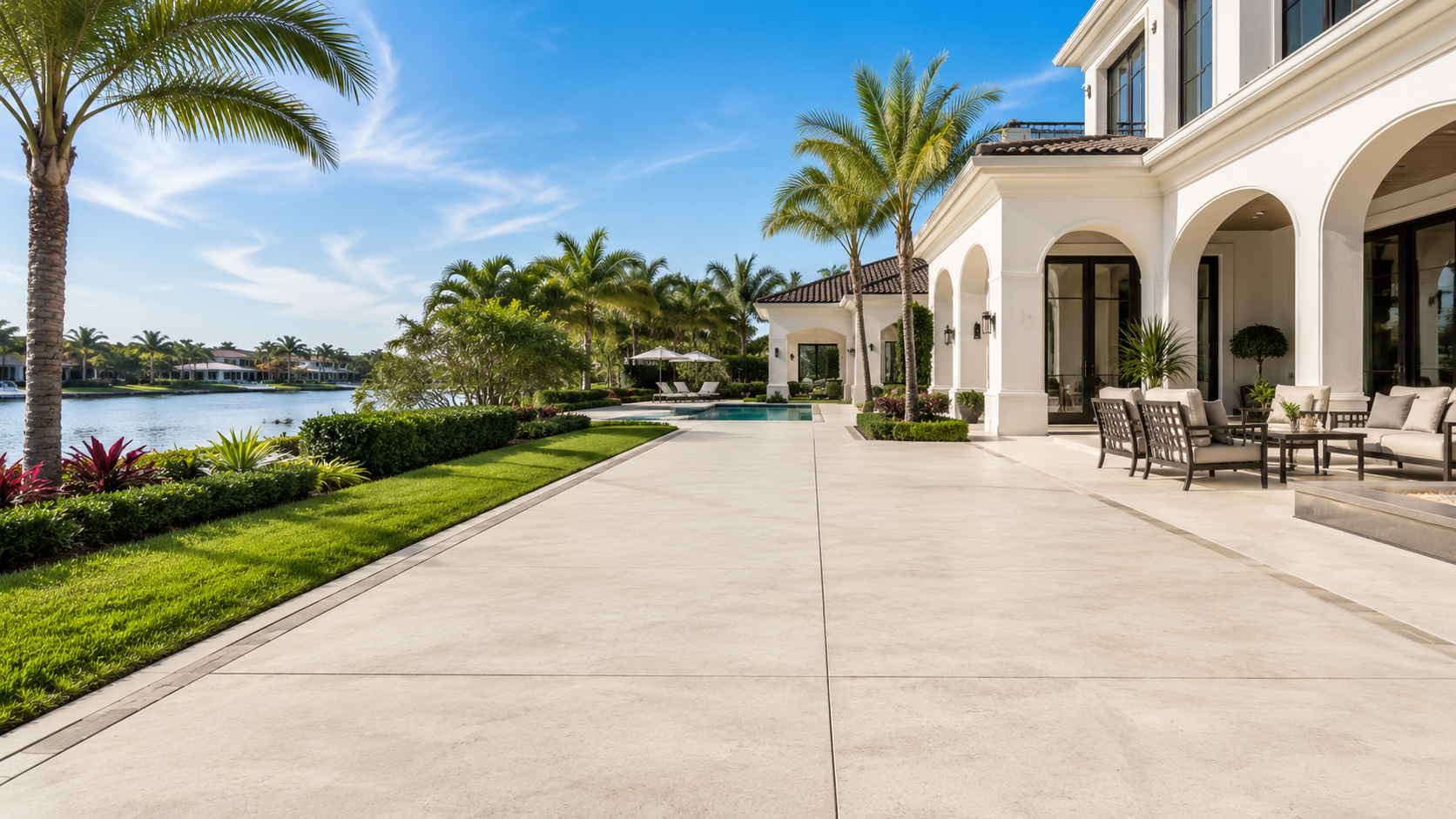
Decorative concrete may require finish-specific care for color, scoring, borders, texture, coatings, overlays, or other surface details. The maintenance approach should reflect the finish type, sun and moisture exposure, traffic, drainage, and existing surface condition.
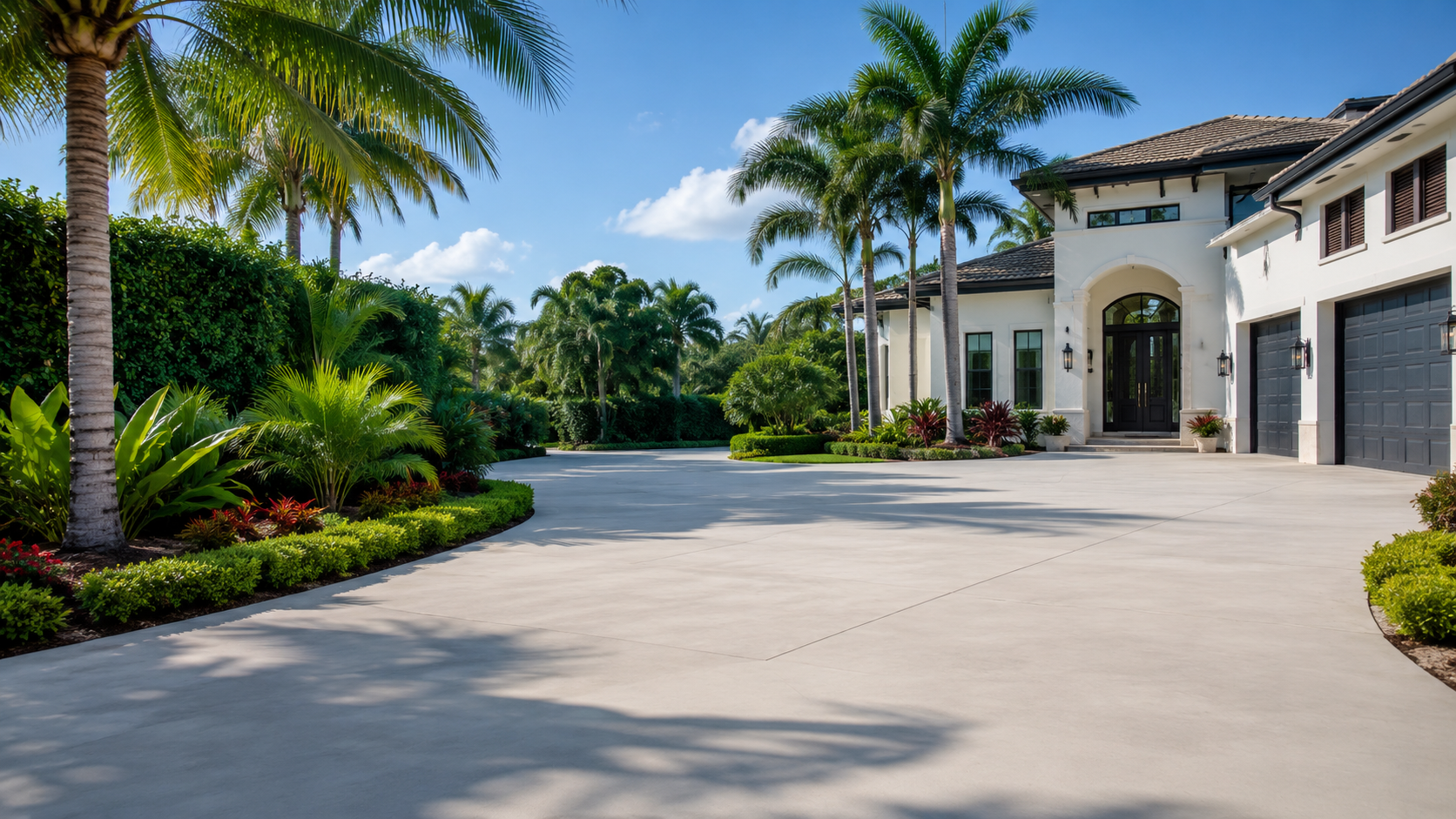
Maintenance can reveal problems that need more than cleaning or sealing. Cracking, spalling, loose material, movement, drainage-related wear, uneven areas, or failing coatings may need repair or resurfacing before additional protective treatment is applied.
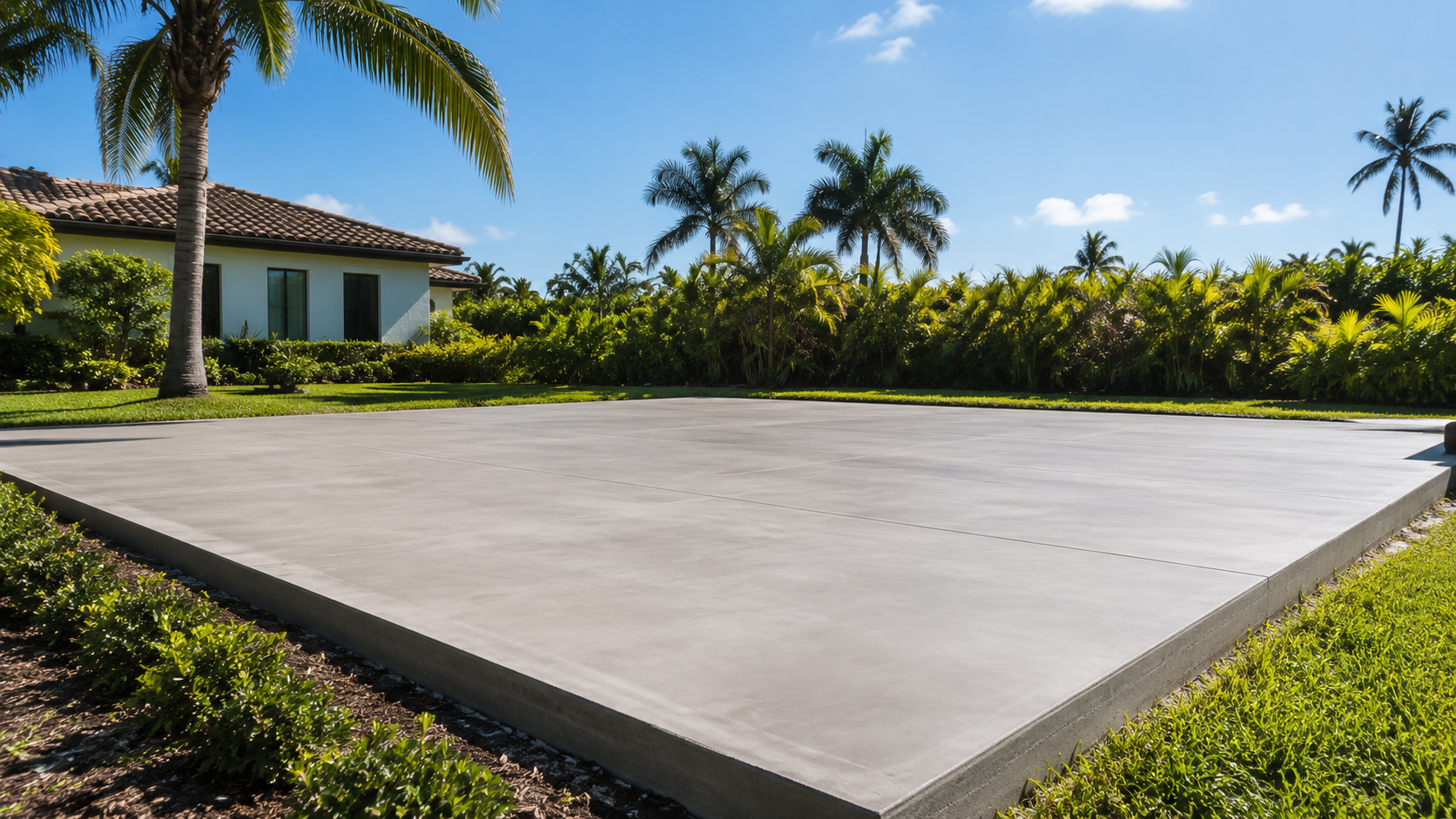
Properties with existing concrete to maintain may also need a new slab for an equipment area, shed, storage space, outdoor structure, or another functional use that requires a separate concrete surface.
How Concrete Maintenance & Sealing Are Planned
Concrete maintenance should be based on the condition of the surface, how it is used, and what it is exposed to. Cleaning, sealing, joint care, drainage, and minor repair needs can then be considered as part of an appropriate maintenance plan.
Surface Condition and Maintenance Goals Review
The process begins with a discussion of the concrete surfaces you want to maintain, their intended use, current condition, finish type, visible concerns, budget range, and long-term goals.
Wear, Staining, Drainage, and Exposure Evaluation
The work area is reviewed for surface wear, staining, joints, drainage patterns, nearby landscaping, access, previous repairs, sun exposure, and other factors that may influence the recommended maintenance approach.
When Repair Should Come Before Sealing
Sealing is usually most effective when the concrete surface is properly cleaned and suitable for protection. If the surface has active cracks, loose material, drainage-related wear, spalling, uneven areas, or failing previous coatings, those issues may need to be reviewed before sealing. In some cases, repair, resurfacing, joint care, or drainage correction should be considered first so the sealer is not applied over conditions that could continue to worsen.
Cleaning, Sealing, Joint Care, and Protection Plan
Recommendations are developed based on:
- Surface type and intended use
- Existing finish, texture, color, or decorative details
- Budget considerations
- Local environmental conditions
- Drainage and runoff patterns
- Cleaning and sealing requirements
- Joint condition and edge protection needs
- Applicable HOA, property, or project-specific requirements
This stage helps determine whether the surface needs routine care, protective sealing, repair, resurfacing preparation, or a more comprehensive restoration approach.
Professional Surface Cleaning, Sealing, and Maintenance
The work is completed using appropriate equipment, surface-safe products, and professional methods. Depending on the project, this may include cleaning, stain treatment, joint care, caulking where appropriate, surface preparation, sealing, minor touch-up work, or recommendations for follow-up repair.
Maintenance Review and Ongoing Care Guidance
The completed work is reviewed for surface appearance, protection, drainage awareness, and overall quality. You should also receive practical guidance about routine cleaning, protecting the surface, managing runoff, and recognizing when professional evaluation may be useful.
How Palm Beach Conditions Affect Concrete Maintenance and Sealing
Concrete maintenance and sealing in Palm Beach should be planned around surface type, finish, traffic level, sun exposure, moisture, rainfall, staining, drainage, and whether the concrete is standard, stamped, or decorative.
Heat, Sun Exposure, and Surface Wear
Palm Beach sun and heat can gradually affect the appearance and performance of exterior concrete surfaces. Driveways, patios, walkways, stamped concrete, and decorative finishes may all experience surface fading, wear, or sealer breakdown over time, especially in areas with direct sun exposure.
Humidity, Rainfall, and Moisture Exposure
Humidity, heavy rainfall, irrigation, and seasonal storms can contribute to moisture exposure, staining, organic buildup, mildew, and surface discoloration. Regular cleaning and maintenance can help keep concrete surfaces more usable and better prepared for sealing or other protective treatments.
Drainage, Standing Water, and Joint Care
Concrete maintenance should include attention to drainage patterns, standing water, joints, cracks, and edges where moisture can collect. If water repeatedly sits on or around the surface, maintenance may need to include joint care, crack review, cleaning, drainage awareness, or repair planning.
Sealing and Resealing Schedules
Concrete sealing and resealing needs can vary based on surface type, traffic level, finish, previous sealer condition, and exposure to sun, rain, vehicles, furniture, pool water, or landscaping. Stamped and decorative concrete may require a different maintenance schedule than standard broom-finished driveways, patios, or walkways.
Stain Prevention and Surface Protection
Driveways, patios, poolside areas, and outdoor concrete surfaces can be exposed to vehicle fluids, leaves, irrigation, furniture, grill areas, pool chemicals, and everyday use. A maintenance plan can help reduce staining, protect the surface, and preserve the appearance of the concrete over time.
Stamped and Decorative Concrete Care
Stamped and decorative concrete often requires more careful maintenance because color, texture, pattern, borders, scoring, or surface finish are part of the overall appearance. Cleaning, resealing, traction, moisture exposure, and surface protection should all be considered when maintaining these finishes.
Reviewing these factors early can help match the maintenance approach to the surface instead of applying the same cleaning or sealing plan to every concrete area.
Is Concrete Maintenance Right for Your Property?
Many property owners consider concrete maintenance when they want to:
Keep driveways, patios, walkways, and slabs looking cleaner and more finished
Protect a recently completed concrete installation
Maintain stamped or decorative concrete surfaces
Address minor wear before larger repair or replacement work is needed
Improve the appearance of outdoor surfaces before a renovation, sale, or landscaping update
Protect high-use areas from everyday exposure
Reduce future maintenance concerns with a more consistent care plan
An estimate request can help clarify whether cleaning, sealing, joint care, surface protection, repair, resurfacing, or replacement should be considered for the concrete surface.
Types of Concrete Maintenance Projects We Help Facilitate
Maintenance projects may involve cleaning, sealing, joint care, decorative surface protection, driveway and patio maintenance, or preventative surface care.
Concrete Cleaning and Surface Care
Routine cleaning can help remove dirt, mildew, organic buildup, stains, and surface debris from driveways, patios, walkways, and other exterior concrete areas. In Palm Beach County, regular surface care is especially useful because heat, humidity, rainfall, landscaping, and outdoor use can all affect how concrete looks and performs over time.
Concrete Sealing and Resealing
Concrete sealing and resealing needs can vary based on surface type, finish, traffic level, sun exposure, moisture, staining risk, and previous maintenance history. Stamped and decorative surfaces may need a different care plan than standard broom-finished driveways, patios, or walkways.
Joint and Crack Maintenance
Joint and crack maintenance may help reduce water intrusion, edge deterioration, and continued surface wear when addressed at the right time. The appropriate approach depends on the size, location, movement, drainage conditions, and overall condition of the concrete surface.
Decorative Concrete Maintenance
Decorative concrete may require periodic cleaning, resealing, and surface care to help preserve color, texture, borders, scoring, or other design details. Maintenance planning should consider sun exposure, rainfall, foot traffic, pool-area use, landscaping, and the type of finish originally installed.
Driveway and Patio Maintenance
Driveways and patios often receive frequent use and year-round exposure to vehicles, furniture, moisture, leaves, irrigation, and direct sunlight. Maintenance can help support cleaner appearance, better usability, and longer-term surface performance for these high-use concrete areas.
Preventative Surface Protection
Preventative maintenance can help property owners protect concrete before minor wear becomes more noticeable. A surface-care plan may include cleaning, sealing, drainage awareness, joint care, and periodic review of areas exposed to heavy use, standing water, or strong sun.
The right maintenance approach should account for surface condition, finish type, sun exposure, moisture, use level, drainage, and whether repair or sealing is appropriate.
Cost Factors for Concrete Maintenance
Concrete maintenance pricing can vary depending on:
Total square footage and number of surfaces
Access, equipment, and work-area complexity
Surface condition and level of preparation required
Joint care, caulking, minor repairs, or surface preparation needs
Cleaning needs, staining, and existing wear
Drainage, runoff, or edge-condition concerns
Type of sealer or protective finish selected
Whether repair, resurfacing, or replacement is also recommended
Decorative finish details, texture, or color-matching needs
Because maintenance pricing depends on surface condition, square footage, finish type, cleaning needs, sealing requirements, and related repair needs, estimates can vary by property.
Benefits of Professional Concrete Maintenance
Professionally completed maintenance projects can provide:
- Cleaner, more attractive concrete surfaces
- Improved usability for driveways, patios, walkways, and outdoor areas
- Better protection against everyday weather exposure and surface wear
- Greater long-term durability when care is matched to the surface and property conditions
- Improved appearance of stamped and decorative finishes
- Early identification of areas that may need repair or resurfacing
- Reduced maintenance concerns through consistent cleaning, sealing, and joint care
Regular concrete maintenance can help preserve surface appearance, support drainage and joint performance, and reduce avoidable wear from moisture, staining, traffic, and weather exposure. Cleaning, sealing, joint care, and timely repairs are most effective when they are matched to the surface condition, finish, and way the area is used.
Concrete Maintenance Service Areas in Palm Beach County
Concrete maintenance project requests are accepted across Palm Beach County, including the communities below. Planning may vary by city, property type, access, drainage, HOA requirements, site conditions, and project scope.
Explore city-specific concrete maintenance planning information:
- Concrete Maintenance & Sealing in Boca Raton
- Concrete Maintenance & Sealing in Boynton Beach
- Concrete Maintenance & Sealing in Delray Beach
- Concrete Maintenance Services in Greenacres
- Concrete Maintenance & Sealing in Jupiter
- Concrete Maintenance Services in Lake Worth Beach
- Concrete Maintenance Services in North Palm Beach
- Concrete Maintenance & Sealing in Palm Beach Gardens
- Concrete Maintenance & Sealing in Riviera Beach
- Concrete Maintenance & Sealing in Royal Palm Beach
- Concrete Maintenance & Sealing in Wellington
- Concrete Maintenance & Sealing in West Palm Beach
Helpful Resources for Concrete Maintenance and Surface Care
Use these resources to compare surface-care options, repair needs, decorative finish considerations, stamped concrete maintenance, and cost factors before planning concrete maintenance or sealing.
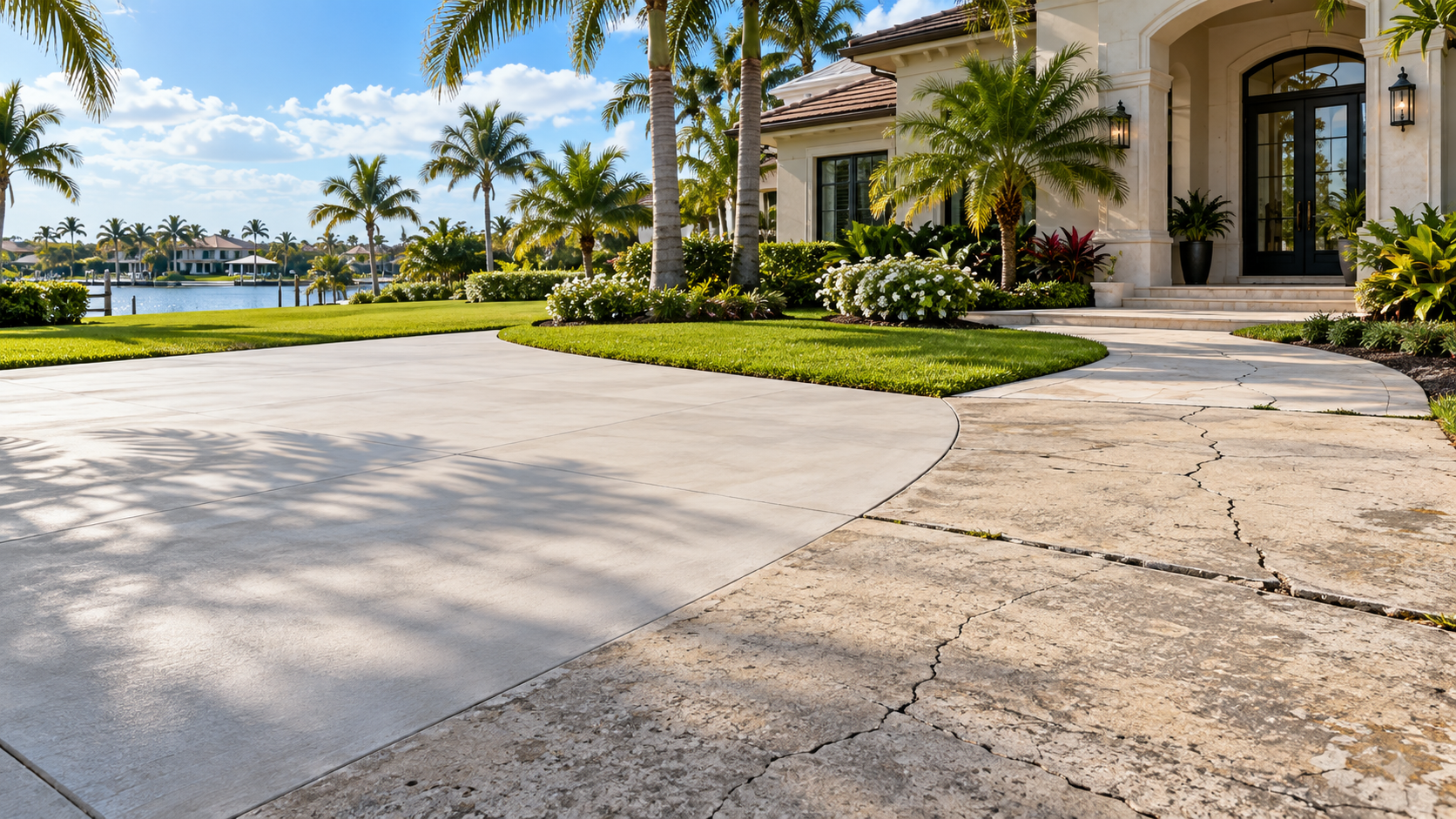
Maintenance can reveal conditions that need more than cleaning, sealing, or joint care. Compare repair, resurfacing, partial replacement, and full replacement when cracking, settlement, drainage problems, recurring damage, or broader deterioration begin to affect the surface.
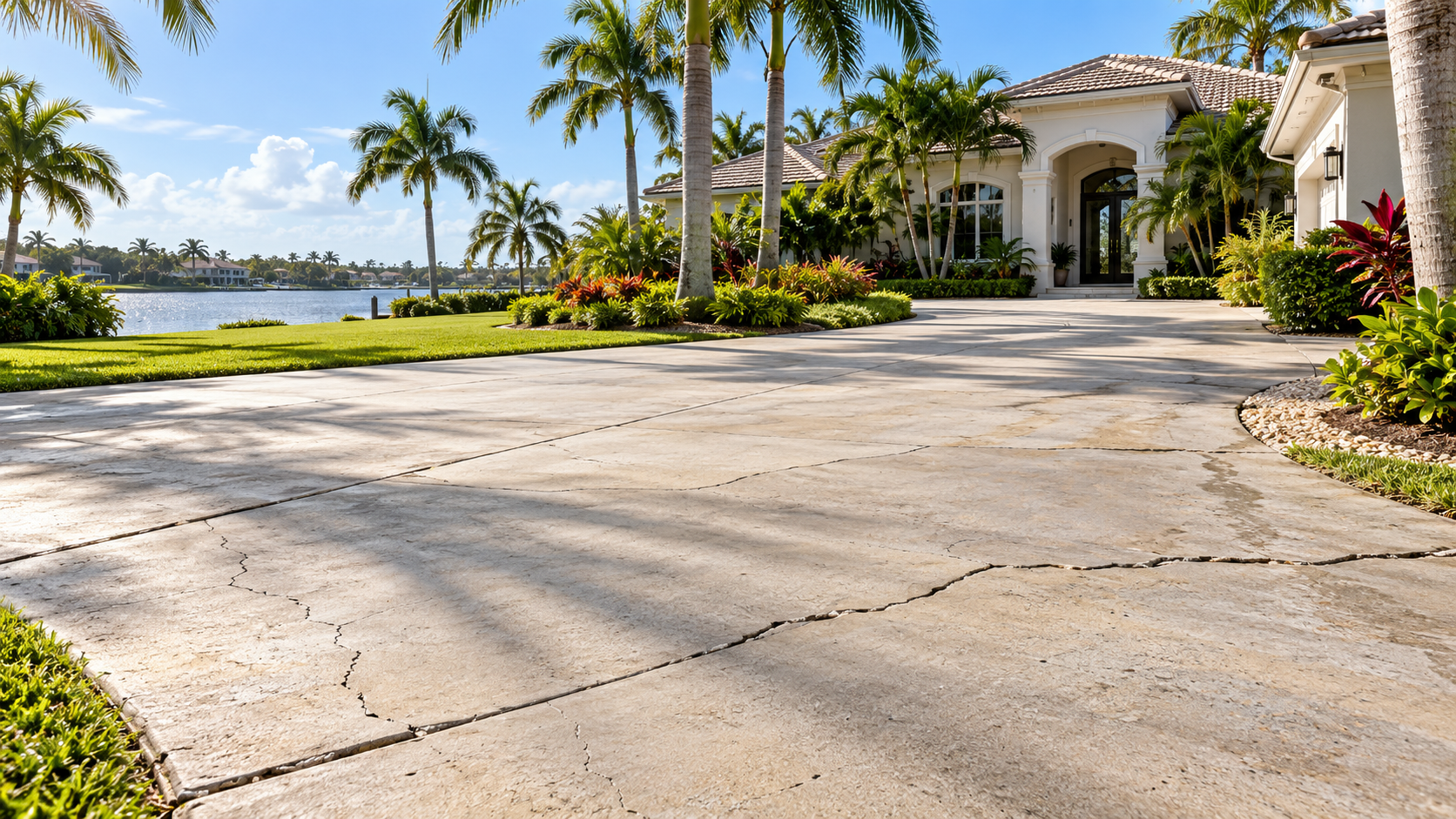
Cracks can point to more than normal surface wear, especially when drainage, joint movement, settlement, or changing moisture conditions are involved. Understanding the cause can help determine whether routine maintenance is enough or whether further repair should be considered.
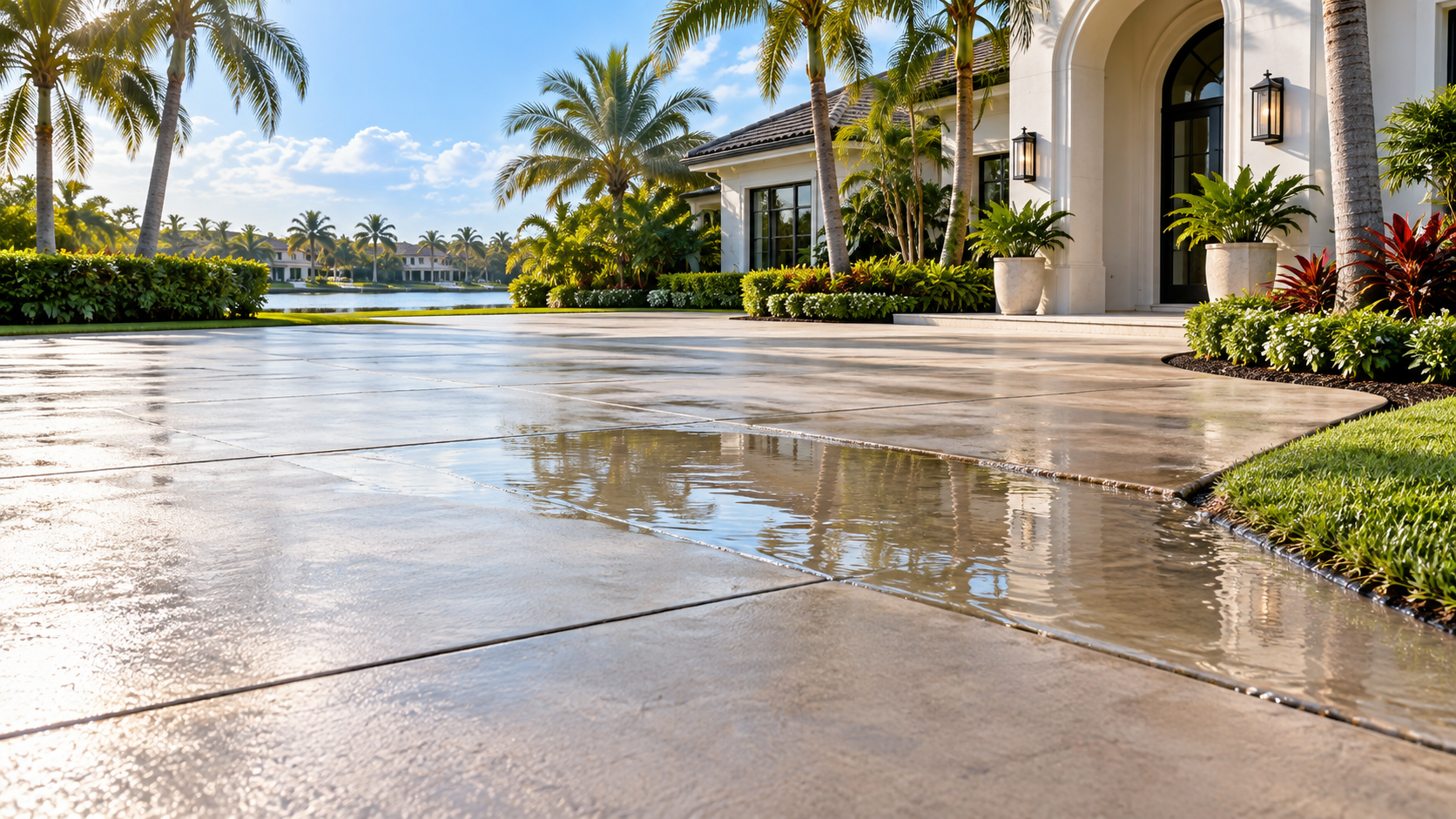
Recurring ponding is not always something cleaning, sealing, or joint maintenance can address. Learn how slope, settlement, runoff, and surrounding grade changes can indicate when a broader drainage or concrete correction should be considered.
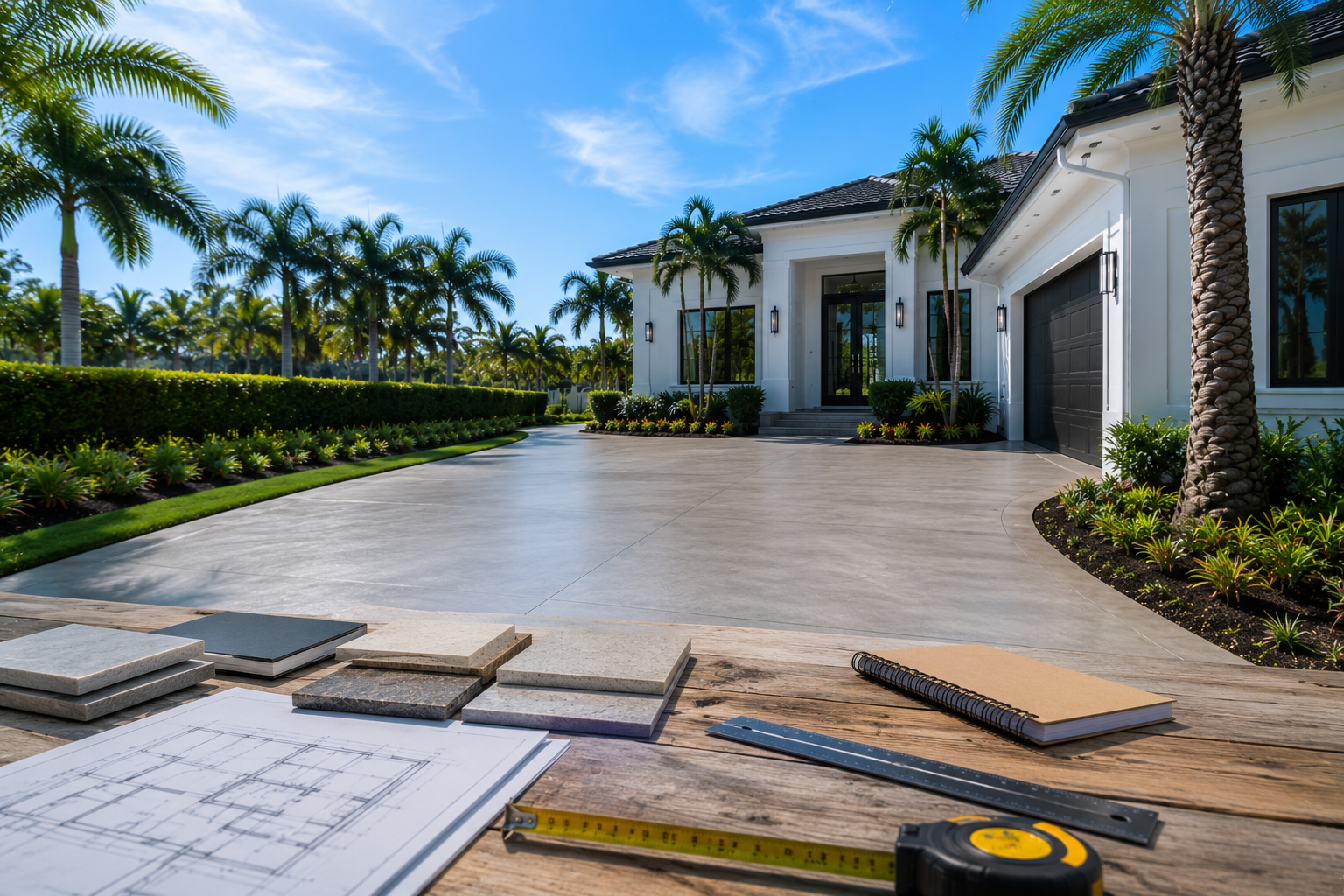
Review the cost factors that can affect maintenance, sealing, repair preparation, surface size, access, condition, protective treatments, and related restoration work before defining the scope.
Request a Concrete Maintenance Estimate in Palm Beach
A maintenance estimate can help determine whether a concrete surface would benefit from cleaning, sealing, resealing, joint care, minor repair, or another protective treatment. The appropriate approach depends on the surface condition, finish, exposure, drainage, previous treatments, and how the area is used.
Submit a request to have your project details routed to an independent local concrete contractor or service provider who may contact you about availability, options, and next steps.
Concrete Maintenance FAQs for Palm Beach Properties
What does professional concrete maintenance usually include?
Concrete maintenance may include cleaning, stain treatment, joint care, surface inspection, protective sealing, minor touch-up work, and recommendations for repair or resurfacing when appropriate. The specific services depend on the type of surface, its condition, and how it is used.
Does every concrete surface need to be sealed?
Not every concrete surface needs the same type of sealer or the same maintenance schedule. The right approach depends on the finish, sun exposure, rainfall, moisture exposure, traffic level, decorative details, and the condition of the existing concrete.
Can maintenance improve the appearance of older concrete?
Yes. Cleaning, surface preparation, sealing, joint care, and targeted restoration can often improve the appearance of suitable concrete. When the surface has more significant deterioration, a professional can help determine whether repair, resurfacing, or replacement is the more practical option.
How is maintenance different from concrete repair?
Maintenance focuses on preserving a suitable concrete surface through cleaning, sealing, inspections, and routine care. Repair addresses specific concerns such as cracking, chips, localized damage, surface wear, or uneven areas that require restoration work.
Can stamped or decorative concrete be maintained?
Yes. Stamped and decorative concrete can be maintained through cleaning, surface protection, joint care, and finish-appropriate sealing. Because these surfaces may include color, texture, borders, scoring, or patterns, the maintenance plan should be matched to the specific finish.
How often should concrete be sealed in Palm Beach?
Concrete sealing schedules can vary based on the surface type, finish, sun exposure, moisture, traffic level, staining risk, and previous maintenance history. In Palm Beach, strong sun, humidity, rainfall, irrigation, pool-area moisture, and outdoor use can all affect how quickly a sealer wears down.
Stamped and decorative concrete may need more careful sealing and maintenance than standard broom-finished concrete because the color, texture, pattern, or surface finish is part of the appearance. The surface condition, finish, exposure, and previous sealer should be reviewed before deciding whether cleaning, resealing, repair, or another maintenance step is appropriate.