Stamped Concrete Installation in Palm Beach
Patterned & Textured Finishes for Patios, Driveways & Walkways
Palm Beach Concrete helps route stamped concrete project requests to independent local concrete contractors or service providers who may review the surface type, intended use, layout, pattern and color goals, drainage, traffic, traction needs, access, and maintenance expectations.
Stamped concrete is a decorative concrete option used on patios, driveways, walkways, entry areas, courtyards, poolside spaces, and other visible outdoor surfaces. Pattern, texture, color, borders, and layout can be selected to create different design effects while keeping the project within a poured-concrete system.
The finish also needs to work with the conditions of the property. Site preparation, drainage, joint placement, curing, surface texture, traction, sealing, sun exposure, rainfall, pool-area moisture, and long-term care can all affect how a stamped surface looks and performs after installation.
Request an Estimate
Have photos, drawings, or project notes? You can attach them through the form or send additional details to estimates@palmbeachconcrete.net
We will get back to you as soon as possible.
Please try again later.
What Stamped Concrete Can Help You Accomplish
Stamped concrete is commonly used to:
Upgrade patios, driveways, walkways, entry areas, and outdoor living spaces
Create the appearance of stone, brick, slate, tile, wood, or other textured materials
Improve curb appeal and give exterior surfaces a more finished appearance
Add usable outdoor space for dining, seating, entertaining, or recreation
Replace aging or outdated hardscape surfaces with a more customized design
Coordinate driveways, patios, walkways, and landscape features
Support renovation, remodeling, and new-construction projects
Increase long-term property appeal through a durable decorative upgrade
The right stamped concrete solution depends on your property layout, intended use, budget, desired pattern and color, drainage needs, and maintenance expectations.
Decorative concrete is the broader finish category that includes stamped surfaces along with color, scoring, borders, textures, overlays, and other treatments. This service is useful when comparing stamping with a wider range of design options for visible concrete areas.
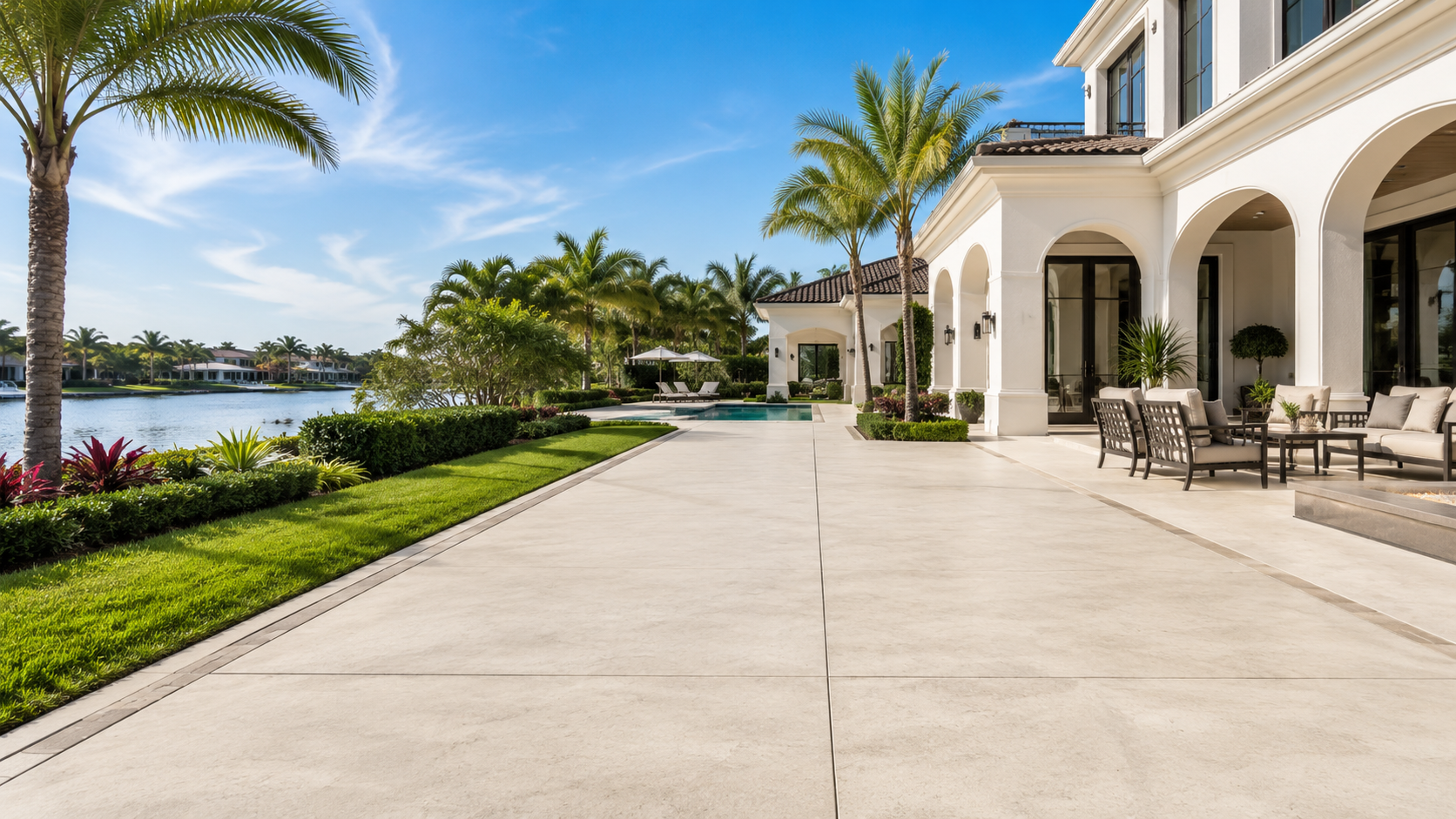
Related Concrete Options for Stamped Concrete Projects
Stamped concrete is often planned alongside patios, driveways, walkways, decorative finishes, and maintenance needs because pattern, color, drainage, sealing, surface use, and long-term care all affect the final result.
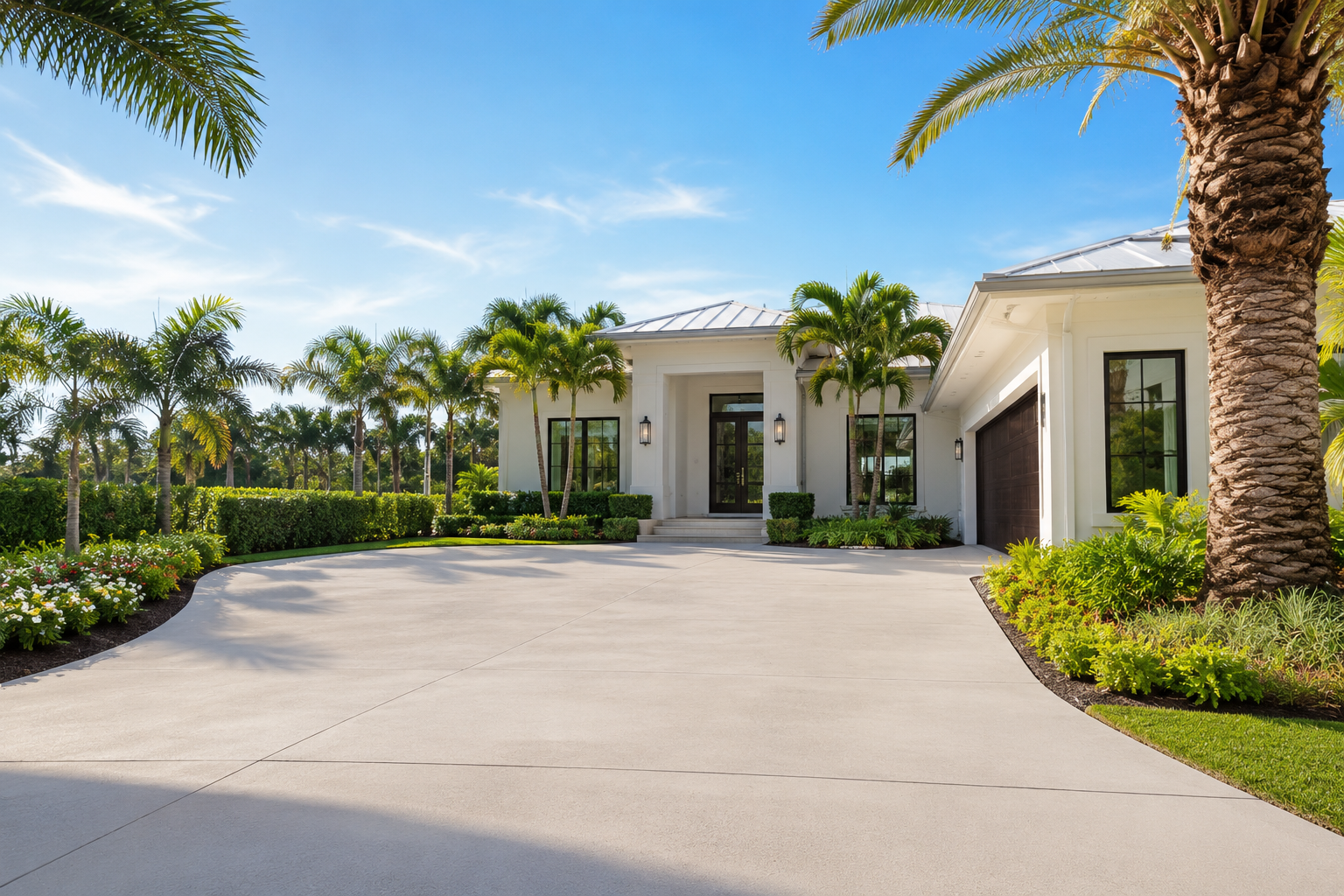
Stamped concrete can be used when a driveway needs both regular vehicle functionality and a more pronounced pattern or texture. Driveway use, grading, drainage, joint placement, traction, finish selection, and sealing should all be considered before the stamped design is finalized.
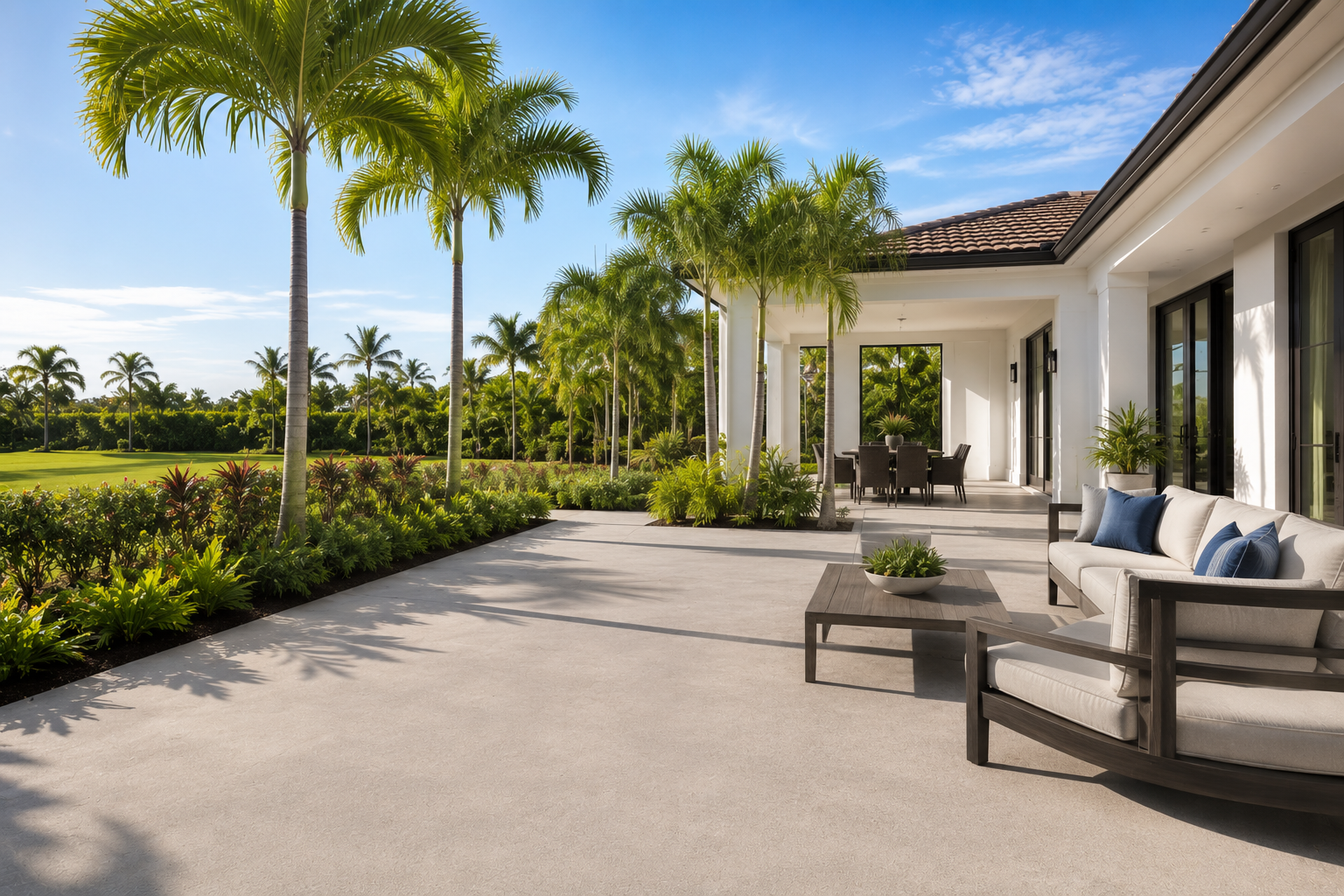
Patios are a natural application for stamped concrete where outdoor living and decorative design overlap. Pattern, color, furniture use, pool proximity, drainage, traction, landscaping, and connections to adjoining hardscape can all influence the finished design.
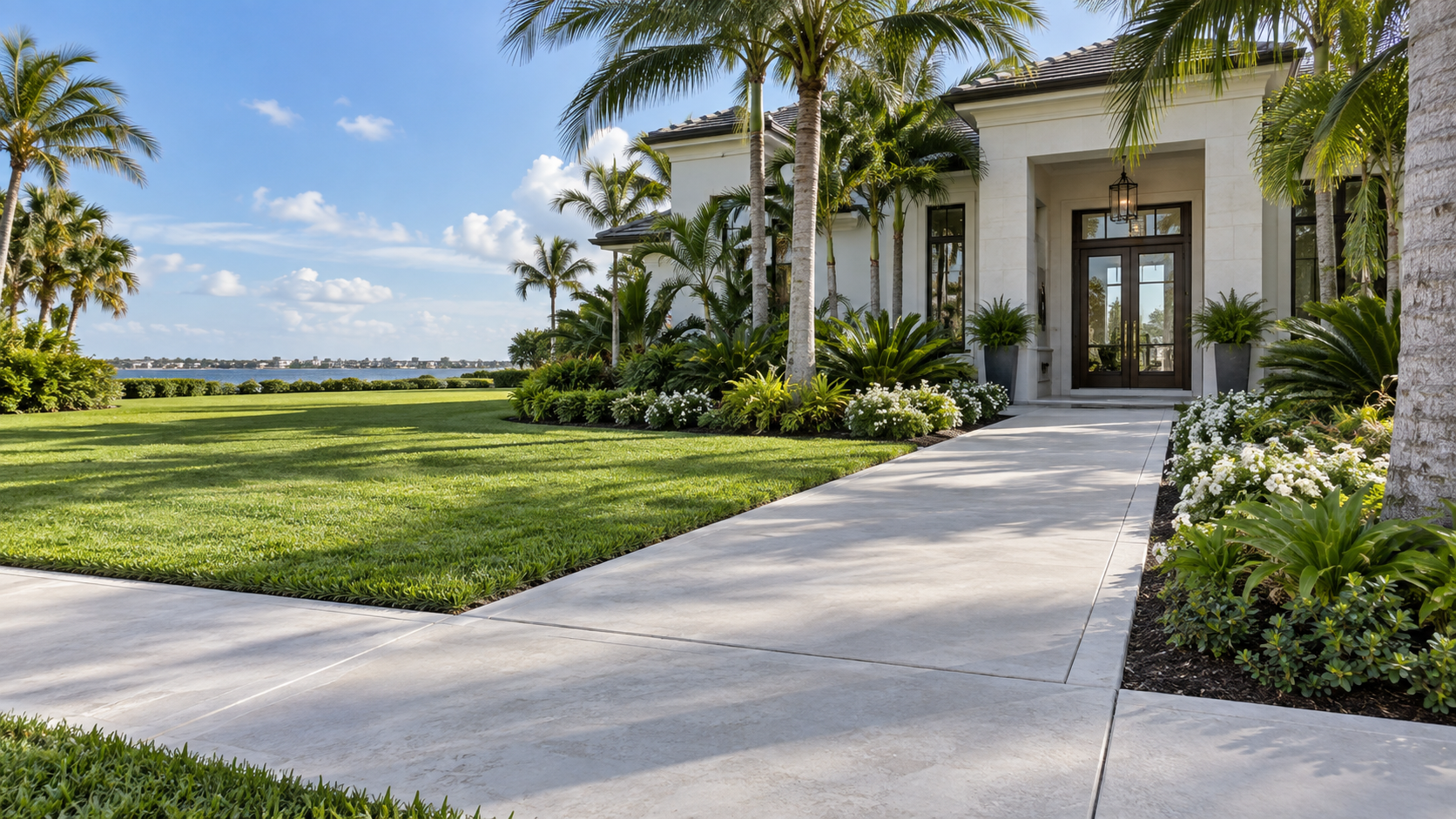
Walkways and entry paths are natural applications for stamped concrete when pattern and texture are part of the design. Pattern scale, color, traction, drainage, joint placement, sealing, and connections to patios or driveways should all be considered together.
Decorative concrete is the broader finish category that includes stamped surfaces along with color, scoring, borders, textures, overlays, and other treatments. This service is useful when comparing stamping with a wider range of design options for visible concrete areas.
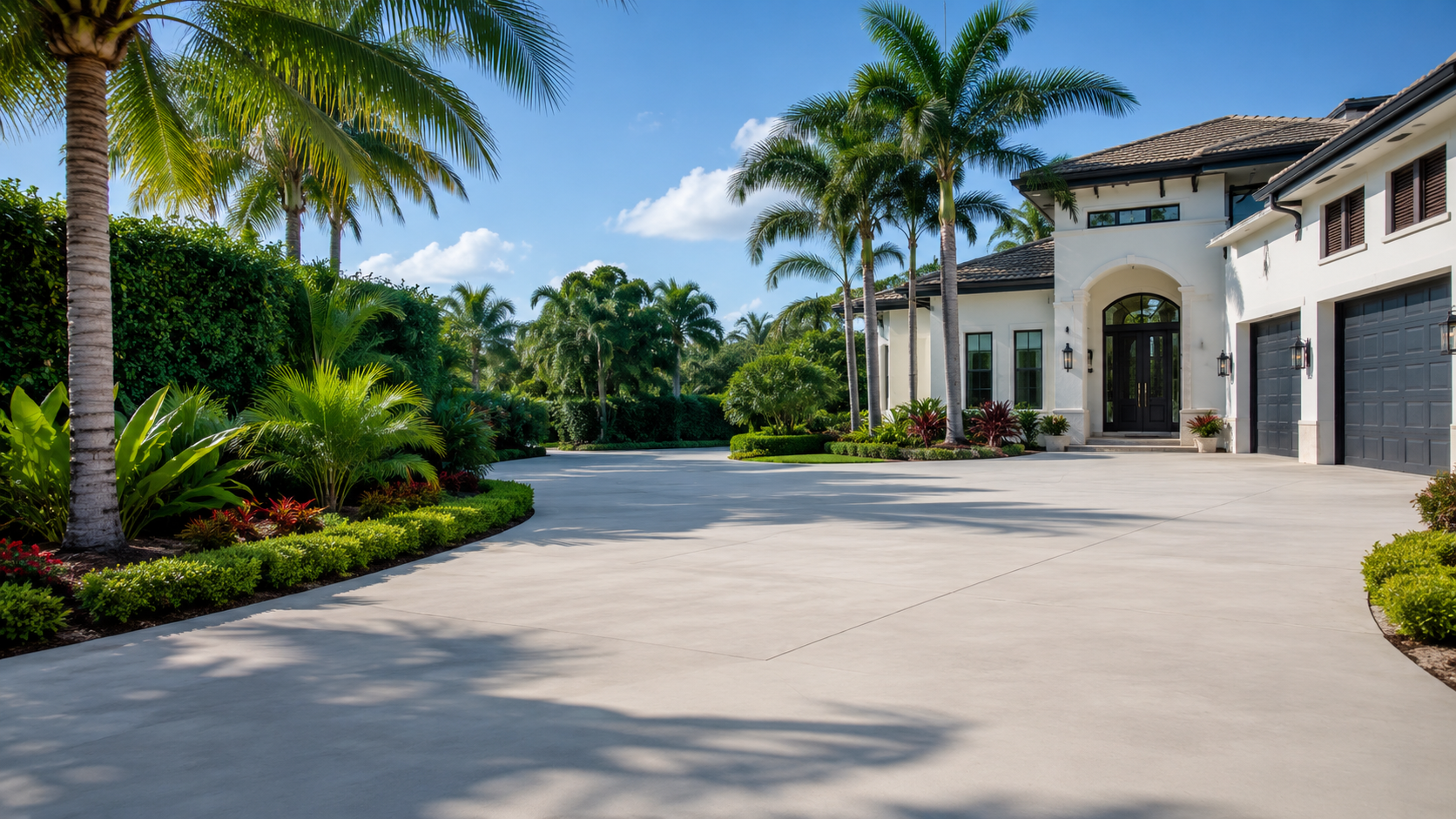
Existing concrete should be evaluated before a stamped or decorative upgrade is assumed to be suitable. Cracking, movement, spalling, drainage-related deterioration, coatings, and surface condition may require repair, resurfacing, preparation, or replacement first.
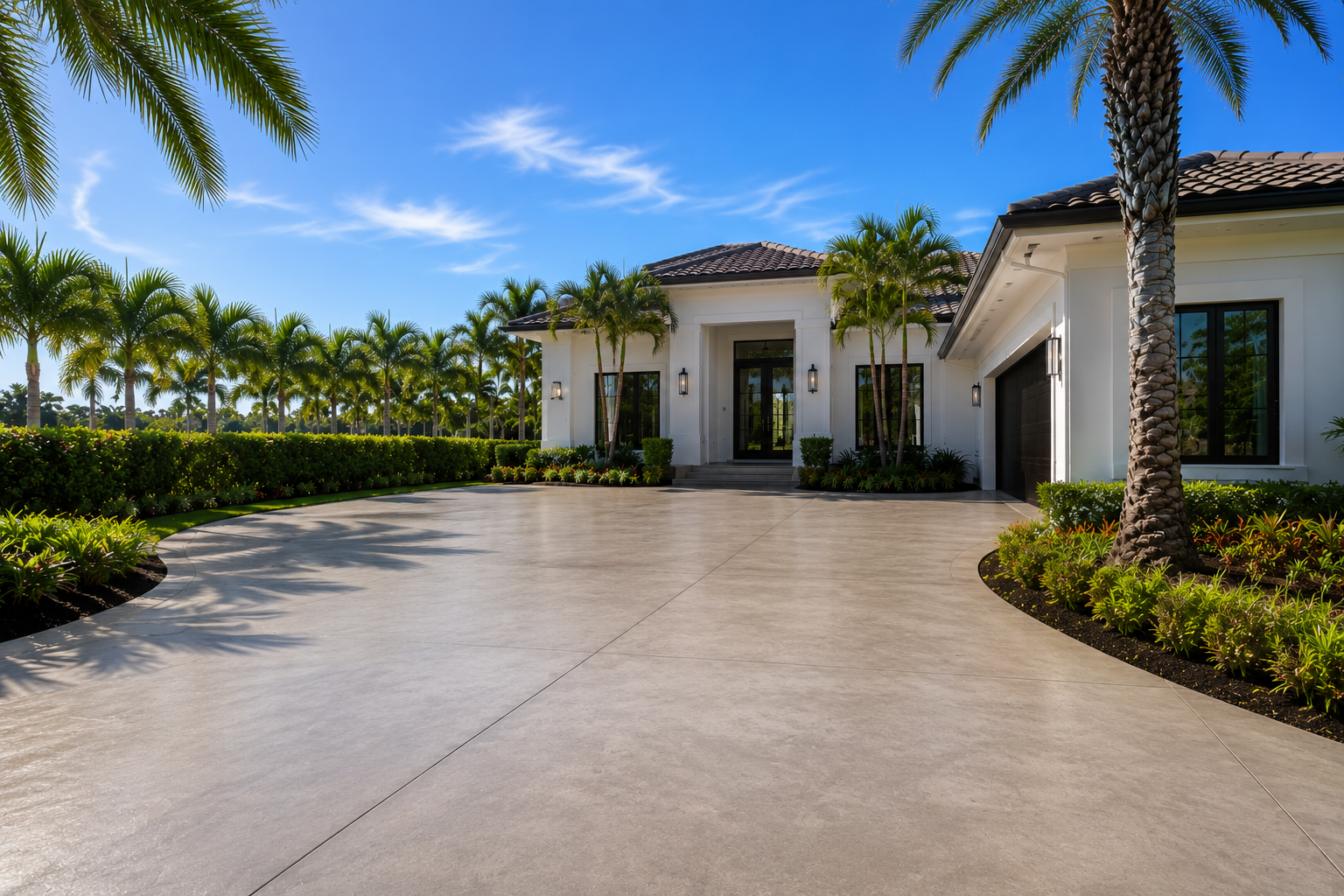
Stamped surfaces need care that reflects pattern, color, texture, traffic, drainage, sun and moisture exposure, and the protective treatment used. Cleaning, joint care, surface protection, and resealing where appropriate can help preserve the appearance of the finish.
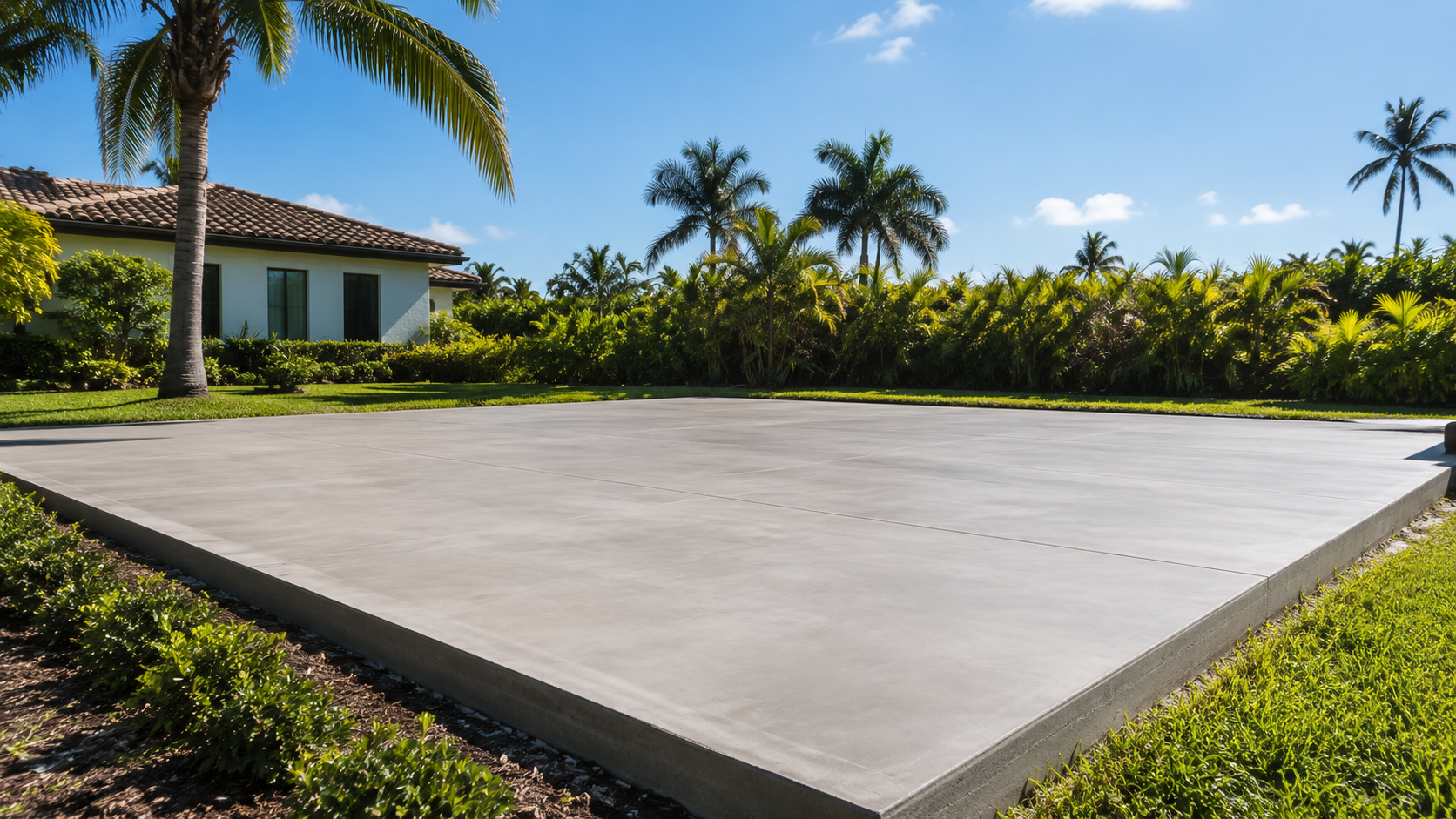
Some projects need a straightforward functional concrete surface rather than a decorative finish. Concrete slabs can provide a base for sheds, equipment, storage, outdoor structures, and other property uses.
02
How Stamped Concrete Installation Is Planned
With stamped concrete, appearance and surface performance need to be considered together. Pattern, color, texture, drainage, traction, site preparation, and sealing can all influence how the finished surface looks, feels, and performs in everyday use.
Pattern Goals, Surface Use, and Design Planning
The project begins with a discussion of your goals, preferred use of the area, desired patterns, colors, texture, budget range, and timeline. This helps determine whether stamped concrete is the right choice for a patio, driveway, walkway, entry area, or other exterior feature.
Stamped Concrete Site, Slope, and Surface Review
The property is reviewed for measurements, access, existing surfaces, soil conditions, drainage, slope, utilities, nearby structures, and other factors that may influence the project. Proper preparation is essential before a decorative concrete surface is installed.
Pattern, Color, Texture, and Border Selection
Recommendations are developed based on:
- Property requirements and intended use
- Pattern, texture, color, and border preferences
- Budget considerations
- Local environmental conditions
- Drainage and site-preparation needs
- Traction considerations for the specific surface
- Applicable codes, HOA requirements, and local regulations
This stage may include selecting a pattern style, base color, accent color, joint layout, finish level, and how the stamped surface will connect with surrounding concrete or landscaping.
Concrete Placement, Stamping, Coloring, and Sealing
The project is completed using proper equipment, quality materials, and industry-standard installation methods. This typically includes site preparation, forming, base work, reinforcement where appropriate, concrete placement, color application, pattern stamping, jointing, curing, sealing when appropriate, and final cleanup.
Pattern Review, Curing, and Long-Term Care Guidance
The completed work is reviewed for appearance, pattern consistency, functionality, and overall quality. You should also receive guidance about curing, outdoor use, cleaning, sealing, and long-term care.
The pattern, color, border, and accent details should be selected based on the property style, surrounding hardscape, landscaping, and nearby surfaces. A stamped concrete design should feel intentional within the overall property layout rather than looking disconnected from the driveway, patio, walkway, pool area, or outdoor features.
How Palm Beach Conditions Affect Stamped Concrete Finishes
Stamped concrete projects in Palm Beach should be planned around pattern selection, color, texture, drainage, surface use, sun exposure, moisture, sealing needs, and long-term maintenance expectations
Heat, Sun Exposure, and Color Performance
Palm Beach sun and heat can affect the appearance of stamped concrete over time, especially on surfaces exposed to direct sunlight throughout the day. Pattern choice, color selection, sealer type, and maintenance planning should all be considered when the goal is to preserve the look of the finished surface.
Humidity, Rainfall, and Sealer Wear
Humidity, heavy rainfall, irrigation, and seasonal storms can influence how stamped concrete sealers perform over time. Since the sealer helps protect the color, texture, and surface appearance, stamped concrete should be planned with moisture exposure, resealing expectations, and long-term surface care in mind.
Drainage, Slope, and Surface Texture
Stamped concrete should be installed with proper slope and drainage so water does not collect across patios, walkways, driveways, poolside areas, or outdoor-living surfaces. Surface texture, pattern depth, and finish selection can also affect comfort, traction, cleaning, and everyday usability.
When Repairs Should Be Addressed Before Sealing
Sealing stamped concrete is usually most effective when the surface is clean, stable, and suitable for protection. If the surface has active cracks, flaking, spalling, worn color, loose material, drainage-related damage, uneven areas, or failing previous sealer, those issues may need to be reviewed before resealing. In some cases, repair, resurfacing, color touch-up, joint care, drainage correction, or sealer removal may be needed before a new protective sealer is applied.
Poolside, Patio, and Outdoor-Living Use
Stamped concrete is often used for patios, poolside areas, walkways, and outdoor spaces where appearance and function both matter. These areas should be planned around foot traffic, furniture placement, pool-water exposure, shade, drainage, surface temperature, and the level of texture needed for the intended use.
HOA, Community, and Project Requirements
Some stamped concrete projects may involve HOA review, community design standards, municipal requirements, setbacks, drainage rules, or permitting considerations depending on the location and scope of work. Reviewing these items early can help clarify which patterns, colors, layouts, and project details are practical for the property.
Reviewing these factors early can help protect the appearance of the stamped pattern, support better outdoor performance, and reduce avoidable issues with color changes, sealer wear, runoff, traction, or long-term maintenance.
Is Stamped Concrete Right for Your Property?
Many property owners consider stamped concrete when they want to:
Improve curb appeal with a more customized driveway or entry area
Create an outdoor living space with the visual character of stone, brick, tile, slate, or wood
Upgrade a patio, walkway, poolside area, or courtyard
Coordinate exterior surfaces with landscaping and the home’s architectural style
Replace an aging or plain concrete surface with a more design-focused option
Complete a renovation, backyard project, or new-construction improvement
Add visual interest while retaining a durable concrete surface
An estimate request can help clarify whether stamped concrete, standard concrete, a different decorative finish, resurfacing, repair, or replacement is the best match for the surface and design goals.
Types of Stamped Concrete Projects We Help Facilitate
Stamped concrete projects may involve patios, driveways, walkways, poolside surfaces, border details, accent areas, or full surface replacement and upgrades.
Stamped Concrete Patios
Stamped concrete patios can add texture, pattern, and visual interest to outdoor-living areas while keeping the surface functional for dining, relaxing, and entertaining. Pattern selection, color, border details, drainage, shade, and furniture layout should all be considered during planning.
Stamped Concrete Driveways
A stamped concrete driveway can improve curb appeal while still supporting everyday vehicle access and use. These projects should be planned around driveway layout, surface finish, concrete thickness, drainage, tire wear, and how the pattern complements the home’s exterior style.
Stamped Concrete Walkways
Stamped walkways can create a more finished connection between driveways, entries, patios, gardens, pool areas, and side yards. The best layout should account for foot traffic, transitions, slope, drainage, landscaping, and the surrounding concrete or hardscape features.
Pool Deck and Outdoor Living Surfaces
Stamped concrete may be considered for poolside areas, outdoor kitchens, lounge spaces, and connected backyard features. In Palm Beach County, surface texture, heat exposure, rainfall, slip resistance, sealing, and maintenance expectations should be reviewed carefully for outdoor-use areas.
Stamped Concrete Borders and Accent Areas
Borders, bands, and accent sections can help add custom detail without making the entire surface heavily patterned. These features are often used to define patio edges, driveway borders, walkway transitions, or decorative zones within a larger concrete project.
Stamped Concrete Entryways and Courtyards
Stamped concrete can be used to give entry areas, courtyards, and connecting spaces a more defined visual character. Pattern scale, borders, transitions, drainage, foot traffic, surrounding architecture, and connections to walkways or driveways should all be considered during planning.
Stamped Concrete Replacement or Upgrade Projects
Stamped concrete may be part of a larger replacement or upgrade when an existing surface no longer matches the property’s design goals or intended use. A new installation can improve layout, finish consistency, decorative appeal, drainage planning, and the overall appearance of the outdoor space.
The right stamped concrete approach should account for pattern selection, color, texture, traffic level, drainage, sealing, and how the surface will be maintained over time.
Cost Factors for Stamped Concrete Installation
Stamped concrete pricing can vary depending on:
Total project size and layout
Base preparation, grading, drainage, and reinforcement requirements
Pattern complexity, colors, borders, and custom design details
Intended use, including foot traffic, vehicle traffic, or outdoor-living use
Site access and equipment needs
Sealing, protective finishes, and long-term maintenance considerations
Demolition or removal of an existing surface
Permitting, inspections, HOA approval, or local code requirements that may apply
Because stamped concrete pricing depends on size, preparation, pattern complexity, color choices, sealing, drainage, and site access, estimates can vary significantly.
Benefits of Professional Stamped Concrete Installation
Professionally completed stamped concrete projects often provide:
- A more customized and visually distinctive outdoor surface
- Improved curb appeal and property appearance
- Flexible pattern, texture, and color options
- Durable concrete performance for everyday exterior use
- More functional patios, walkways, driveways, and entertaining areas
- A coordinated look across different hardscape features
- Reduced maintenance concerns when the surface is properly installed and cared for
Stamped concrete can add pattern, texture, and visual character to patios, driveways, walkways, entry areas, and other outdoor surfaces while retaining the practical benefits of a concrete installation. Careful planning for drainage, traction, color, sealing, and long-term maintenance can help the finished surface remain both attractive and functional.
Stamped Concrete Service Areas in Palm Beach County
Stamped concrete project requests are accepted across Palm Beach County, including the communities below. Planning may vary by city, property type, access, drainage, HOA requirements, site conditions, and project scope.
Explore city-specific stamped concrete planning information:
- Stamped Concrete Services in Boca Raton
- Stamped Concrete Services in Boynton Beach
- Stamped Concrete Services in Delray Beach
- Stamped Concrete Services in Greenacres
- Stamped Concrete Services in Jupiter
- Stamped Concrete Services in Lake Worth Beach
- Stamped Concrete Services in North Palm Beach
- Stamped Concrete Services in Palm Beach Gardens
- Stamped Concrete Services in Riviera Beach
- Stamped Concrete Services in Royal Palm Beach
- Stamped Concrete Services in Wellington
- Stamped Concrete Services in West Palm Beach
Helpful Resources for Stamped Concrete Design and Maintenance
Use these resources to compare stamped concrete with decorative finishes, patio applications, cost factors, and maintenance needs before choosing a pattern or finish.
Compare stamped concrete with the broader range of decorative options, including color, scoring, borders, textures, resurfacing, and other finish treatments. This is the logical next page when the design goal is clear but the specific finish has not yet been chosen.
Review patio installation when stamped concrete is being considered for an outdoor-living, dining, poolside, or backyard area. The page connects finish selection with patio layout, drainage, site preparation, furniture use, shade, and surrounding hardscape.
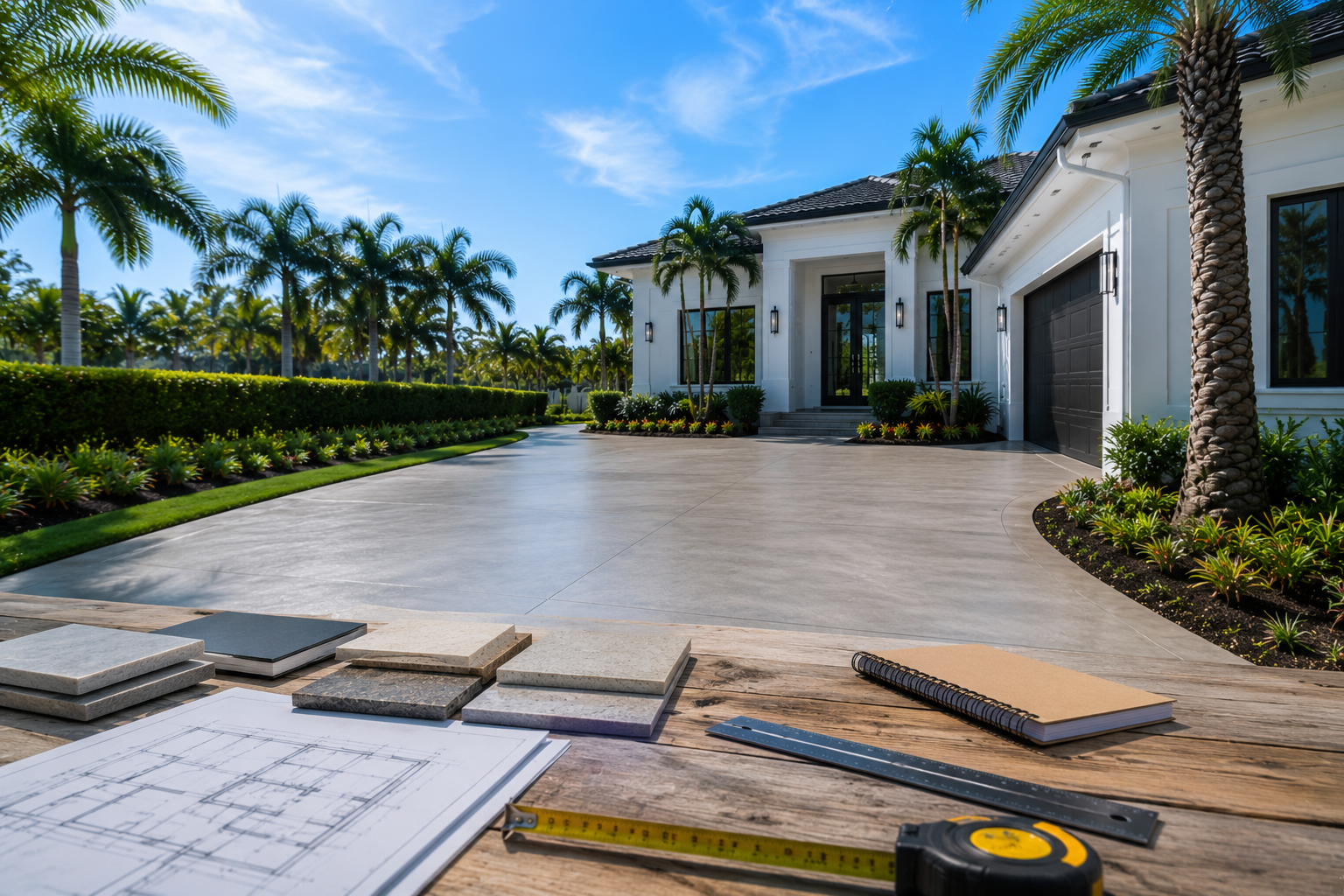
Use the cost guide to understand how area size, preparation, access, pattern complexity, colors, borders, demolition, drainage, and finish requirements can affect a stamped concrete estimate.
Review maintenance and sealing before choosing a stamped finish so long-term care expectations are understood in advance. The page covers cleaning, sealing, surface wear, drainage, sun exposure, and when repair should precede protective treatment.
Request a Stamped Concrete Estimate in Palm Beach
A stamped concrete estimate can help clarify the project area, surface use, preparation requirements, pattern and color options, drainage, traction needs, sealing, and other factors that may affect the finished result. Patios, driveways, walkways, entry areas, courtyards, and poolside surfaces can each require different planning depending on traffic, exposure, layout, and surrounding hardscape.
Submit a request to have your project details routed to an independent local concrete contractor or service provider who may contact you about availability, options, and next steps.
Stamped Concrete FAQs for Palm Beach Properties
What is stamped concrete?
Stamped concrete is concrete that is textured and patterned during installation to create the appearance of materials such as stone, brick, slate, tile, or wood. Color, release agents, borders, and finish choices can further customize the result.
Where can stamped concrete be used?
Stamped concrete is commonly used for patios, walkways, courtyards, entry areas, driveways, poolside spaces, and other exterior hardscape features. The appropriate application depends on the intended use, traffic level, drainage needs, and design goals.
What is the difference between stamped concrete and decorative concrete?
Stamped concrete is a specific decorative technique that creates an imprinted pattern or texture. Decorative concrete is a broader category that may include stamped finishes, color, scoring, staining, borders, overlays, and other visual surface treatments.
Can stamped concrete be used for a driveway?
Yes, stamped concrete can be used for certain driveway projects when the surface is planned around expected vehicle use, proper preparation, reinforcement needs, drainage, joint layout, and a finish appropriate for the property. The driveway should be reviewed for vehicle use, preparation needs, drainage, joint layout, finish requirements, and maintenance expectations before stamped concrete is selected.
How should stamped concrete be maintained?
Stamped concrete should be cleaned regularly, kept clear of debris and standing water, and inspected for wear around joints and edges. The timing and type of protective maintenance will depend on sun exposure, traffic, finish selection, weather exposure, and the specific sealer used.
Is stamped concrete slippery around pools or wet areas?
Stamped concrete can become slippery around pools or wet areas if the surface texture, sealer type, drainage, and maintenance plan are not considered carefully. Poolside areas, patios, walkways, and outdoor surfaces exposed to rain or irrigation should be planned with traction and water movement in mind.
A stamped concrete surface can often be designed with texture, finish selection, sealer choice, and maintenance expectations that better fit wet or outdoor-use areas. The best option depends on the project location, expected foot traffic, pool proximity, drainage, and the level of surface texture desired.