Concrete Repair Services in Palm Beach
Concrete Repair for Cracks, Surface Wear & Deterioration
Palm Beach Concrete helps route concrete repair requests to independent local concrete contractors or service providers who may review the affected surface, visible damage, drainage, movement, base conditions, previous repairs, intended use, and the overall condition of the concrete.
Repair decisions should begin with the cause and extent of deterioration rather than the visible symptom alone. Cracking, settlement, spalling, edge damage, joint deterioration, surface wear, staining, poor runoff, or localized movement can point toward different repair, resurfacing, drainage-correction, partial-replacement, or full-replacement options.
Driveways, patios, walkways, slabs, and decorative surfaces can deteriorate for different reasons, so the appropriate approach depends on the surface type, underlying support, exposure, traffic or load, drainage, and whether the existing concrete remains suitable for restoration.
Request an Estimate
Have photos, drawings, or project notes? You can attach them through the form or send additional details to
We will get back to you as soon as possible.
Please try again later.
What Concrete Repair Can Help You Restore or Improve
Concrete repair is commonly used to:
Restore worn, chipped, cracked, stained, or uneven concrete surfaces
Improve the appearance and usability of driveways, patios, walkways, and slabs
Address surface wear before a full replacement becomes necessary
Prepare existing concrete for resurfacing or decorative upgrades
Improve drainage transitions around concrete areas
Extend the useful life of structurally suitable concrete
Support property renovations, landscaping upgrades, and exterior improvements
Help determine when replacement is a better long-term investment
The right solution depends on the condition of the existing concrete, the cause of the wear, the property layout, intended use, budget, and long-term objectives.
Concrete Services to Consider Before Repair or Replacement
Depending on the condition of the surface and your project goals, repair work may be completed on its own or coordinated with other concrete services.
Repair decisions often depend on whether the existing surface should be restored, resurfaced, maintained, upgraded, or replaced as part of a broader concrete project.
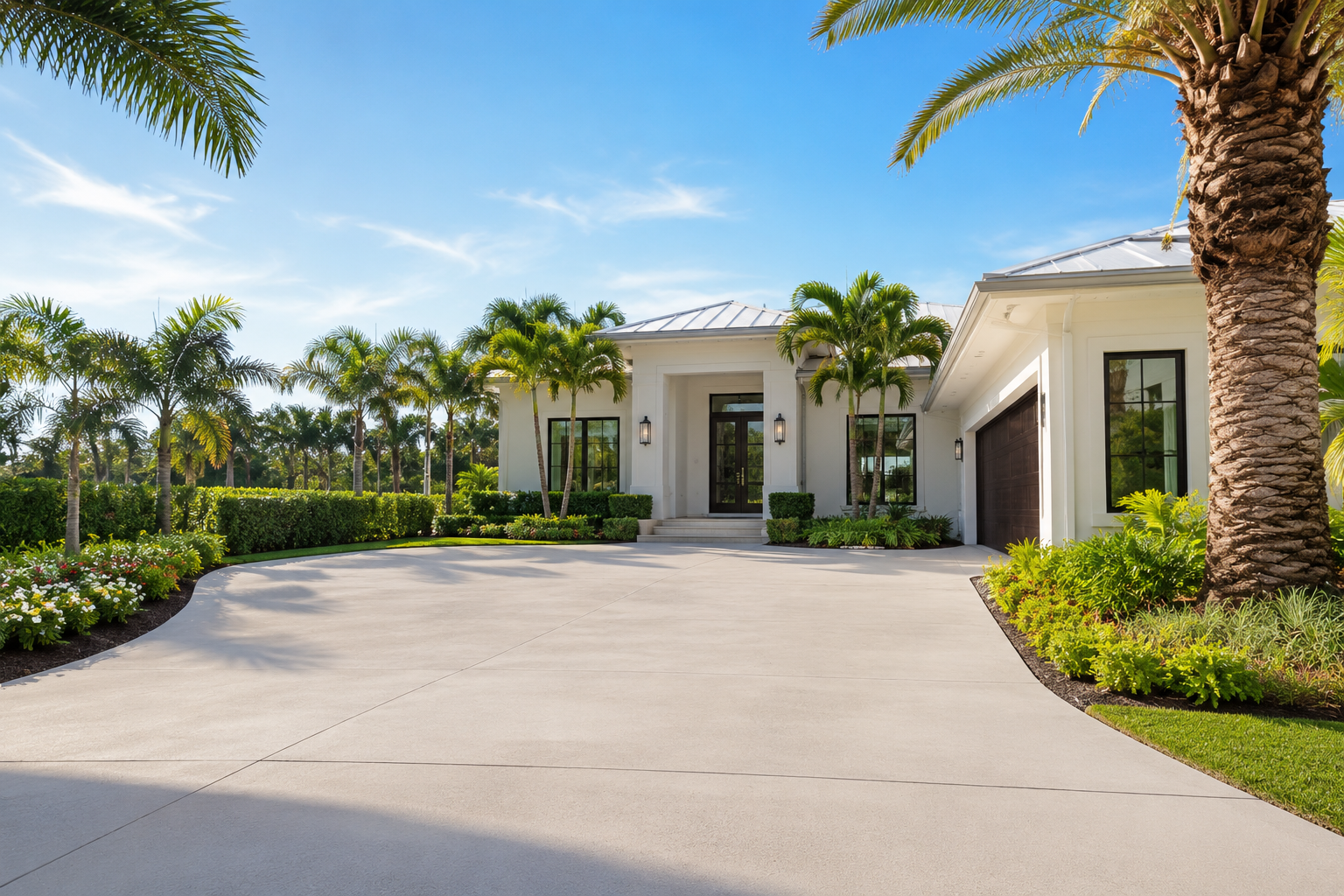
Driveway damage should be evaluated in the context of vehicle use, drainage, joints, settlement, base support, and the overall condition of the surface. Where deterioration is extensive or the layout no longer works for the property, replacement or reconfiguration may be more practical than repeated localized repair.
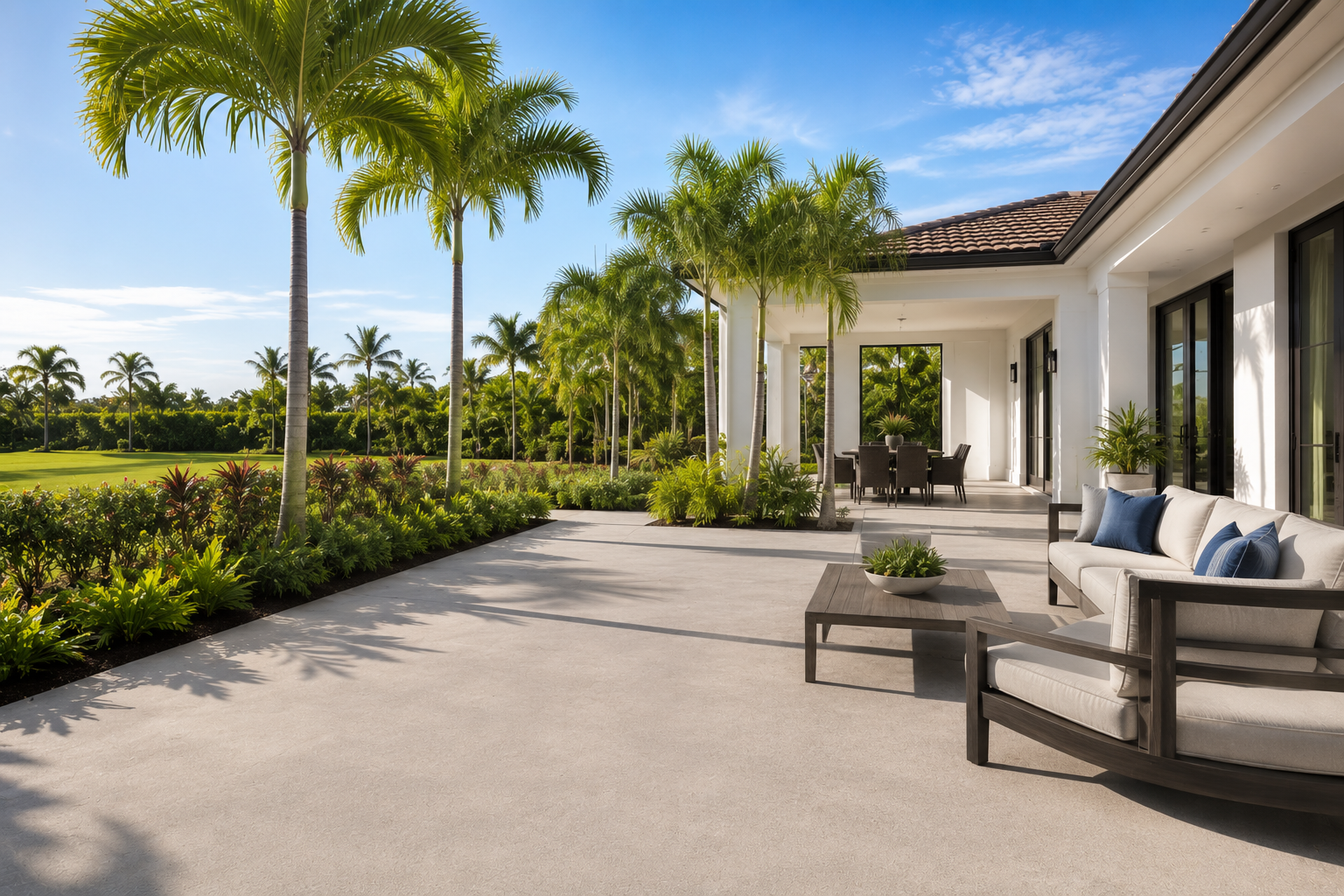
Patio repair may address cracking, surface wear, staining, localized damage, or deterioration in an otherwise usable outdoor-living area. If the concrete remains suitable for restoration, repair or resurfacing may also create an opportunity to update the finish or improve how the patio connects with surrounding surfaces.
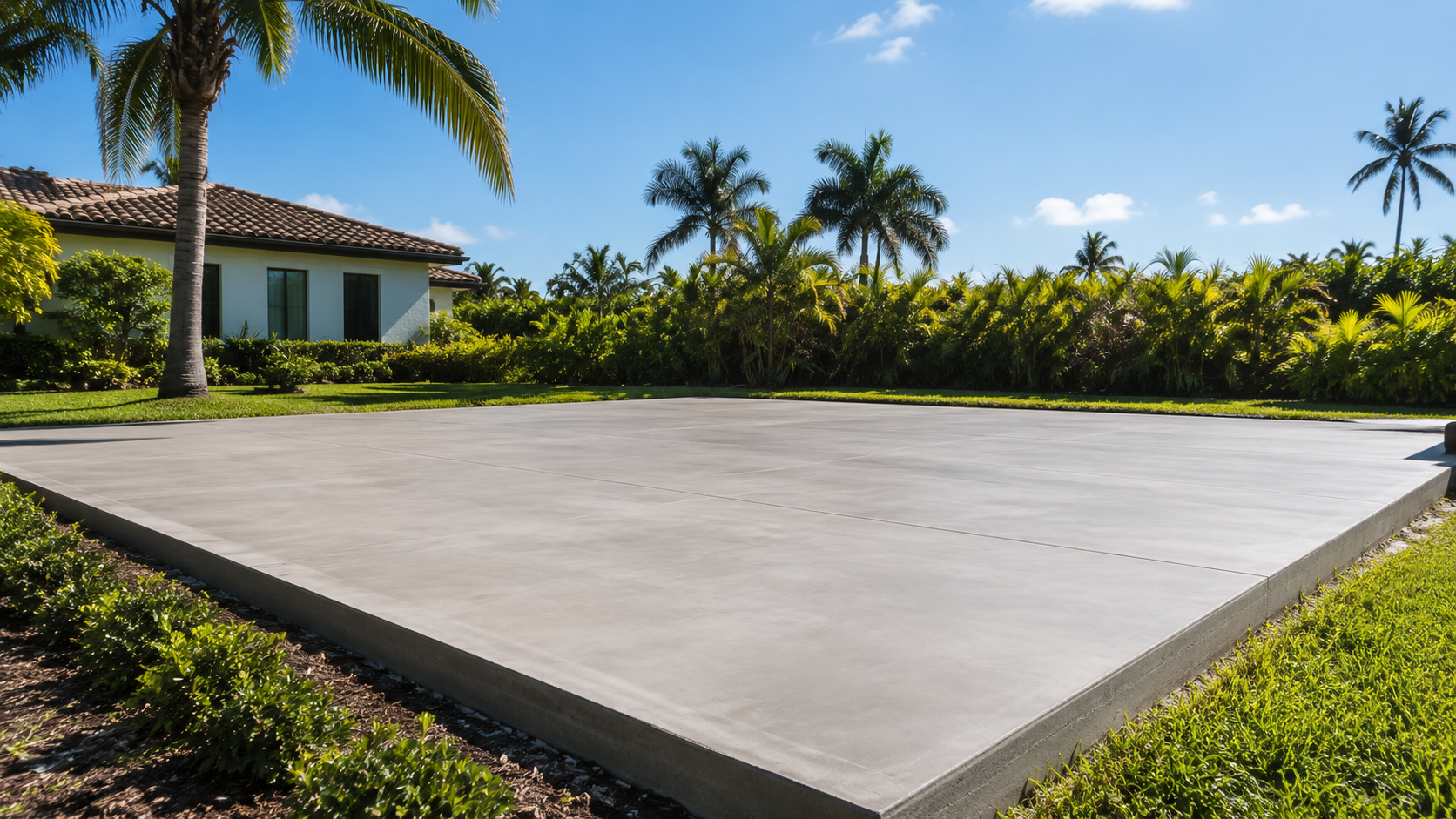
Slab repair decisions depend on the intended use, expected load, settlement, drainage, cracking, and whether the underlying concrete remains suitable for restoration. Significant movement, changed load requirements, or broader deterioration may point toward partial or full replacement instead.
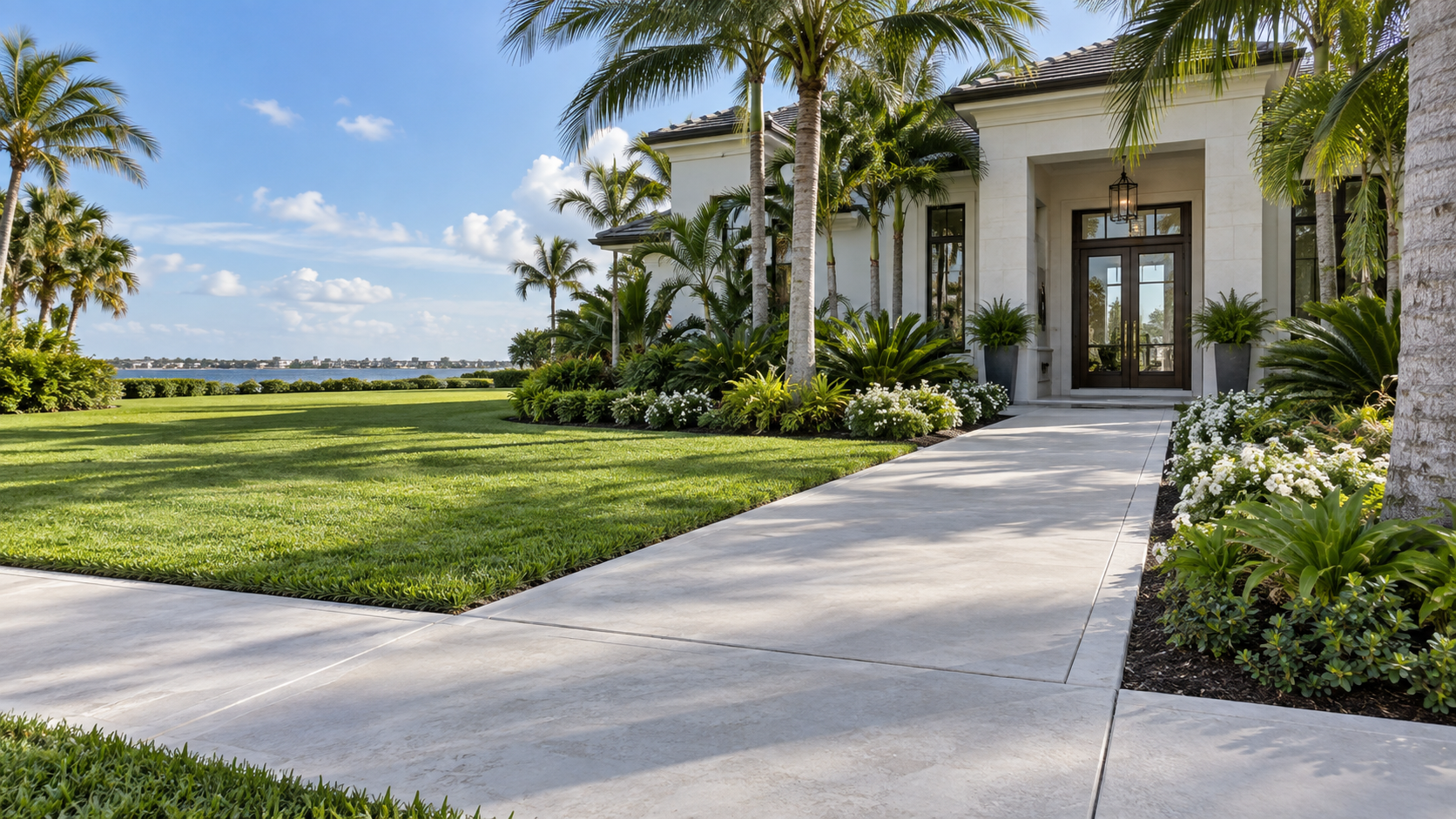
Walkways are common areas for cracking, settlement, surface wear, and drainage-related deterioration. Reviewing the walkway as a complete pedestrian surface can help determine whether localized repair, resurfacing, partial replacement, or a new layout is the more practical direction.
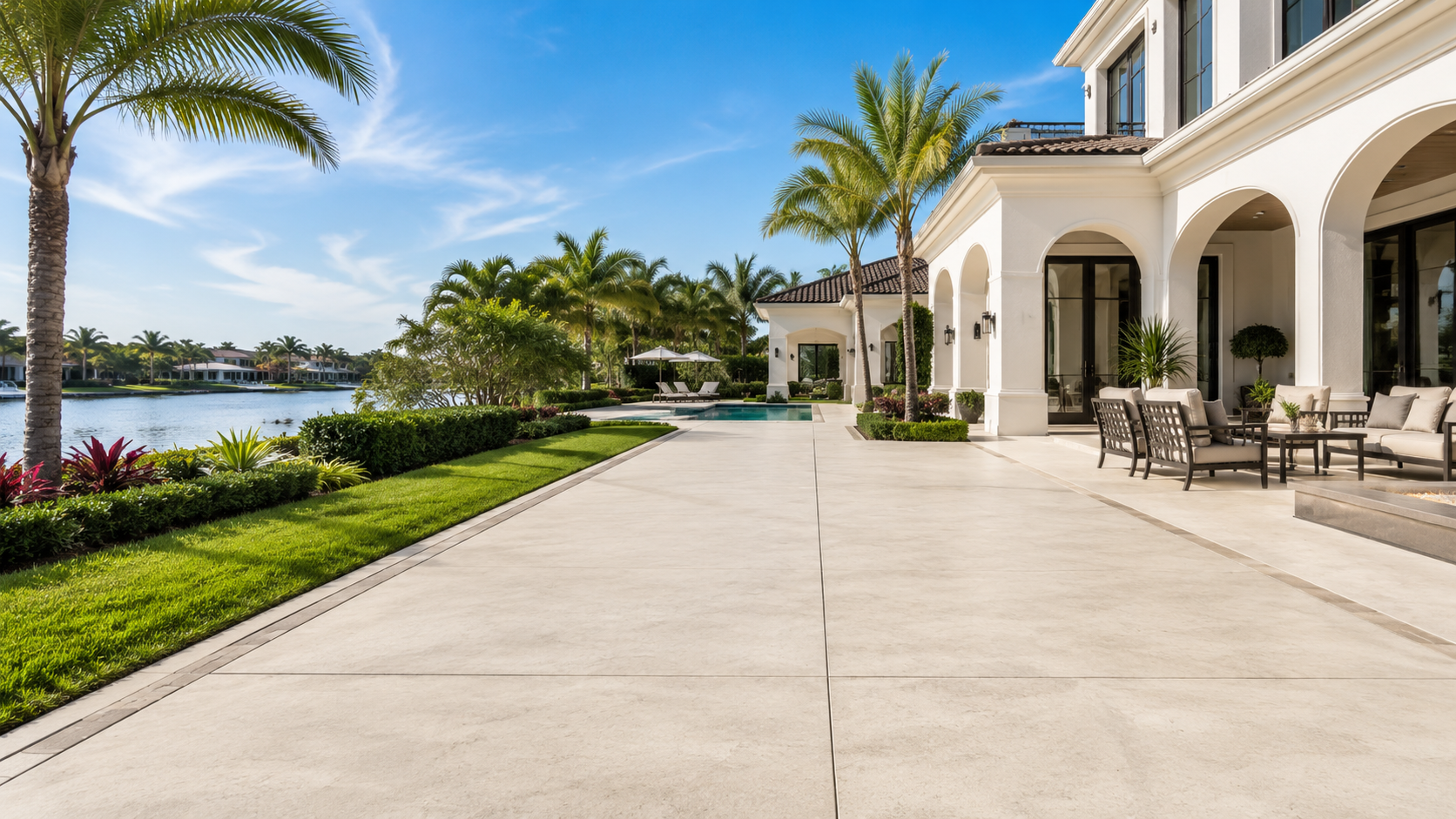
Repair or resurfacing may provide an opportunity to improve the appearance of structurally suitable concrete through color, texture, scoring, borders, or another decorative treatment. Surface stability, drainage, cracking, coatings, and preparation should be evaluated before a decorative finish is selected.
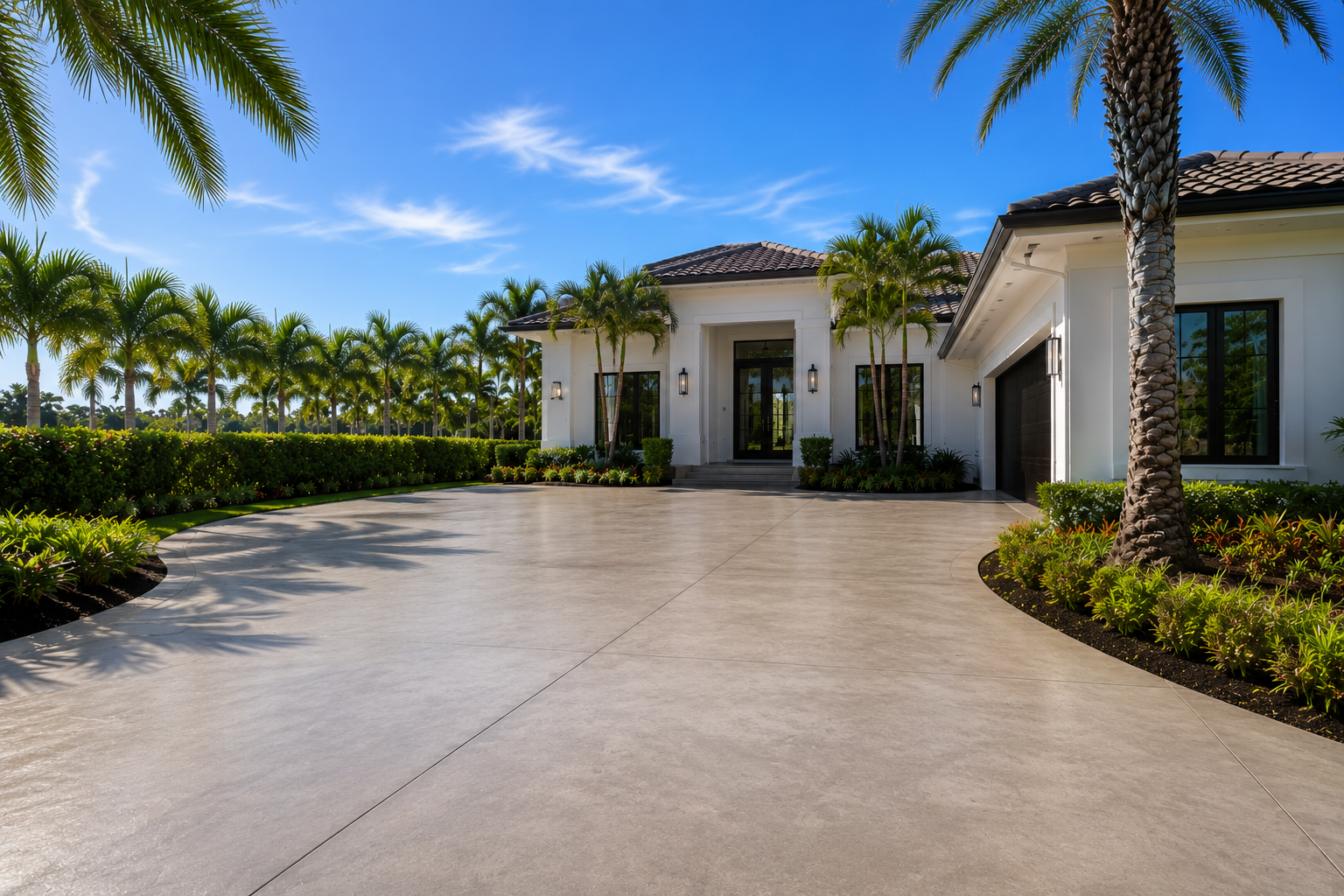
Maintenance becomes important after repair or resurfacing because cleaning, sealing where appropriate, joint care, runoff management, and early attention to new wear can help protect the restored surface. The care approach should be matched to the repair method and finish.
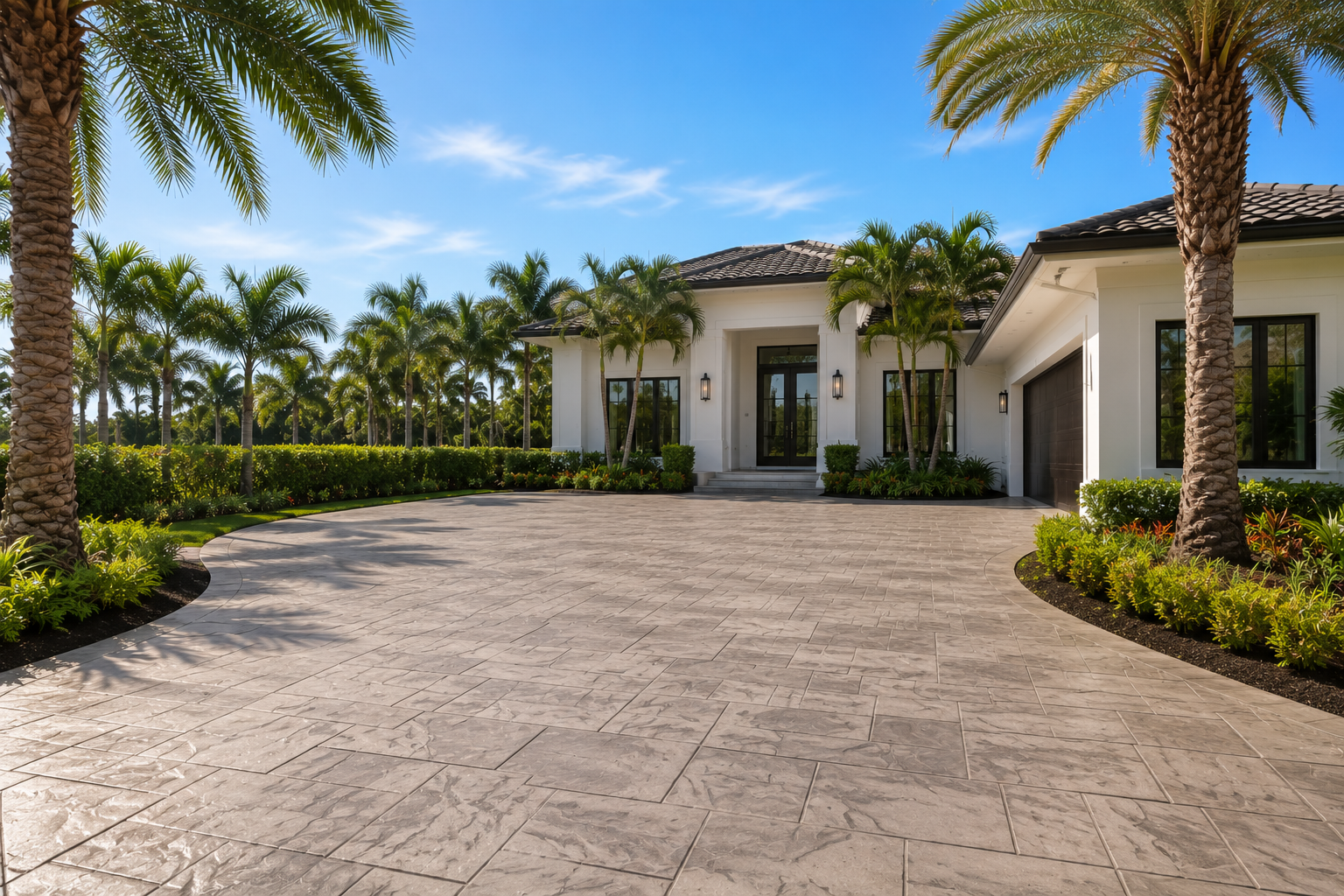
If damaged concrete is being replaced or a repaired area connects with more visible outdoor hardscape, stamped concrete can provide a decorative option for patios, walkways, entries, and other replacement surfaces.
01
02
How Concrete Repair Options Are Evaluated
Concrete repair starts with understanding what is happening to the existing surface and what may be causing the damage. Cracking, movement, drainage, surface wear, and the condition of the concrete can help determine whether repair, resurfacing, or replacement is the more practical approach.
Surface Condition and Repair Goals Review
The process begins with a discussion of the affected area, the intended use of the surface, visible concerns, project goals, budget range, and whether you are considering repair, resurfacing, or replacement.
Crack, Movement, Drainage, and Repair Suitability Evaluation
The concrete area is reviewed for cracking, surface wear, movement, drainage, slope, joints, access, nearby structures, and other conditions that may affect the repair approach. This evaluation helps determine whether the existing surface is a realistic candidate for restoration.
Repair, Resurfacing, or Replacement Recommendations
Recommendations are developed based on:
- Overall condition of the concrete
- Size, location, and type of surface concern
- Intended use and expected traffic
- Budget considerations
- Local environmental conditions
- Drainage and site-preparation needs
- Decorative finish or resurfacing goals
- Applicable codes, permits, HOA requirements, or inspection considerations
This stage helps distinguish between a targeted repair, resurfacing project, leveling approach, partial replacement, or full replacement.
Concrete Repair, Restoration, and Surface Protection
The work is completed using appropriate equipment, materials, and professional repair methods. Depending on the project, this may include surface preparation, cleaning, crack treatment, patching, joint repair, localized removal, resurfacing, finishing, protective sealing, or replacement of damaged areas.
Repair Review, Drainage Check, and Care Guidance
The completed work is reviewed for appearance, functionality, drainage awareness, and overall quality. You should also receive guidance about curing, cleaning, sealing, traffic use, and long-term maintenance.
How Palm Beach Conditions Affect Concrete Repair Decisions
Concrete repair decisions in Palm Beach should be based on the condition of the existing surface, the cause of the damage, drainage patterns, movement, sun exposure, moisture, and whether repair or replacement offers the better long-term result.
Heat, Humidity, and Repair Materials
Palm Beach heat and humidity can affect repair timing, patching materials, surface preparation, curing, and protective treatments. Planning repairs around weather conditions can help improve adhesion, finish quality, and the long-term performance of the repaired concrete.
Sandy Soil, Settlement, and Surface Movement
Sandy or variable soil conditions can contribute to settlement, shifting, uneven support, and recurring surface movement beneath existing concrete. When this is part of the problem, the repair approach should consider whether the issue is only cosmetic or whether underlying base or soil conditions also need attention.
Heavy Rainfall, Drainage, and Surface Deterioration
Heavy rainfall and seasonal storms can affect runoff, joint performance, erosion, and how water collects around concrete surfaces. If drainage problems are contributing to cracking, staining, settling, or surface wear, those conditions should be reviewed as part of the repair decision rather than treating only the visible damage.
Sun Exposure, Moisture, and Long-Term Wear
Strong sun exposure, humidity, and regular moisture can gradually affect the appearance and performance of concrete surfaces over time. Fading, surface wear, staining, minor deterioration, and protective-sealer breakdown may all influence whether the best solution is cleaning, patching, resurfacing, sealing, or more extensive restoration.
Permit, HOA, and Project-Specific Requirements
Some concrete repair projects may involve HOA review, municipal requirements, drainage rules, or permitting considerations depending on the location and scope of work. Reviewing these requirements early can help avoid delays and clarify whether the project should be treated as a simple repair or a larger improvement project.
Reviewing these factors early can help determine whether targeted repair, resurfacing, leveling, drainage correction, or replacement is the most practical long-term solution for the property.
Is Concrete Repair Right for Your Property?
Many property owners consider concrete repair when they want to:
Improve the appearance of worn, stained, cracked, or chipped concrete
Restore a driveway, patio, walkway, slab, or other usable surface
Prepare an existing area for resurfacing or decorative concrete
Address localized surface concerns without immediately replacing the entire area
Improve drainage transitions or reduce trip hazards caused by uneven sections
Complete a renovation, landscaping project, or exterior property upgrade
Understand whether restoration or replacement is the more practical investment
An estimate request can help clarify whether targeted repair, resurfacing, leveling, partial replacement, drainage correction, or full replacement is the most practical next step.
Types of Concrete Repair Projects We Help Facilitate
Repair projects may involve localized restoration, resurfacing, crack repair, surface correction, or evaluating whether replacement is the better long-term choice.
Driveway Concrete Repair
Driveway repair may involve addressing surface wear, cracking, uneven areas, edge deterioration, or sections affected by drainage and daily vehicle use. The best approach depends on the condition of the existing concrete, base support, access needs, and whether repair, resurfacing, or replacement offers the better long-term value.
Patio Concrete Repair
Concrete patios can develop surface wear, settlement, discoloration, or cracking over time, especially in outdoor areas exposed to sun, rain, furniture, and regular use. Repair planning should consider drainage, surface finish, surrounding landscaping, and how the patio connects to the home, pool area, walkway, or outdoor-living space.
Walkway and Entryway Repair
Walkways and entry areas should remain functional, visually clean, and easy to navigate. Repair work may focus on improving surface condition, transitions, edges, drainage, or appearance where concrete connects driveways, patios, front entries, side yards, or other frequently used areas.
Concrete Resurfacing
Resurfacing may be an option when the existing concrete is still structurally suitable but the surface appearance has worn down. This approach can help refresh driveways, patios, walkways, or other exterior concrete areas while also allowing property owners to consider updated finishes, textures, or decorative surface options.
Crack and Surface Repair
Cracks, chips, spalling, and surface imperfections should be evaluated based on size, location, movement, drainage conditions, and the overall condition of the concrete. Some issues may be suitable for targeted repair, while others may indicate the need for broader resurfacing or replacement planning.
Drainage-Related Concrete Damage
Concrete damage is sometimes connected to standing water, poor runoff, soil movement, edge washout, or drainage patterns around the surface. When drainage contributes to cracking, settling, staining, or surface deterioration, the repair plan should consider whether grading, runoff control, joint care, or replacement planning is needed.
Concrete Joint and Edge Repair
Joints, slab edges, transitions, and perimeter areas can deteriorate from movement, runoff, repeated traffic, moisture, or loss of support. Repair planning should consider whether the damage is localized, whether adjoining concrete remains stable, and whether drainage, joint treatment, or partial replacement should be addressed at the same time.
The right repair approach should account for the cause of the damage, surface condition, drainage, movement, appearance goals, and whether restoration or replacement offers better long-term value.
Cost Factors for Concrete Repair
Concrete repair pricing can vary depending on:
Size and number of areas being repaired
Surface preparation, demolition, or removal needs
Condition of the existing surface
Drainage, grading, joint, or base-condition corrections
Type of repair, resurfacing, leveling, or replacement needed
Decorative finish, color-matching, or sealing requirements
Site access and equipment requirements
Permitting, inspection, HOA, or local-code considerations that apply to the project
Because repair pricing depends on surface condition, damage type, preparation needs, access, drainage, and whether resurfacing or replacement is involved, estimates can vary widely.
Benefits of Professional Concrete Repair
Professionally completed concrete repair projects can provide:
- Improved appearance and curb appeal
- More functional and usable outdoor surfaces
- A practical alternative to replacement when the concrete remains suitable for repair
- Better long-term performance when drainage and underlying conditions are addressed
- Improved preparation for resurfacing or decorative upgrades
- Reduced maintenance concerns through proper restoration and care
- A clearer understanding of when replacement is the better long-term option
Addressing concrete damage at the appropriate stage can help restore usability, improve appearance, and reduce the chance that localized deterioration becomes a larger surface problem. The most effective approach depends on identifying the cause of the damage and choosing between repair, resurfacing, partial replacement, or full replacement based on the condition of the concrete.
Concrete Repair Service Areas in Palm Beach County
Concrete repair project requests are accepted across Palm Beach County, including the communities below. Planning may vary by city, property type, access, drainage, HOA requirements, site conditions, and project scope.
Explore city-specific concrete repair planning information:
- Concrete Repair Services in Boca Raton
- Concrete Repair Services in Boynton Beach
- Concrete Repair Services in Delray Beach
- Concrete Repair Services in Greenacres
- Concrete Repair Services in Jupiter
- Concrete Repair Services in Lake Worth Beach
- Concrete Repair Services in North Palm Beach
- Concrete Repair Services in Palm Beach Gardens
- Concrete Repair Services in Riviera Beach
- Concrete Repair Services in Royal Palm Beach
- Concrete Repair Services in Wellington
- Concrete Repair Services in West Palm Beach
Helpful Resources for Concrete Repair and Replacement Decisions
Use these resources to compare repair, resurfacing, maintenance, decorative upgrades, replacement options, and cost factors before deciding how to address worn or damaged concrete.
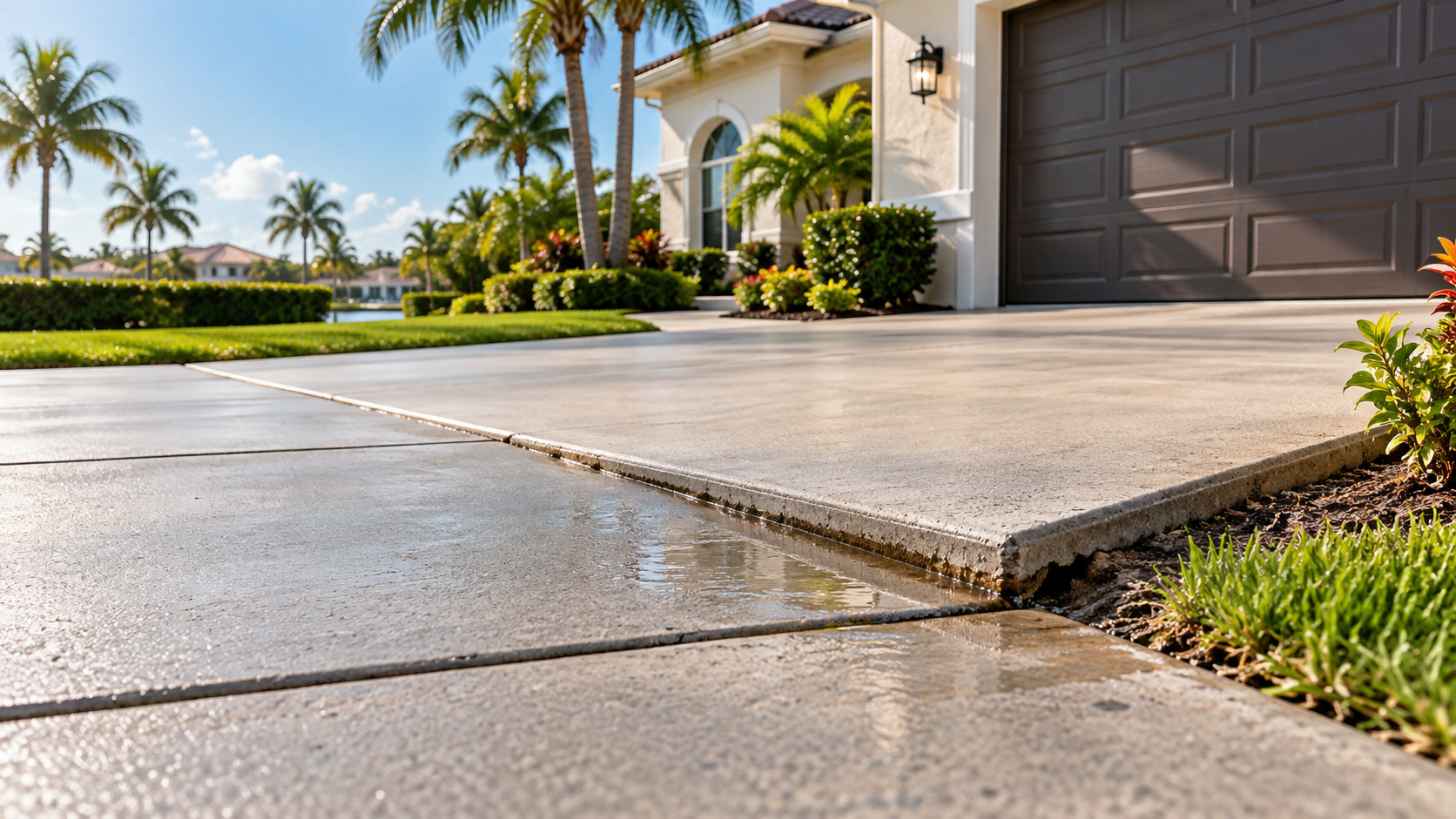
When the repair concern includes a sunken panel, uneven joint, tilted slab, or recurring movement, understanding why the elevation changed can help determine whether surface repair alone is enough or whether support conditions need attention first.
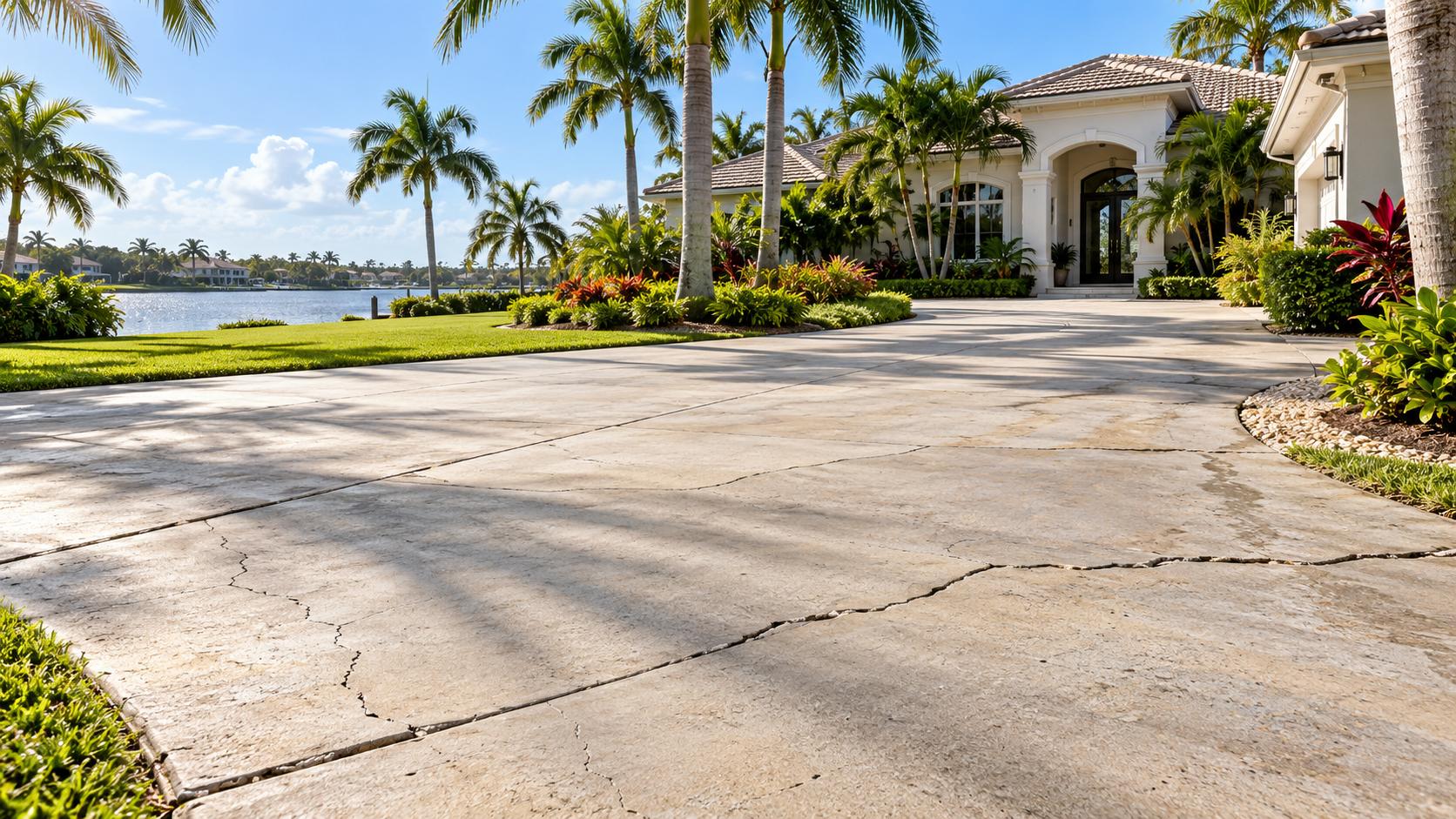
Before repairing cracked concrete, it helps to understand what caused the damage. Learn how settlement, drainage, shrinkage, and movement can affect whether a localized repair is likely to be appropriate or whether the underlying condition should be addressed first.
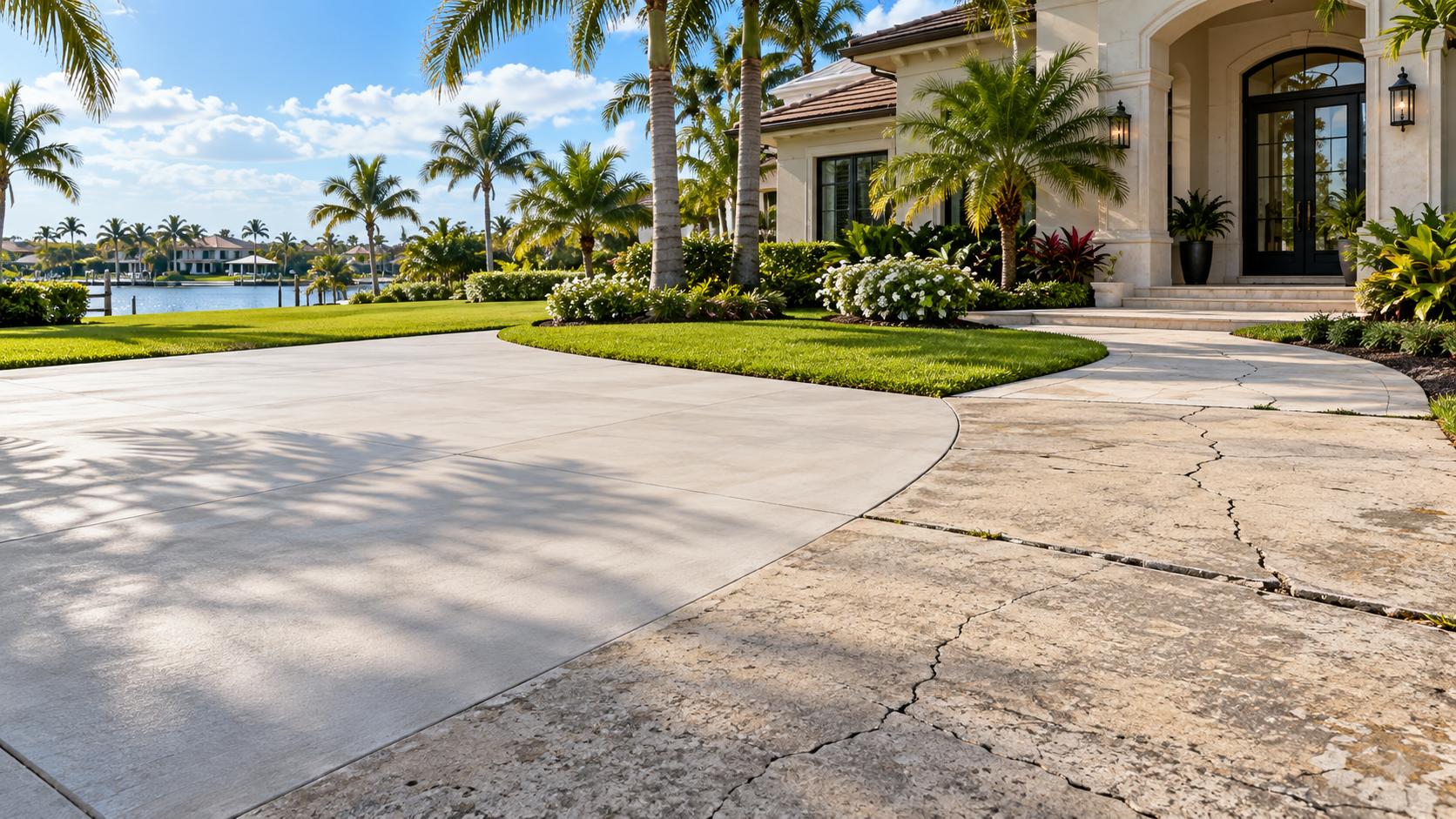
Compare repair, resurfacing, partial replacement, and full replacement when the main question is whether damaged concrete remains suitable for restoration. The guide looks at cracking, settlement, movement, drainage, widespread deterioration, previous repairs, layout changes, and long-term project scope.
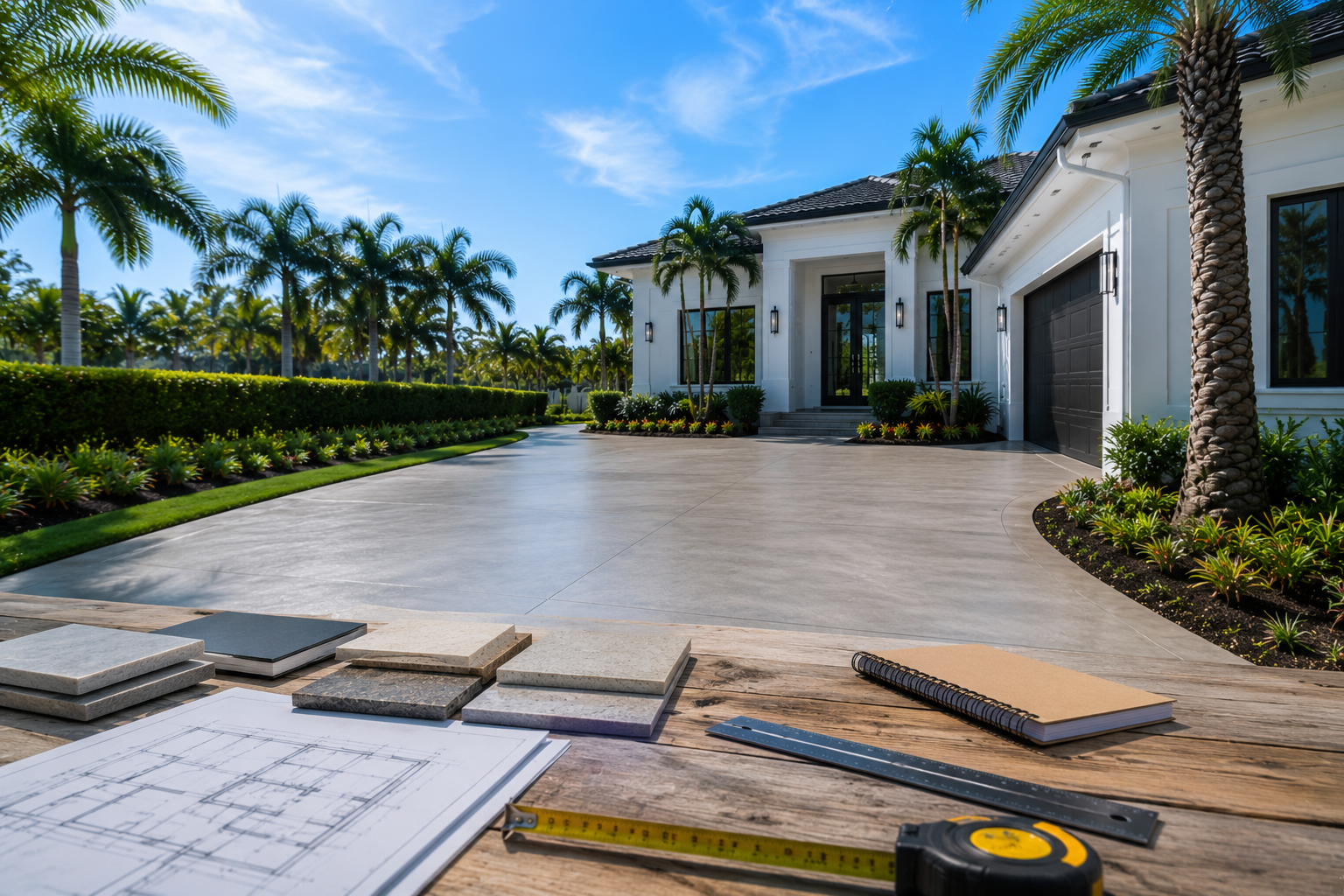
Compare the cost drivers associated with repair, resurfacing, partial replacement, demolition, preparation, drainage correction, access, finish matching, and related work before deciding how far the restoration should go.
Request a Concrete Repair Estimate in Palm Beach
A concrete repair estimate can help clarify the condition of the existing surface, the likely scope of the work, and whether repair, resurfacing, partial replacement, or full replacement should be considered. Cracking, settlement, drainage problems, surface deterioration, previous repairs, and the intended use of the area can all affect which approach is appropriate.
Submit a request to have your project details routed to an independent local concrete contractor or service provider who may contact you about availability, options, and next steps.
Concrete Repair FAQs for Palm Beach Properties
Can cracked concrete be repaired instead of replaced?
Sometimes. Small or localized cracks may be suitable for repair when the surrounding concrete remains stable and structurally appropriate. Extensive cracking, ongoing movement, major settlement, drainage problems, or broad deterioration may make replacement the better long-term choice.
What is the difference between concrete repair and resurfacing?
Concrete repair focuses on addressing specific damaged, worn, chipped, cracked, or uneven areas. Resurfacing generally adds a new finish layer over an existing suitable concrete surface to improve appearance and restore the visible surface.
Can concrete repair improve the appearance of a driveway or patio?
Yes. Depending on the condition of the concrete, repair may improve the look and usability of driveways, patios, walkways, slabs, and other outdoor surfaces. It may also prepare the area for resurfacing, sealing, or decorative finishing.
When is concrete replacement better than repair?
Replacement may be the better option when the concrete has widespread deterioration, repeated movement, major drainage issues, extensive settlement, structural concerns, or when the property owner wants to change the layout, size, or intended use of the surface.
How should repaired concrete be maintained?
Maintenance typically includes keeping the surface clean, managing nearby runoff, maintaining joints, addressing minor wear promptly, and using appropriate sealing or protective care when recommended for the repaired surface and its intended use.
How do drainage problems affect concrete repair decisions?
Drainage problems can have a major impact on concrete repair decisions because standing water, poor runoff, soil movement, erosion, and edge washout can contribute to cracking, settling, staining, or surface deterioration. If the underlying drainage issue is not addressed, a simple surface repair may not provide a long-term solution.
Before deciding between repair, resurfacing, partial replacement, or full replacement, the concrete surface should be reviewed for water flow, slope, movement, base support, and surrounding site conditions. In some cases, improving grading or drainage may be just as important as repairing the visible concrete damage.